 FoodGuardINDIA
This pink lemonade is a caffeine-free twist on the classic soda, though it relies on a trio of artificial sweeteners—aspartame, sucralose, and acesulfame K—to keep the calorie count low.
Worth a closer look 3
Allowed in India, but better eaten less often.
-
Worth limitingAspartame INS 951A common artificial sweetener that must be avoided by people with phenylketonuria (PKU).
-
Worth limitingSucralose INS 955It is an artificial sweetener that provides intense sweetness without calories but may negatively impact gut health and insulin sensitivity.
-
Worth limitingAcesulfame K INS 950It is an artificial sweetener that provides intense sweetness without calories but is highly processed.
The rest check out 12
Tap one to see why.
Carbonated Water
It is simply water infused with carbon dioxide gas to create fizz, which is generally harmless.
Citric Acid
A standard, safe acidity regulator found naturally in citrus fruits.
Malic Acid
A common organic acid found naturally in fruits like apples, used here to provide tartness.
Acidity Regulator Sodium Citrate
It is a common, safe salt used to control acidity and improve texture in processed foods.
Natural Lemon
This is a whole food ingredient that is naturally occurring and safe for consumption.
Lime
It is a whole citrus fruit and a healthy, natural food ingredient.
Raspberry Flavourings With Other Natural Flavourings
These are natural extracts used to mimic raspberry taste, which are generally considered safe but offer no nutritional value.
Antioxidant Ascorbic Acid
It is simply Vitamin C, used here to prevent oxidation and browning.
Preservative Potassium Sorbate
It is a widely used preservative that prevents mold and yeast growth in food.
Gum Arabic
It is a natural plant-based thickener that is generally considered safe for consumption.
Sucrose Acetate Isobutyrate
It is used to adjust the density of oils in beverages so they stay suspended rather than floating to the top.
Colour Lycopene
Lycopene is a natural pigment found in tomatoes and is considered a safe food additive with antioxidant properties.
Higher-scoring options
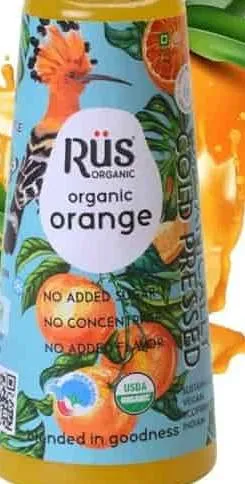
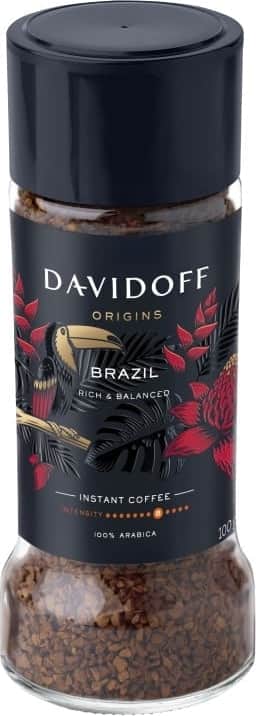
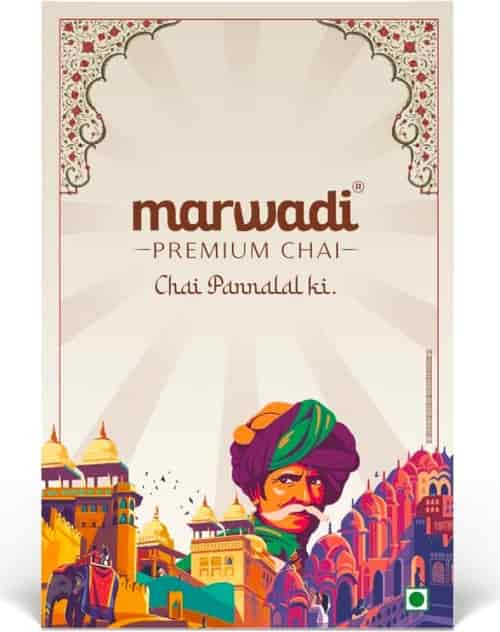
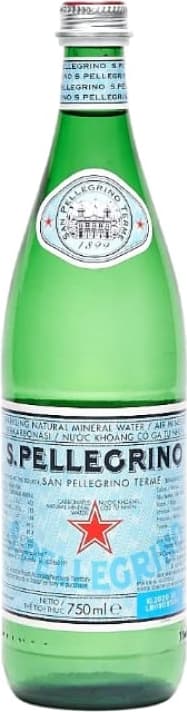
This score rates the ingredient list using our published method and public sources (FSSAI, EFSA, WHO). It is general information, not medical advice, and does not mean the product is unsafe — products sold in India meet FSSAI rules. Recipes change: check the pack in your hand. Brand owner? Write to hello@foodguards.space.