 FoodGuardINDIA
This lemon pickle relies on traditional spices and rice bran oil for its classic taste, though the high salt content and the addition of Class II preservative INS 211 are worth noting.
Worth a closer look 2
Allowed in India, but better eaten less often.
-
Worth limitingSaltExcessive intake is linked to high blood pressure and heart disease, making it a nutritional concern.
-
Worth limitingClass Ii Preservative Ins 211 INS 211While permitted, it is a synthetic preservative that some studies suggest may cause hyperactivity in children and potential reactions in sensitive individuals.
The rest check out 10
Tap one to see why.
Lemon
It is a whole citrus fruit and a healthy, natural food ingredient.
Edible Vegetable Oil - Refined Rice Bran Oil
While generally considered a healthier cooking oil due to its oryzanol content, it is still a highly processed, calorie-dense fat.
Red Chilli Powder
A natural spice that is safe and adds flavor without negative health impacts.
Fenugreek
This is a natural spice and herb used in traditional cooking.
Mustard
This is a whole, natural seed used as a spice, which is safe and healthy.
Asafoetida
It is a natural resin used as a digestive aid and flavor enhancer.
Turmeric Powder
This is a natural spice known for its anti-inflammatory properties.
Acidity Regulators - (INS 330)
This is a natural acid found in citrus fruits and is completely safe.
Acidity Regulators - (INS 260)
This is simply vinegar, which is completely safe for consumption.
Curry Leaves
This is a whole, natural herb used for flavoring, which is completely safe and nutritious.
Higher-scoring options
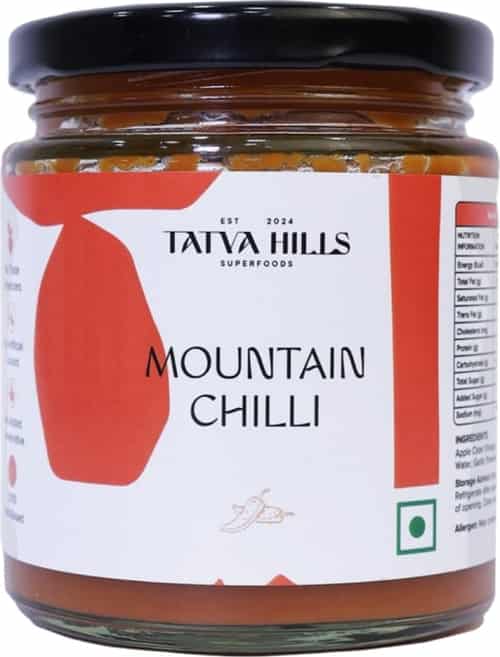

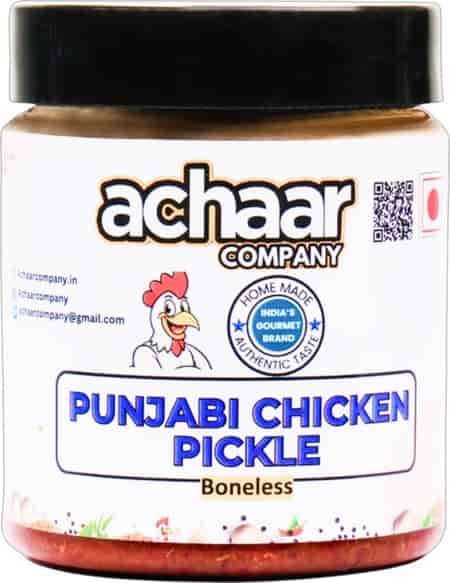
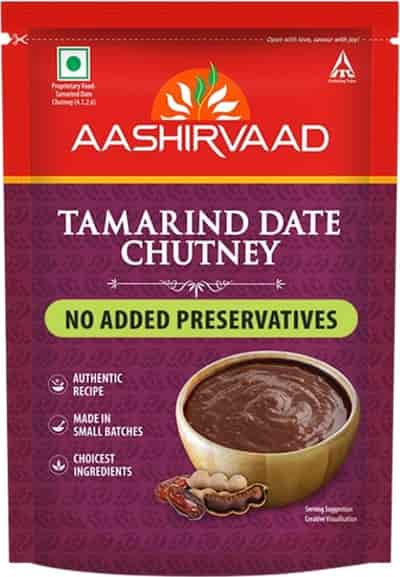
This score rates the ingredient list using our published method and public sources (FSSAI, EFSA, WHO). It is general information, not medical advice, and does not mean the product is unsafe — products sold in India meet FSSAI rules. Recipes change: check the pack in your hand. Brand owner? Write to hello@foodguards.space.