 FoodGuardINDIA
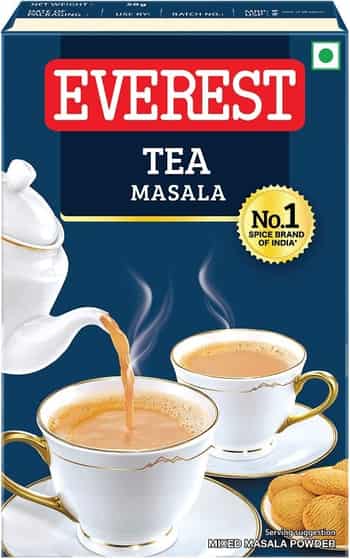
This blend relies on a solid foundation of authentic Indian spices like cumin, coriander, and dried mango powder. While it does contain a small amount of added sugar, the impact is negligible given how sparingly this is used.
Worth a closer look 1
Allowed in India, but better eaten less often.
-
Worth limitingSugarExcessive consumption is linked to metabolic health issues.
The rest check out 17
Tap one to see why.
Dried Mango Powder
This is a natural, whole-food spice used for flavoring.
Cumin
This is a whole, natural spice with beneficial properties.
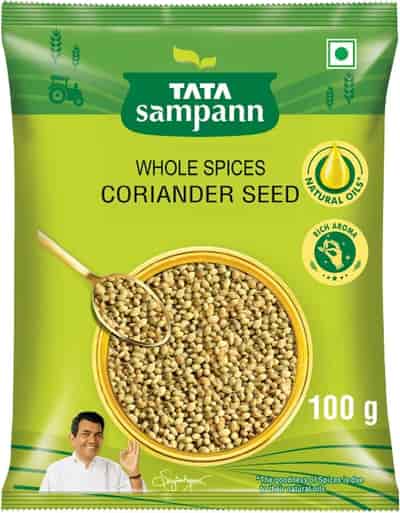
Coriander
This is a whole, natural spice with no negative health impact.
Pomegranate Seeds
This is a whole fruit component rich in fiber and antioxidants, making it a healthy ingredient.
Dried Mint
This is a natural, whole herb that adds flavor without adding harmful chemicals or refined sugars.
Ginger
It is a natural root used for flavor and digestive health.
Black Pepper
A natural, healthy spice with antioxidant properties.
Ajowan
This is a whole, natural spice.
Compounded Asafoetida
It is a traditional Indian spice blend, though it contains added fillers like starch or gum to make it usable.
Nutmeg
This is a natural, whole-food spice used in small quantities.
Clove
This is a whole, natural spice.
Spice Extracts
These are concentrated natural flavors derived from spices, generally considered safe.
Iodized Salt
Essential for preventing iodine deficiency, though total sodium intake should be monitored.
Black Salt
It is a traditional mineral salt, though it should be consumed in moderation due to sodium content.
Dehydrated Kachri
This is a traditional, sun-dried wild melon used as a spice and tenderizer in Indian cuisine, which is safe for consumption.
Dehydrated Tamarind
This is a natural, whole food ingredient derived from the tamarind fruit, commonly used for its tangy flavor.
Dehydrated Yellow Chilli
This is a standard dried vegetable spice used for flavor and heat, which is safe for consumption.
Higher-scoring options
This score rates the ingredient list using our published method and public sources (FSSAI, EFSA, WHO). It is general information, not medical advice, and does not mean the product is unsafe — products sold in India meet FSSAI rules. Recipes change: check the pack in your hand. Brand owner? Write to hello@foodguards.space.