 FoodGuardINDIA
Not the healthiest option on the shelf, but not the worst either — Sugar, Stabilisers (INS 407), Colours (INS 122) are doing a lot of the work here instead of real ingredients.
Worth a closer look 4
Allowed in India, but better eaten less often.
-
Worth limitingSugarExcessive consumption is linked to metabolic health issues.
-
Worth limitingStabilisers (INS 407) INS 407It is a seaweed extract that can cause digestive inflammation in some people.
-
Worth limitingColours (INS 122) INS 122This synthetic red dye is linked to allergic reactions and hyperactivity in children.
-
Worth limitingColours (INS 133) INS 133This synthetic blue dye is generally considered safe but may cause allergic reactions in sensitive people.
The rest check out 10
Tap one to see why.
Milk Solids
A standard dairy-derived ingredient.
Cashew Pieces
Cashews are a whole, nutrient-dense food rich in healthy fats and minerals.
Liquid Glucose
It is a highly processed sweetener that causes rapid spikes in blood glucose levels.
Ghee
Ghee is a traditional, nutrient-dense fat source, though it is high in saturated fats and should be consumed in moderation.
Emulsifier (INS 471)
These are common fats found in many foods and are harmless.
Stabilisers (INS 466)
It is a safe, indigestible plant-based fiber.
Stabilisers (INS 415)
It is a natural gum produced by fermenting sugar, commonly used to thicken food.
Stabilisers (INS 412)
It is a natural fiber derived from the guar bean, used to thicken food.
Artificial Flavouring Substances
These are synthetic chemicals not found in nature, used to enhance taste in processed foods.
Colours (INS 100)
This is a natural pigment derived from turmeric and is considered very safe.
Higher-scoring options
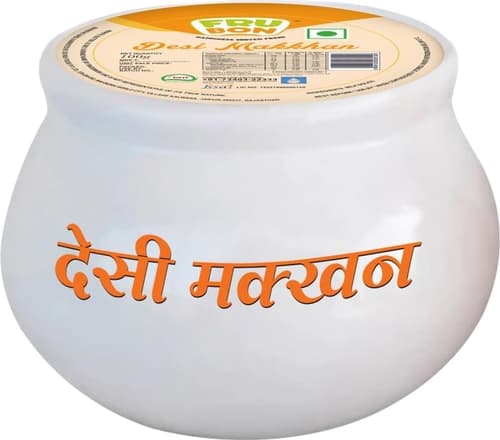
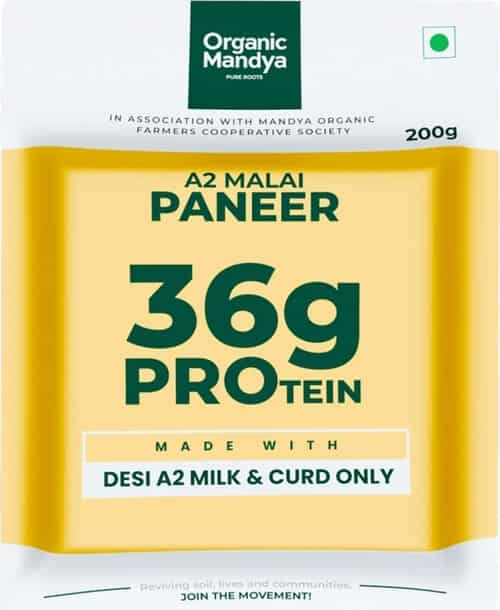
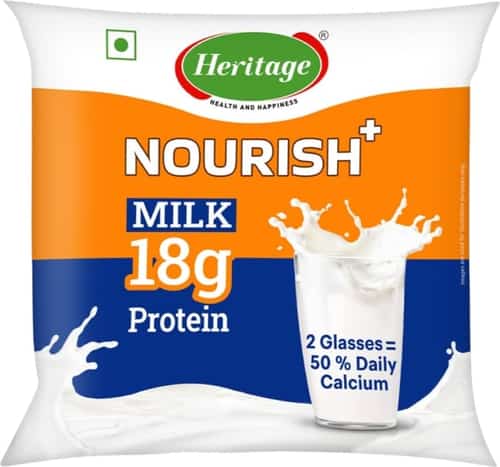
This score rates the ingredient list using our published method and public sources (FSSAI, EFSA, WHO). It is general information, not medical advice, and does not mean the product is unsafe — products sold in India meet FSSAI rules. Recipes change: check the pack in your hand. Brand owner? Write to hello@foodguards.space.