 FoodGuardINDIA
This one leans heavily processed — Stabilizers (INS 407), Colours (INS 150d), Colours (INS 110) are doing a lot of the work here instead of real ingredients.
Worth a closer look 7
Allowed in India, but better eaten less often.
-
Worth limitingStabilizers (INS 407) INS 407It is a seaweed extract that can cause digestive inflammation in some people.
-
Worth limitingColours (INS 150d) INS 150dThis caramel color is produced using ammonia and sulfites, which can form potentially harmful byproducts.
-
Worth limitingColours (INS 110) INS 110This synthetic orange dye is associated with allergic reactions and potential hyperactivity in children.
-
Worth limitingColours (INS 122) INS 122This synthetic red dye is linked to allergic reactions and hyperactivity in children.
-
Worth limitingColours (INS 102) INS 102This synthetic yellow dye is linked to hyperactivity in children and allergic reactions.
-
Worth limitingColours (INS 133) INS 133This synthetic blue dye is generally considered safe but may cause allergic reactions in sensitive people.
-
Worth limitingColours (INS 143) INS 143This synthetic green dye is banned in the EU due to concerns over potential carcinogenicity.
The rest check out 14
Tap one to see why.
Milk Solids
A standard dairy-derived ingredient.
Fructo-oligosaccharide
It is a type of dietary fiber often used as a prebiotic to support gut health.
Polydextrose
Polydextrose is a synthetic polymer used as a bulking agent and fiber source.
Enzyme Beta-galactosidase
This is a naturally occurring enzyme used to break down lactose into simpler sugars, making dairy products easier to digest.
Emulsifiers (INS 471)
These are common fats found in many foods and are harmless.
Emulsifiers (INS 491)
It is a standard food additive used to mix oil and water, considered safe for consumption within established limits.
Stabilizers (INS 410)
It is a natural gum derived from the seeds of the carob tree.
Stabilizers (INS 412)
It is a natural fiber derived from the guar bean, used to thicken food.
Stabilizers (INS 415)
It is a natural gum produced by fermenting sugar, commonly used to thicken food.
Acidity Regulator (INS 330)
This is a natural acid found in citrus fruits and is completely safe.
Natural and Artificial Flavouring Substances
These are synthetic chemicals not found in nature, used to enhance taste in processed foods.
Sweetener (INS 960)
This is a natural sweetener derived from the stevia plant and is considered a safer alternative to artificial sweeteners.
Lactobacillus Acidophilus
This is a well-studied probiotic bacteria known for supporting digestive health.
Bifidobacterium Animalis Minimum 107 Cfu Per Ml
This is a beneficial probiotic bacterium commonly added to fermented foods to support gut health.
Higher-scoring options
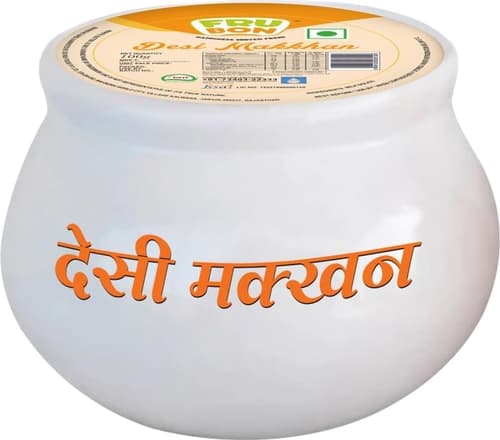
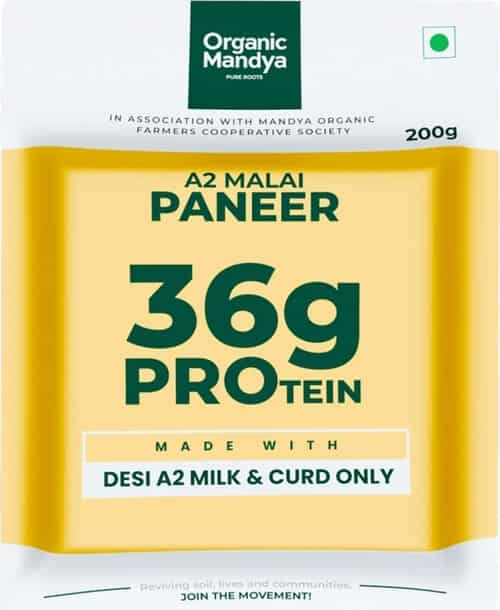
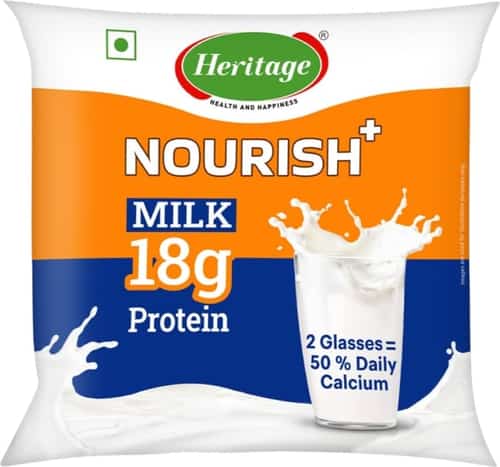
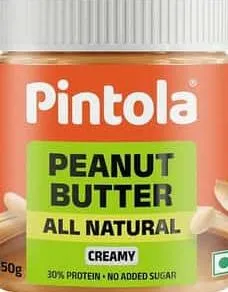
This score rates the ingredient list using our published method and public sources (FSSAI, EFSA, WHO). It is general information, not medical advice, and does not mean the product is unsafe — products sold in India meet FSSAI rules. Recipes change: check the pack in your hand. Brand owner? Write to hello@foodguards.space.