 FoodGuardINDIA
This sparkling apple-flavoured drink relies heavily on added sugar for its sweetness and gets its distinct colour from caramel (INS 150d). It also includes a preservative, sodium benzoate, which is common in many shelf-stable beverages.
Worth a closer look 3
Allowed in India, but better eaten less often.
-
Worth limitingSugarExcessive consumption is linked to metabolic health issues.
-
Worth limitingFood Colour (INS 150d) INS 150dThis caramel color is produced using ammonia and sulfites, which can form potentially harmful byproducts.
-
Worth limitingPreservative (INS 211) INS 211While permitted, it is a synthetic preservative that can form benzene, a known carcinogen, when combined with vitamin C in acidic conditions.
The rest check out 8
Tap one to see why.
Water
Water is essential for life and has no negative nutritional impact.
Carbonating Agent (INS 290)
This is the gas that gives carbonated drinks their fizz and is naturally present in the air we breathe.
Acidity Regulators (INS 296)
It is a naturally occurring acid found in many fruits, especially apples, and is safe to consume.
Acidity Regulators (INS 331(iii))
This is a common salt of citric acid used to regulate acidity and is safe.
Acidity Regulators (INS 330)
This is a natural acid found in citrus fruits and is completely safe.
Stabilizer (INS 440)
It is a natural fiber found in fruits and is completely harmless.
Antioxidant (INS 300)
This is Vitamin C, which is essential for health and completely safe.
Nature Identical Flavouring Substances
These are chemically synthesized to be identical to natural flavors, which is generally safe but indicates a processed product.
Higher-scoring options
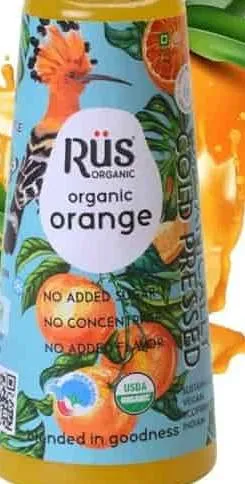
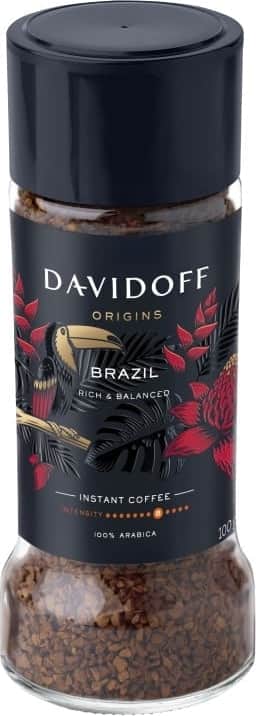
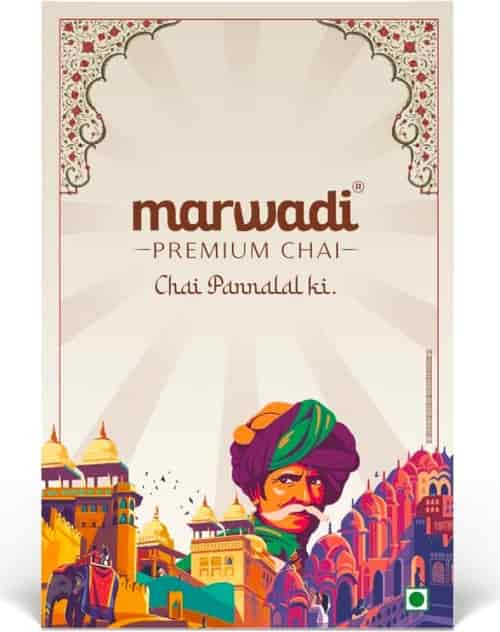
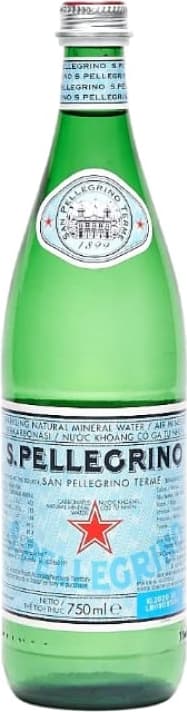
This score rates the ingredient list using our published method and public sources (FSSAI, EFSA, WHO). It is general information, not medical advice, and does not mean the product is unsafe — products sold in India meet FSSAI rules. Recipes change: check the pack in your hand. Brand owner? Write to hello@foodguards.space.