 FoodGuardINDIA
This ice cream stick is heavily processed, relying on palm oils, refined wheat flour, and a long list of stabilizers for texture. It is a sugary treat that uses additives instead of simple dairy.
Worth a closer look 6
Allowed in India, but better eaten less often.
-
Worth limitingSugarExcessive consumption is linked to metabolic health issues.
-
Worth limitingStabilizer (INS 407) INS 407It is a seaweed extract that can cause digestive inflammation in some people.
-
Worth limitingPalm Kernel OilIt is high in saturated fats, which can negatively impact cardiovascular health when consumed in excess.
-
Worth limitingPalm OilIt is high in saturated fats which can negatively impact heart health when consumed in excess.
-
Worth limitingRefined Wheat Flour MaidaThis is a highly processed flour stripped of fiber and nutrients, leading to rapid blood sugar spikes.
-
Worth limitingAcidity Regulators (INS 450(i)) INS 450(i)High intake of phosphates can interfere with calcium absorption and bone health.
The rest check out 27
Tap one to see why.
Ice Cream Portion : Milk Solids Cow Milk
Milk solids are a concentrated form of milk nutrients, generally safe but often used to bulk up processed foods.
Water
Water is essential for life and has no negative nutritional impact.
Liquid Glucose
It is a highly processed sweetener that causes rapid spikes in blood glucose levels.
Cocoa Solids
This is a natural component of the cocoa bean and is generally considered a healthy, antioxidant-rich ingredient.
Modified Starch (INS 1422)
This is a modified food starch that is generally considered safe for consumption.
Humectant (INS 422)
It is a simple compound used to keep food moist and smooth.
Thickener (INS 440)
It is a natural fiber found in fruits and is completely harmless.
Preservative (INS 202)
This is a widely used preservative that prevents mold and yeast growth, generally considered safe.
Iodised Salt
Essential for preventing iodine deficiency disorders.
Artificial Flavouring Substances
These are synthetic chemicals not found in nature, used to enhance taste in processed foods.
Emulsifier
This is a broad category term; while generally safe, it often indicates a highly processed food product.
Stabilizer (INS 471)
These are common fats found in many foods and are harmless.
Stabilizer (INS 466)
It is a safe, indigestible plant-based fiber.
Stabilizer (INS 452)
While generally recognized as safe in regulated amounts, excessive intake of phosphates can interfere with calcium absorption and bone health.
Stabilizer (INS 412)
It is a natural fiber derived from the guar bean, used to thicken food.
Emulsifier (INS 322)
It is a widely used, generally safe emulsifier derived from natural sources like soy or sunflower that helps mix oil and water.
Natural Flavouring Substances
Similar to natural flavours, these are derived from natural sources and are generally safe.
Milk Solids Cow Milk
This is a concentrated form of milk, generally safe but highly processed compared to fresh milk.
Malt Barley
It is a natural, whole-grain ingredient often used for flavor and texture, though it contains gluten.
Emulsifiers (INS 442)
It is a generally recognized safe emulsifier used to improve the texture of chocolate and confectionery products.
Emulsifiers (INS 476)
It is a widely used emulsifier derived from castor oil that helps ingredients like cocoa butter mix smoothly.
Emulsifiers (INS 322(i))
This is a naturally occurring substance found in many foods and is considered safe.
Ethyl Vanillin
A synthetic flavoring agent that is much stronger than natural vanillin, used to provide a potent vanilla taste at a lower cost.
Chocolate
Chocolate is a whole food ingredient, though often paired with high sugar content.
Nature Identical Flavouring Substances
These are chemically synthesized to be identical to natural flavors, which is generally safe but indicates a processed product.
Milk Solids From Cow Milk
This is a concentrated form of milk with water removed, generally safe but highly processed.
Acidity Regulators (INS 500(ii))
This is standard baking soda, used to help dough rise.
Read more
Higher-scoring options
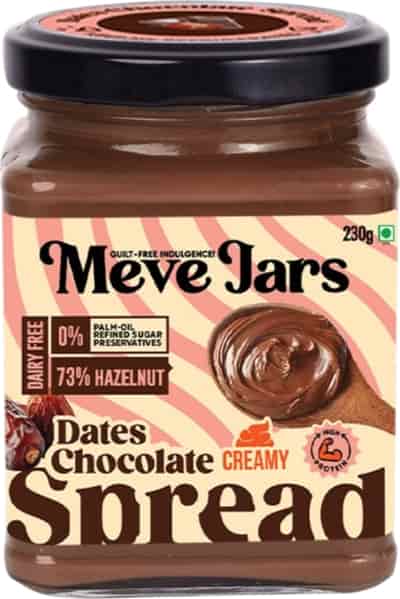
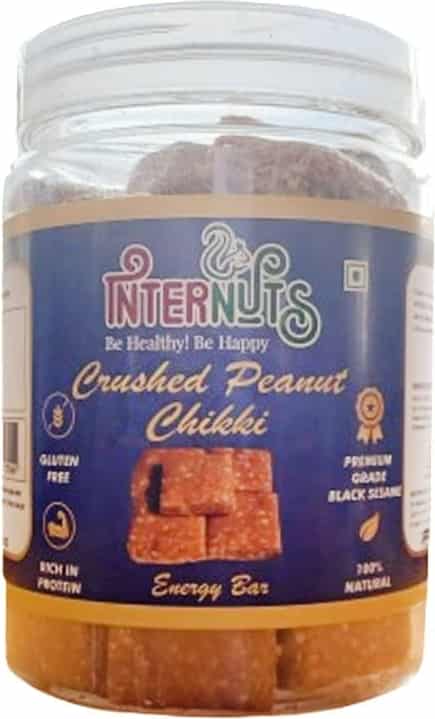
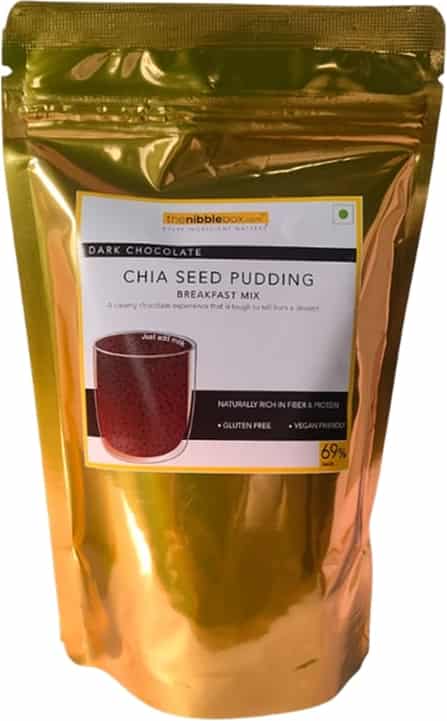

This score rates the ingredient list using our published method and public sources (FSSAI, EFSA, WHO). It is general information, not medical advice, and does not mean the product is unsafe — products sold in India meet FSSAI rules. Recipes change: check the pack in your hand. Brand owner? Write to hello@foodguards.space.