 FoodGuardINDIA
This cracker relies heavily on refined flour (maida) and a blend of palm and hydrogenated oils, making it a highly processed option. It lacks the wholesome ingredients one might hope for in a daily snack.
Worth a closer look 8
Allowed in India, but better eaten less often.
-
Worth limitingRefined Wheat Flour MaidaThis is a highly processed flour stripped of fiber and nutrients, leading to rapid blood sugar spikes.
-
Worth limitingPalmIt is high in saturated fats and is a heavily processed, nutritionally poor fat source.
-
Worth limitingPalmoleinIt is a highly refined oil high in saturated fats, which is nutritionally inferior to healthier unsaturated oils.
-
Worth limitingHydrogenated Vegetable OilsThese oils are processed to be solid at room temperature and often contain trans fats, which are linked to heart disease.
-
Worth limitingSaltExcessive intake is linked to high blood pressure and heart disease, making it a nutritional concern.
-
Worth limitingEmulsifiers (INS 450(i)) INS 450(i)High intake of phosphates can interfere with calcium absorption and bone health.
-
Worth limitingDough Conditioner (INS 223) INS 223Like other sulfites, it is a significant allergen that can cause respiratory issues in sensitive consumers.
-
Worth limitingAntioxidants (INS 319) INS 319There is ongoing debate regarding its safety at high doses, with some studies suggesting potential long-term health risks.
The rest check out 12
Tap one to see why.
Yeast
This is a natural, harmless microorganism used for fermentation and leavening.
Liquid Glucose
It is a highly processed sweetener that causes rapid spikes in blood glucose levels.
Invert Syrup
It is a concentrated sugar source that provides empty calories without nutritional value.
Malt Extract
It is a concentrated source of sugar derived from barley, which can spike blood glucose levels similarly to refined sugar.
Milk Solids
A standard dairy-derived ingredient.
Edible Starch Corn
It is a common thickening agent used to improve texture, though it provides little nutritional value beyond simple carbohydrates.
Raising Agents (INS 500(ii))
This is standard baking soda, used to help dough rise.
Raising Agents (INS 503(ii))
Commonly used food additive with a long history of safe use.
Dispersing Agent (INS 1520)
While generally safe, it is a synthetic solvent that some people prefer to avoid in large quantities.
Flour Treatment Agent (INS 1100)
These are natural enzymes used to break down starches and are generally harmless.
Antioxidants (INS 330)
This is a natural acid found in citrus fruits and is completely safe.
Artificial Flavouring Substances
These are synthetic chemicals not found in nature, used to enhance taste in processed foods.
Read more
Higher-scoring options
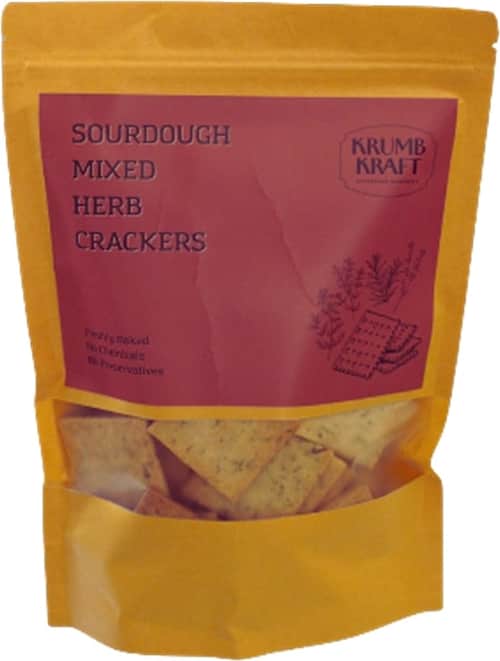
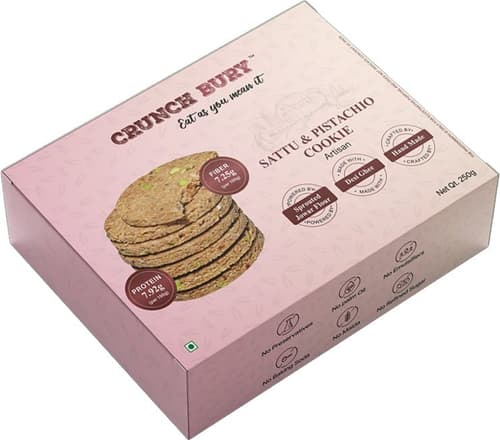
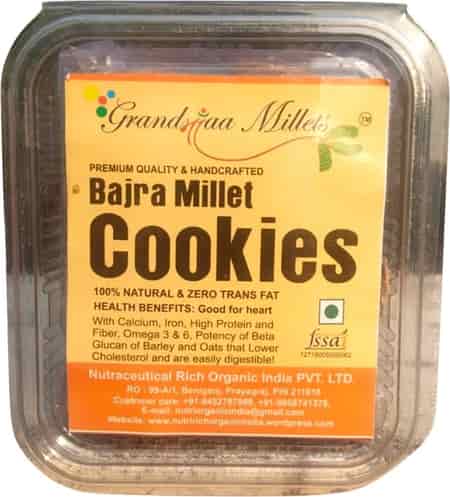
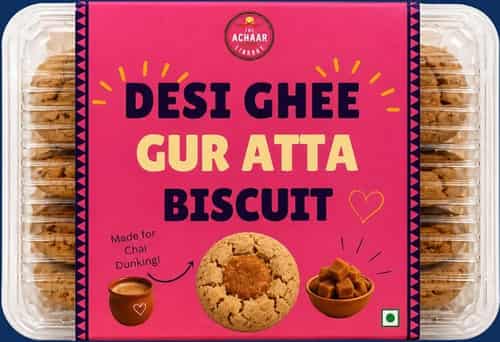
This score rates the ingredient list using our published method and public sources (FSSAI, EFSA, WHO). It is general information, not medical advice, and does not mean the product is unsafe — products sold in India meet FSSAI rules. Recipes change: check the pack in your hand. Brand owner? Write to hello@foodguards.space.