 FoodGuardINDIA
These spicy biscuits are a mix of refined wheat flour and palm oil, loaded with additives like artificial color (INS 102) and preservatives like INS 223. Treat these as an occasional processed snack.
Worth a closer look 8
Allowed in India, but better eaten less often.
-
Worth limitingRefined Wheat Flour MaidaThis is a highly processed flour stripped of fiber and nutrients, leading to rapid blood sugar spikes.
-
Worth limitingSugarExcessive consumption is linked to metabolic health issues.
-
Worth limitingPalmIt is high in saturated fats and is a heavily processed, nutritionally poor fat source.
-
Worth limitingPalmoleinIt is a highly refined oil high in saturated fats, which is nutritionally inferior to healthier unsaturated oils.
-
Worth limitingSaltExcessive intake is linked to high blood pressure and heart disease, making it a nutritional concern.
-
Worth limitingDough Conditioner (INS 223) INS 223Like other sulfites, it is a significant allergen that can cause respiratory issues in sensitive consumers.
-
Worth limitingAntioxidant (319) Contains Added Food Colour (INS 102) INS 102This synthetic yellow dye is linked to hyperactivity in children and allergic reactions.
-
Worth limitingSoy Hypersensitive IngredientsWhile soy is a nutritious protein source, it is a major allergen that must be clearly labeled for safety.
The rest check out 14
Tap one to see why.
Milk Solids
A standard dairy-derived ingredient.
Edible Starch Corn
It is a common thickening agent used to improve texture, though it provides little nutritional value beyond simple carbohydrates.
Cumin Black Kalonji
This is a natural, whole spice known for its traditional culinary and medicinal uses.
Coriander Dhania
This is a natural, whole spice that adds flavor without negative health impacts.
Chilli Powder Lal Mirchi
This is a natural, whole spice used for heat and flavor.
Dried Mango Powder
This is a natural, whole-food spice used for flavoring.
Acidity Regulator (INS 330)
This is a natural acid found in citrus fruits and is completely safe.
Raising Agents (INS 500)
These are common food-grade minerals used to control acidity and texture, considered safe.
Raising Agents (INS 503)
This is a standard leavening agent used to make baked goods rise.
Emulsifiers (INS 322)
It is a widely used, generally safe emulsifier derived from natural sources like soy or sunflower that helps mix oil and water.
Emulsifiers (INS 414)
It is a natural sap from the acacia tree used to stabilize food textures.
Dispersing Agent (INS 1520)
While generally safe, it is a synthetic solvent that some people prefer to avoid in large quantities.
Anticaking Agent (INS 551)
It is a common mineral used to keep powders flowing freely and is not absorbed by the body.
Milk
Milk is a natural, nutrient-dense whole food providing protein and calcium.
Read more
Higher-scoring options
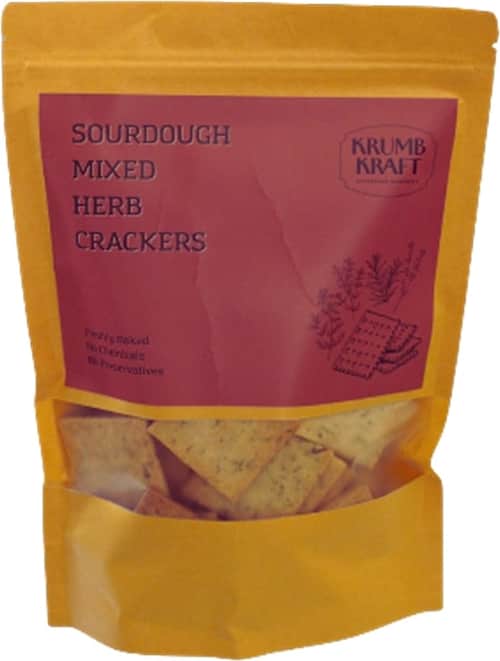
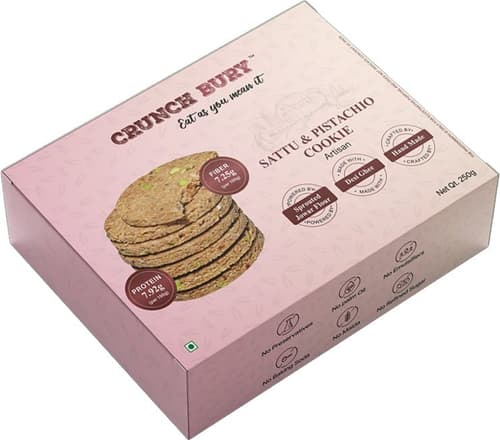
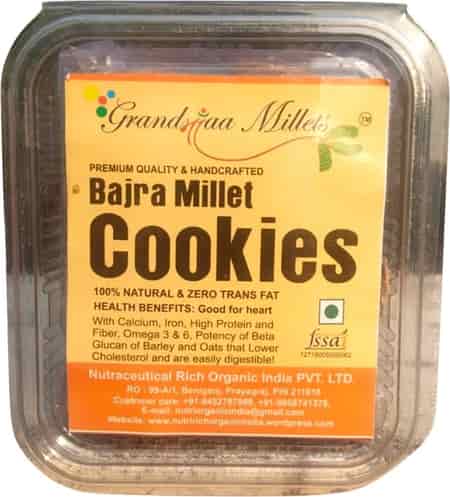

This score rates the ingredient list using our published method and public sources (FSSAI, EFSA, WHO). It is general information, not medical advice, and does not mean the product is unsafe — products sold in India meet FSSAI rules. Recipes change: check the pack in your hand. Brand owner? Write to hello@foodguards.space.