 FoodGuardINDIA
These crisps are a highly processed snack loaded with refined flour, palm oil, and several additives like flavour enhancers and artificial colours to achieve their specific texture and taste.
Worth a closer look 10
Allowed in India, but better eaten less often.
-
Worth limitingRefined Wheat Flour MaidaThis is a highly processed flour stripped of fiber and nutrients, leading to rapid blood sugar spikes.
-
Worth limitingRefined Palmolein & Palm OilThis is a highly processed, saturated fat that lacks essential nutrients and is often linked to cardiovascular health issues when consumed in excess.
-
Worth limitingSugarExcessive consumption is linked to metabolic health issues.
-
Worth limitingInvert Sugar SyrupIt is a processed sweetener with similar metabolic impacts to sugar.
-
Worth limitingMaltodextrin INS 1400It is a highly processed carbohydrate that spikes blood sugar levels rapidly, similar to table sugar.
-
Worth limitingFlavour Enhancers (INS 627) INS 627It is often used with MSG to boost savory flavor; people with gout should avoid it.
-
Worth limitingFlavour Enhancers (INS 631) INS 631Like other nucleotides, it can increase uric acid levels and should be avoided by those with gout.
-
Worth limitingDough Conditioner (INS 223) INS 223Like other sulfites, it is a significant allergen that can cause respiratory issues in sensitive consumers.
-
Worth limitingColour (INS 110) INS 110This synthetic orange dye is associated with allergic reactions and potential hyperactivity in children.
-
Worth limitingSulphites INS 220Sulphites are effective preservatives but can trigger severe allergic reactions or asthma attacks in sensitive individuals.
The rest check out 25
Tap one to see why.
Dehydrated Potato Flakes
While safe to eat, this is a highly processed form of potato that lacks the fiber and nutrient density of whole potatoes.
Iodised Salt
Essential for preventing iodine deficiency disorders.
Spices
Spices are natural plant-based ingredients that add flavor without significant health risks.
Onion
This is a whole, natural vegetable that provides essential nutrients and fiber.
Garlic
This is a whole vegetable used as a natural flavoring agent.
Red Chilli
It is a natural spice that adds heat and flavor.
Coriander
This is a whole, natural spice with no negative health impact.
Cumin
This is a whole, natural spice with beneficial properties.
Raising Agents (INS 503(ii))
Commonly used food additive with a long history of safe use.
Raising Agents (INS 500(ii))
This is standard baking soda, used to help dough rise.
Liquid Glucose
It is a highly processed sweetener that causes rapid spikes in blood glucose levels.
Milk Solids
A standard dairy-derived ingredient.
Rice Flour
While generally safe, it is a refined carbohydrate that lacks the fiber and nutrients of whole grains.
Vital Gluten
It is a concentrated protein extracted from wheat, generally safe but problematic for those with gluten sensitivity.
Natural and Nature Identical Flavouring Substances
These are standard industry additives used to enhance taste, generally recognized as safe by food authorities.
Emulsifiers (INS 322(i))
This is a naturally occurring substance found in many foods and is considered safe.
Emulsifiers (INS 471)
These are common fats found in many foods and are harmless.
Dry Mango Powder
A natural, whole-food spice used for flavoring.
Acidity Regulators (INS 330)
This is a natural acid found in citrus fruits and is completely safe.
Acidity Regulators (INS 334)
This is a naturally occurring acid found in grapes and is safe.
Anticaking Agent (INS 551)
It is a common mineral used to keep powders flowing freely and is not absorbed by the body.
Improver (INS 1101(i))
This is a natural enzyme used to break down proteins and is safe.
Stabilizer (INS 1450)
This is a modified food starch used to help mix oil and water, generally considered safe.
Milk
Milk is a natural, nutrient-dense whole food providing protein and calcium.
Soy
Soy is a plant-based protein source, generally healthy but a common allergen.
Read more
Palm oil: what it is and what the research says · Maltodextrin: what it is and what the research says
Higher-scoring options
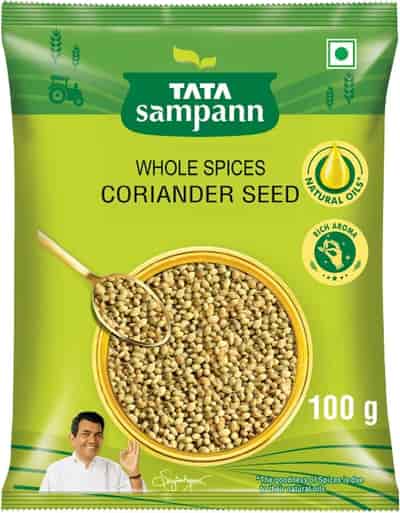
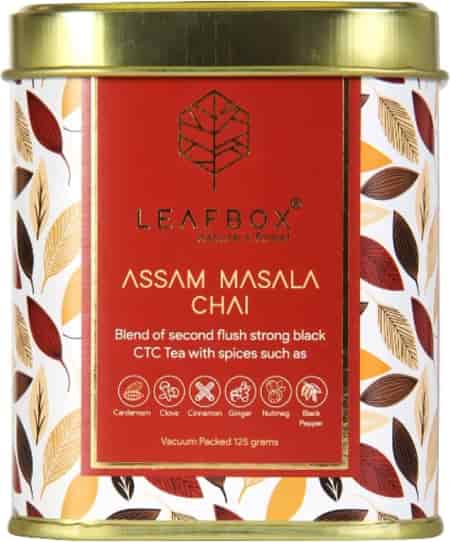
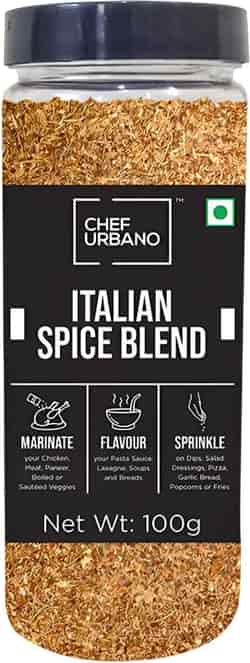
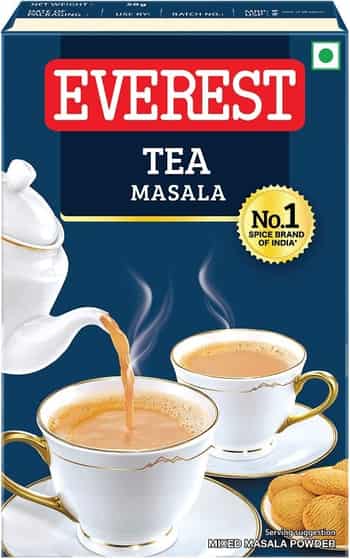
This score rates the ingredient list using our published method and public sources (FSSAI, EFSA, WHO). It is general information, not medical advice, and does not mean the product is unsafe — products sold in India meet FSSAI rules. Recipes change: check the pack in your hand. Brand owner? Write to hello@foodguards.space.