 FoodGuardINDIA
This cake relies heavily on a mix of maida, sugar, and multiple fats like vanaspati and interesterified vegetable fat rather than wholesome ingredients. It’s a highly processed treat that offers little nutritional value.
Worth a closer look 6
Allowed in India, but better eaten less often.
-
Worth limitingRefined Wheat Flour MaidaThis is a highly processed flour stripped of fiber and nutrients, leading to rapid blood sugar spikes.
-
Worth limitingSugarExcessive consumption is linked to metabolic health issues.
-
Worth limitingVanaspatiVanaspati is a highly processed hydrogenated fat often containing trans fats, which are linked to heart disease.
-
Worth limitingInteresterified Vegetable FatThis is a highly processed fat often used as a substitute for trans-fat-heavy partially hydrogenated oils, but it remains a refined, calorie-dense ingredient with limited nutritional value.
-
Worth limitingRefined Palmolein OilIt is a highly processed oil that is often high in saturated fats and lacks the nutritional benefits of cold-pressed oils.
-
Worth limitingInvert Sugar SyrupIt is a processed sweetener with similar metabolic impacts to sugar.
The rest check out 26
Tap one to see why.
Egg
Eggs are a whole, nutrient-dense food providing high-quality protein and essential vitamins.
Humectant (INS 422)
It is a simple compound used to keep food moist and smooth.
Liquid Glucose
It is a highly processed sweetener that causes rapid spikes in blood glucose levels.
Dextrose
This is a simple sugar that causes rapid spikes in blood glucose levels.
High Maltose Syrup
It is a concentrated sweetener that lacks the fiber and nutrients of whole foods, contributing to empty calories.
Fructooligosaccharides
It is a type of prebiotic fiber that is generally considered beneficial for gut health.
Butter
While a natural food, it is high in saturated fat and should be consumed in moderation.
Emulsifiers (INS 471)
These are common fats found in many foods and are harmless.
Emulsifiers (INS 477)
This is a standard food-grade emulsifier used to stabilize fats and oils in processed foods.
Emulsifiers (INS 470(ii))
These are derived from common fats and are harmless.
Humectants (INS 1520)
While generally safe, it is a synthetic solvent that some people prefer to avoid in large quantities.
Edible Maize Starch
It is a common thickener used to improve texture, though it provides empty calories.
Wheat Starch
It is a refined carbohydrate extracted from wheat that provides texture but lacks the fiber and nutrients of whole wheat.
Raising Agents (INS 341(i))
This is a common leavening agent and acidity regulator that is safe.
Raising Agents (INS 500(ii))
This is standard baking soda, used to help dough rise.
Raising Agents (INS 450(vii))
It is a standard leavening agent used in baking that is considered safe for consumption.
Raising Agents (INS 450(ii))
It is a common food additive used to control acidity and leaven dough, safe within regulated limits.
Artificial Vanilla
It is a synthetic flavoring agent that mimics the taste of natural vanilla but lacks the complex nutritional profile of the real bean.
Nature Identical Flavouring Substances
These are chemically synthesized to be identical to natural flavors, which is generally safe but indicates a processed product.
Iodised Salt
Essential for preventing iodine deficiency disorders.
Preservatives (INS 202)
This is a widely used preservative that prevents mold and yeast growth, generally considered safe.
Preservatives (INS 282)
A common preservative used to prevent mold growth in baked goods.
Acidity Regulator (INS 330)
This is a natural acid found in citrus fruits and is completely safe.
Baking Powder
It is a standard leavening agent used in baking that is considered safe for consumption.
Emulsifier (INS 475)
These are safe derivatives of common fats.
Stabilizer (INS 415)
It is a natural gum produced by fermenting sugar, commonly used to thicken food.
Read more
Higher-scoring options
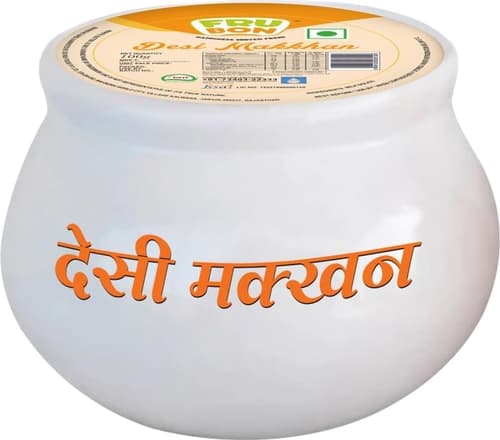
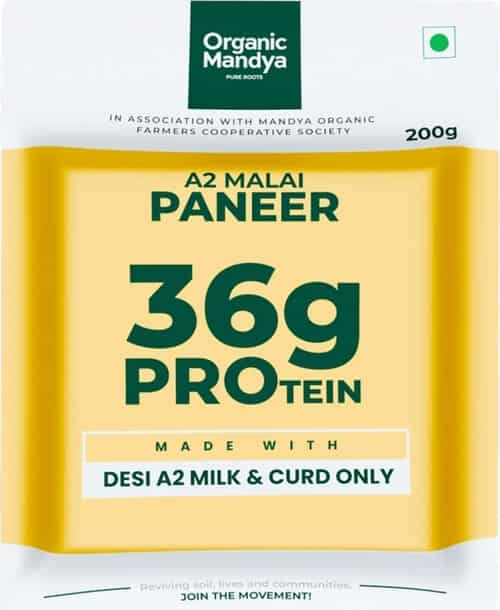
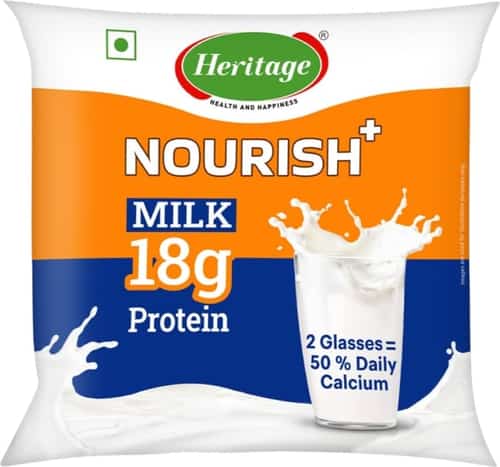
This score rates the ingredient list using our published method and public sources (FSSAI, EFSA, WHO). It is general information, not medical advice, and does not mean the product is unsafe — products sold in India meet FSSAI rules. Recipes change: check the pack in your hand. Brand owner? Write to hello@foodguards.space.