 FoodGuardINDIA
This cheese spread is a straightforward, creamy option that relies on milk solids and cheese as its primary base. It keeps things simple without relying on complex additives or concerning ingredients, making it a reliable pantry staple.
Every ingredient checks out 11
Tap one to see why.
Water
Water is essential for life and has no negative nutritional impact.
Cheese
Cheese is a nutrient-dense dairy product, though it can be high in saturated fat and sodium depending on the variety.
Milk Products Butter & Milk Solids
These are standard dairy ingredients that are generally safe but contribute to the saturated fat content of the product.
Emulsifiers (INS 452(i))
Used to retain moisture and texture, but like other phosphates, it should be consumed in moderation.
Emulsifiers (INS 339(iii))
While generally safe, excessive intake of phosphate additives can disrupt the body's calcium-phosphorus balance.
Vitamins
These are essential nutrients added to fortify foods and improve their nutritional profile.
Mineral
These are essential nutrients added to fortify foods, generally beneficial.
Iodized Salt
Essential for preventing iodine deficiency, though total sodium intake should be monitored.
Preservatives (INS 200)
It is a widely used and generally safe preservative that prevents mold and yeast growth.
Preservatives (INS 235)
It is a natural antifungal agent that is not absorbed by the body, making it safe to eat.
Acidity Regulator (INS 330)
This is a natural acid found in citrus fruits and is completely safe.
Higher-scoring options
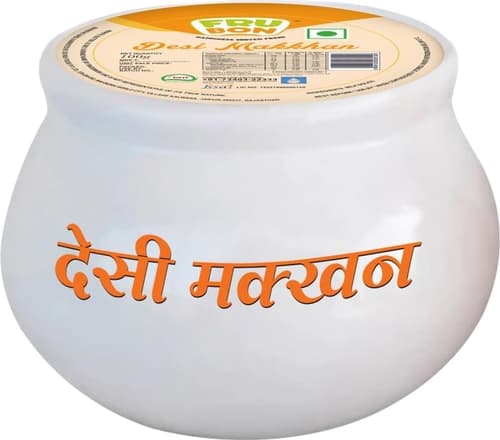
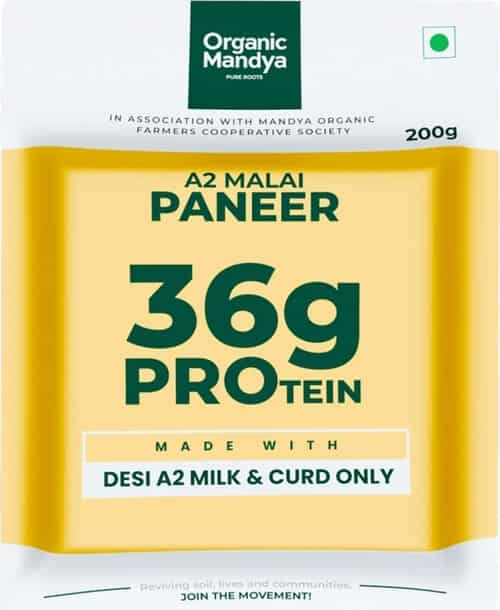
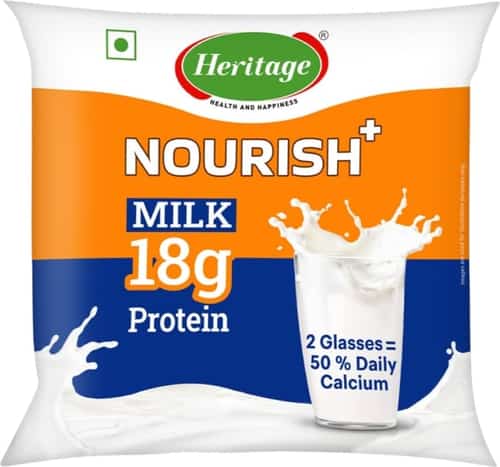
This score rates the ingredient list using our published method and public sources (FSSAI, EFSA, WHO). It is general information, not medical advice, and does not mean the product is unsafe — products sold in India meet FSSAI rules. Recipes change: check the pack in your hand. Brand owner? Write to hello@foodguards.space.