 FoodGuardINDIA
These instant noodles rely heavily on refined palm oil and significant salt for their signature texture and taste. You’ll also find several flavour enhancers and caramel colouring added to complete the profile.
Worth a closer look 8
Allowed in India, but better eaten less often.
-
Worth limitingRefined Palm OilHigh in saturated fats and often processed at high temperatures.
-
Worth limitingSaltExcessive intake is linked to high blood pressure and heart disease, making it a nutritional concern.
-
Worth limitingINS 319 INS 319There is ongoing debate regarding its safety at high doses, with some studies suggesting potential long-term health risks.
-
Worth limitingSugarExcessive consumption is linked to metabolic health issues.
-
Worth limitingINS 631 INS 631Like other nucleotides, it can increase uric acid levels and should be avoided by those with gout.
-
Worth limitingEdible Palm OilPalm oil is high in saturated fats, which can negatively impact heart health when consumed in excess.
-
Worth limitingCaramel Natural Colour E150d INS 150dThis specific type of caramel color is produced using ammonia and sulfites, which raises concerns about potential byproducts.
-
Worth limitingNatural Colour (INS 150d) INS 150dThis specific type of caramel color is produced using ammonia and sulfites, which raises concerns about potential byproducts.
The rest check out 26
Tap one to see why.
Noodles: Wheat Flour
Refined wheat flour (maida) lacks the fiber and nutrients found in whole grains, leading to a rapid spike in blood sugar.
Gelling Agent
This is a broad category of additives used to give food a jelly-like texture; safety depends on the specific type used.
INS 508
Often used as a salt substitute to reduce sodium content while maintaining flavor.
Wheat Gluten
It is a natural protein found in wheat, generally safe unless you have celiac disease or gluten sensitivity.
Emulsifying Agent
Emulsifiers help mix oil and water, but some types can affect gut health if consumed in large quantities.
INS 452(i)
Used to retain moisture and texture, but like other phosphates, it should be consumed in moderation.
Acidity Regulator
These are used to control the pH of food to prevent spoilage or improve taste, generally considered safe.
INS 501(i)
Used to adjust acidity and improve the texture of noodles and other starches.
Raising Agent
These are standard food additives used to make baked goods light and airy, generally considered safe.
INS 500(ii)
This is standard baking soda, used to help dough rise.
Antioxidant
Antioxidants prevent fats from going rancid, extending shelf life; safety depends on whether they are natural or synthetic.
Seasoning Mix: Garlic Powder
This is a natural, whole-food ingredient used for flavoring.
Iodised Salt
Essential for preventing iodine deficiency disorders.
Chilli
This is a whole, natural spice used for flavor and heat.
Ginger
It is a natural root used for flavor and digestive health.
Black Pepper
A natural, healthy spice with antioxidant properties.
Corn Starch
It is a refined carbohydrate used as a thickener that lacks significant nutrients.
Hydrolysed Soy Protein
It is a processed flavor enhancer that is safe to eat but lacks the nutritional value of whole soy.
Onion Powder
This is a dehydrated vegetable used for seasoning and is considered harmless.
Disodium 5' - Guanylate
A flavor enhancer often used with MSG to create a savory 'umami' taste; generally safe but should be avoided by those with gout.
Flavour Enhancers
These additives are designed to make food taste more intense, often encouraging overconsumption of processed foods.
INS 627
A flavor enhancer often used with MSG to create a savory 'umami' taste; generally safe but should be avoided by those with gout.
Soy Sauce Powder
A dehydrated form of soy sauce, generally safe but very high in sodium.
INS 330
This is a natural acid found in citrus fruits and is completely safe.
Caramel
While generally safe, it is a processed additive used purely for aesthetic appeal rather than nutritional value.
Natural and Nature Identical Flavouring Substances
These are standard industry additives used to enhance taste, generally recognized as safe by food authorities.
Read more
Higher-scoring options
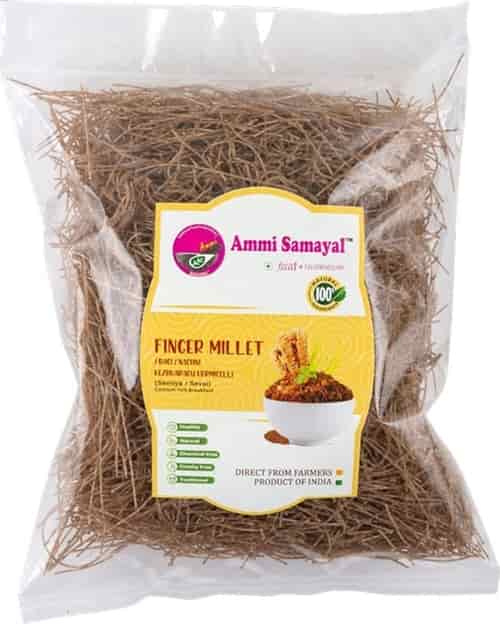
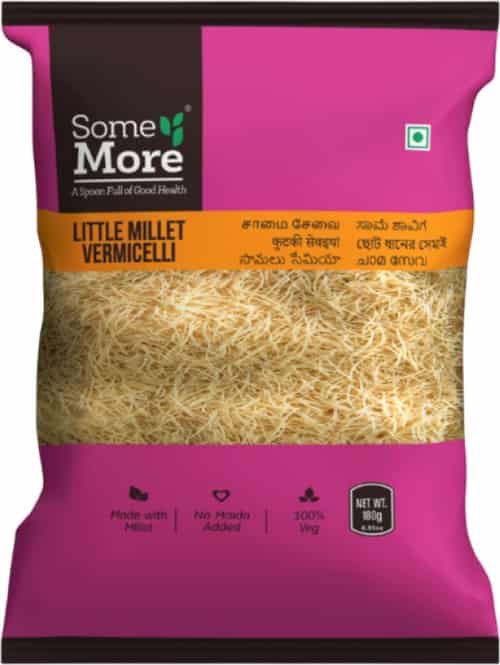
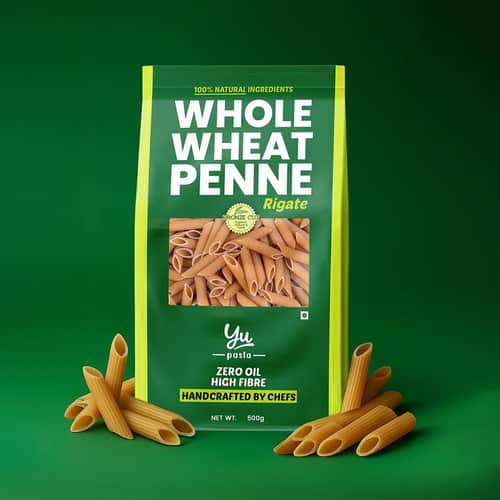
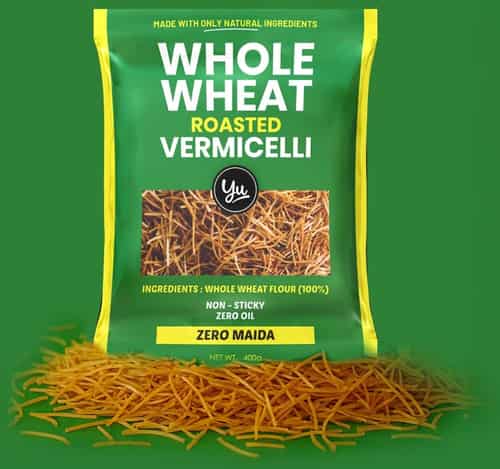
This score rates the ingredient list using our published method and public sources (FSSAI, EFSA, WHO). It is general information, not medical advice, and does not mean the product is unsafe — products sold in India meet FSSAI rules. Recipes change: check the pack in your hand. Brand owner? Write to hello@foodguards.space.