 FoodGuardINDIA
These Cheetos are a classic snack, but they rely on palm olein and synthetic food dyes like Tartrazine (INS 102) and Sunset Yellow (INS 110) for that signature look and texture. It's a processed treat, not a daily staple.
Worth a closer look 4
Allowed in India, but better eaten less often.
-
Worth limitingPalm OleinIt is a highly processed vegetable oil high in saturated fats, which can negatively impact heart health.
-
Worth limitingColours (INS 102) INS 102This synthetic yellow dye is linked to hyperactivity in children and allergic reactions.
-
Worth limitingColours (INS 110) INS 110This synthetic orange dye is associated with allergic reactions and potential hyperactivity in children.
-
Worth limitingArtificial FlavourThese are synthetic chemicals designed to mimic natural tastes, offering no nutritional value and potentially masking poor quality ingredients.
The rest check out 8
Tap one to see why.
Corn
It is a whole food ingredient that provides fiber and essential nutrients.
Bulking Agent Maltodextrin
It is a highly processed carbohydrate that causes rapid spikes in blood sugar levels.
Flavour Enhancer Monosodium L-glutamate
While generally recognized as safe by regulatory bodies, it is a highly processed additive often used to make nutritionally poor foods taste more palatable.
Acidity Regulators (INS 270)
This is a natural substance produced by the body during exercise and found in fermented foods like yogurt.
Acidity Regulators (INS 330)
This is a natural acid found in citrus fruits and is completely safe.
Emulsifying Salt (INS 339(ii))
Generally safe in small amounts, but excessive intake of phosphate additives can impact kidney health.
Anti-caking Agent (INS 551)
It is a common mineral used to keep powders flowing freely and is not absorbed by the body.
Emulsifier (INS 471)
These are common fats found in many foods and are harmless.
Read more
Palm oil: what it is and what the research says · Maltodextrin: what it is and what the research says
Higher-scoring options
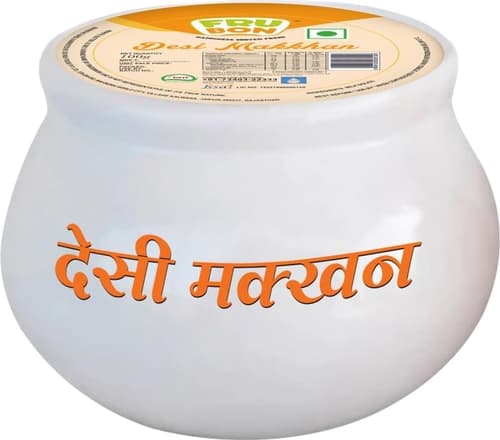
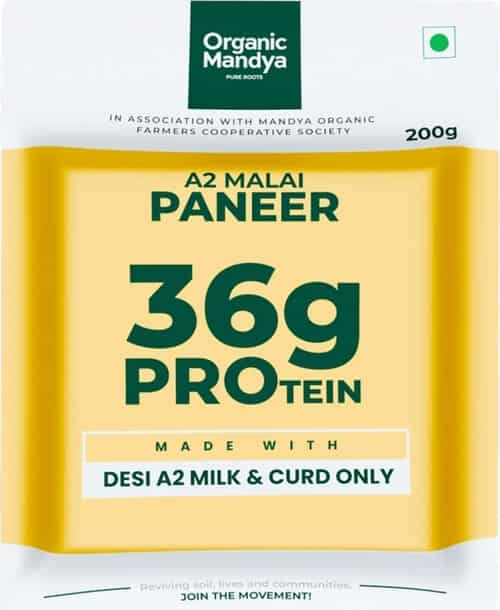
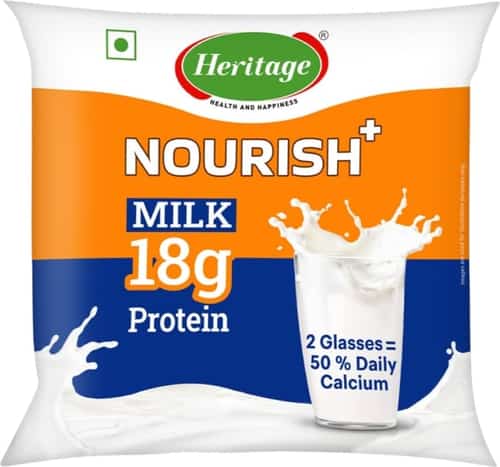
This score rates the ingredient list using our published method and public sources (FSSAI, EFSA, WHO). It is general information, not medical advice, and does not mean the product is unsafe — products sold in India meet FSSAI rules. Recipes change: check the pack in your hand. Brand owner? Write to hello@foodguards.space.