 FoodGuardINDIA
This mac and cheese leans heavily on additives like maltodextrin, corn syrup solids, and artificial Yellow 6 dye, plus palm oil and significant salt, making it more of a processed snack than a meal.
Worth a closer look 5
Allowed in India, but better eaten less often.
-
Worth limitingSaltExcessive intake is linked to high blood pressure and heart disease, making it a nutritional concern.
-
Worth limitingMaltodextrin INS 1400It is a highly processed carbohydrate that spikes blood sugar levels rapidly, similar to table sugar.
-
Worth limitingPalm OilIt is high in saturated fats which can negatively impact heart health when consumed in excess.
-
Worth limitingCorn Syrup SolidsThese are highly processed sugars that provide empty calories and spike blood glucose levels.
-
Worth limitingYellow 6 INS 110A synthetic dye linked to allergic reactions and potential hyperactivity in children.
The rest check out 28
Tap one to see why.
Wheat Flour
Unless specified as 'whole wheat', this is often refined (maida), which lacks fiber and has a high glycemic impact.
Whey
Whey is a natural byproduct of cheese making and is a high-quality source of protein.
Milk
Milk is a natural, nutrient-dense whole food providing protein and calcium.
Cultures
These are beneficial live bacteria used to ferment food, which are generally considered healthy for digestion.
Enzymes
Enzymes are biological catalysts used to speed up food processing, generally considered harmless and often naturally occurring.
Corn Starch
It is a refined carbohydrate used as a thickener that lacks significant nutrients.
Canola Oil
It is a highly processed vegetable oil that lacks the nutritional benefits of whole food fats.
Natural And Artificial Flavor
These are mixtures of chemicals used to mimic food tastes, which are generally safe but offer no nutritional value.
Whey Protein Concentrate
This is a high-quality, nutrient-dense protein source derived from milk, generally considered beneficial for muscle health.
Potassium Salt
Often used as a salt substitute to reduce sodium, it is safe for most people but should be avoided by those with kidney issues.
Disodium Phosphate
It is a common food additive used to control acidity and texture, generally considered safe in regulated amounts.
Lactic Acid
It is a naturally occurring organic acid used to control acidity and enhance flavor, generally recognized as safe.
Silicon Dioxide
It is a common anti-caking agent used to prevent powders from clumping, generally considered safe in the small amounts used in food.
Citric Acid
A standard, safe acidity regulator found naturally in citrus fruits.
Monosodium Glutamate
While widely considered safe by regulatory bodies, it is a highly processed flavor enhancer often used to make low-quality foods taste better.
Cultured Nonfat Milk
This is simply milk fermented with beneficial bacteria, which is a nutritious and wholesome ingredient.
Autolyzed Yeast Extract
While safe, it is a concentrated source of glutamates used to enhance savory flavor, similar to MSG.
Buttermilk
It is a natural dairy product that is generally nutritious and safe.
Hydrolyzed Soy Protein
It is a flavor enhancer used to add savory taste, though it is highly processed.
Guar Gum
A natural fiber derived from guar beans used to thicken food; generally safe.
Xanthan Gum
A common food additive used to improve texture; generally considered safe but highly processed.
Niacinamide
A form of Vitamin B3 used to fortify processed foods.
Iron Ii Sulfate
Used as a food fortificant to prevent iron deficiency, it is a safe and helpful additive.
Disodium Guanylate
This is a flavor enhancer used to boost savory tastes, often paired with MSG, and is considered a processed additive.
Disodium Inosinate
This is a flavor enhancer often used in combination with MSG to create a stronger savory effect.
Thiamine Mononitrate
This is a stable form of Vitamin B1 used to fortify foods, which is beneficial for health.
Riboflavin
Riboflavin is a naturally occurring B-vitamin that is safe and often added to fortify foods.
Folic Acid
A synthetic form of Vitamin B9, crucial for preventing birth defects.
Read more
Palm oil: what it is and what the research says · Maltodextrin: what it is and what the research says
Higher-scoring options
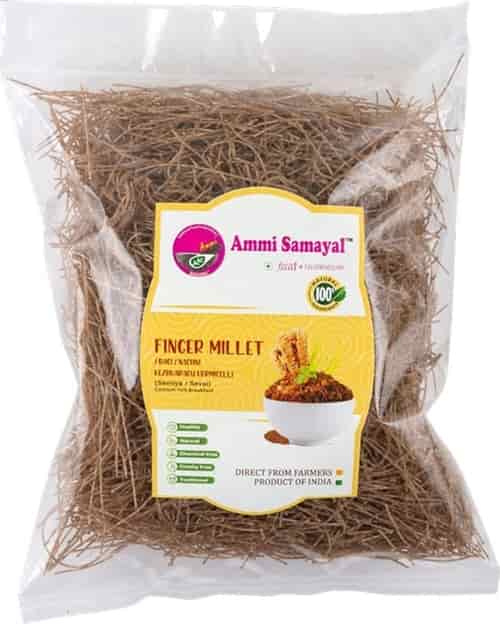
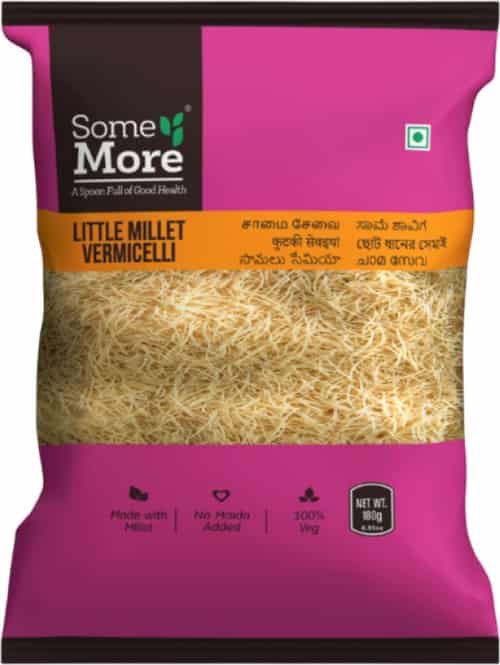
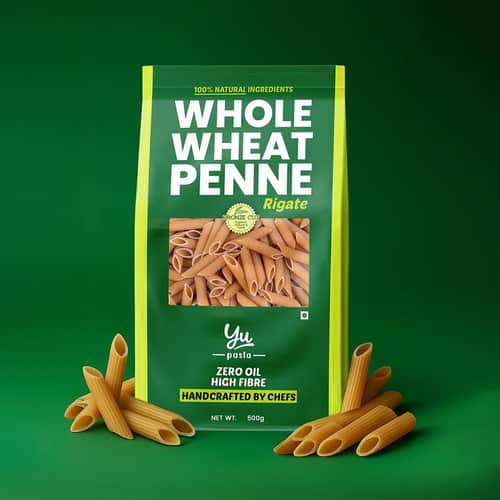
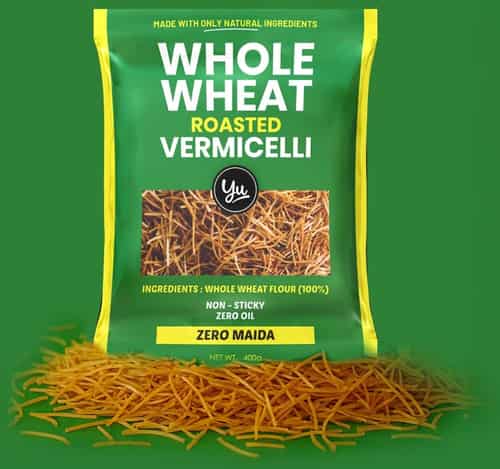
This score rates the ingredient list using our published method and public sources (FSSAI, EFSA, WHO). It is general information, not medical advice, and does not mean the product is unsafe — products sold in India meet FSSAI rules. Recipes change: check the pack in your hand. Brand owner? Write to hello@foodguards.space.