 FoodGuardINDIA
This Cheetos-inspired mac and cheese packs quite a list of additives, including artificial colors like Yellow 5 and 6, Blue 1, and Red 40, alongside corn syrup solids and maltodextrin. It's highly processed.
Worth a closer look 9
Allowed in India, but better eaten less often.
-
Worth limitingPalm OilIt is high in saturated fats which can negatively impact heart health when consumed in excess.
-
Worth limitingSaltExcessive intake is linked to high blood pressure and heart disease, making it a nutritional concern.
-
Worth limitingMaltodextrin INS 1400It is a highly processed carbohydrate that spikes blood sugar levels rapidly, similar to table sugar.
-
Worth limitingCorn Syrup SolidsThese are highly processed sugars that provide empty calories and spike blood glucose levels.
-
Worth limitingYellow 6 INS 110A synthetic dye linked to allergic reactions and potential hyperactivity in children.
-
Worth limitingYellow 5 INS 102This synthetic dye is linked to hyperactivity in children and allergic reactions in some people.
-
Worth limitingCaramel Color INS 150aIt is a synthetic-like coloring agent often used to make processed foods look more appealing.
-
Worth limitingBlue 1 INS 133A synthetic dye that is poorly absorbed by the body and has raised concerns regarding potential toxicity.
-
Worth limitingRed 40 INS 129A synthetic dye that has been associated with hyperactivity in children and potential health concerns.
The rest check out 45
Tap one to see why.
Wheat Flour
Unless specified as 'whole wheat', this is often refined (maida), which lacks fiber and has a high glycemic impact.
Whey
Whey is a natural byproduct of cheese making and is a high-quality source of protein.
Cheddar
Cheddar is a traditional dairy product that is generally safe but high in saturated fat and sodium.
Romano
It is a traditional dairy product, though it is high in sodium and saturated fat.
Monterey Jack
It is a natural cheese, which is a whole food, though it is high in saturated fat and sodium.
Parmesan
It is a traditional, nutrient-dense dairy product, though it is high in sodium and saturated fat.
Milk
Milk is a natural, nutrient-dense whole food providing protein and calcium.
Cultures
These are beneficial live bacteria used to ferment food, which are generally considered healthy for digestion.
Enzymes
Enzymes are biological catalysts used to speed up food processing, generally considered harmless and often naturally occurring.
Modified Corn Starch
A processed additive used for thickening that lacks nutritional benefits.
Disodium Phosphate
It is a common food additive used to control acidity and texture, generally considered safe in regulated amounts.
Reduced Lactose Whey
It is a processed dairy derivative that is generally safe but lacks the nutritional complexity of whole milk.
Buttermilk
It is a natural dairy product that is generally nutritious and safe.
Natural And Artificial Flavor
These are mixtures of chemicals used to mimic food tastes, which are generally safe but offer no nutritional value.
Canola Oil
It is a highly processed vegetable oil that lacks the nutritional benefits of whole food fats.
Potassium Salt
Often used as a salt substitute to reduce sodium, it is safe for most people but should be avoided by those with kidney issues.
Monosodium Glutamate
While widely considered safe by regulatory bodies, it is a highly processed flavor enhancer often used to make low-quality foods taste better.
Onion Powder
This is a dehydrated vegetable used for seasoning and is considered harmless.
Spices
Spices are natural plant-based ingredients that add flavor without significant health risks.
Lactose
Lactose is a natural milk sugar, though it causes digestive distress for those with lactose intolerance.
Jalapeño Pepper
This is a whole, natural vegetable that is a good source of vitamins.
Garlic Powder
This is a dehydrated vegetable used for seasoning and is considered harmless.
Whey Protein Concentrate
This is a high-quality, nutrient-dense protein source derived from milk, generally considered beneficial for muscle health.
Cultured Nonfat Milk
This is simply milk fermented with beneficial bacteria, which is a nutritious and wholesome ingredient.
Sodium Caseinate
It is a milk-derived protein used as a stabilizer and emulsifier, generally safe but problematic for those with dairy allergies.
Lactic Acid
It is a naturally occurring organic acid used to control acidity and enhance flavor, generally recognized as safe.
Sunflower Oil
It is a common vegetable oil that is generally safe but high in omega-6 fatty acids, which can be inflammatory if consumed in excess.
Autolyzed Yeast Extract
While safe, it is a concentrated source of glutamates used to enhance savory flavor, similar to MSG.
Nonfat Milk
It is a natural, nutrient-dense food source, though it lacks the fat-soluble vitamins found in whole milk.
Disodium Guanylate
This is a flavor enhancer used to boost savory tastes, often paired with MSG, and is considered a processed additive.
Disodium Inosinate
This is a flavor enhancer often used in combination with MSG to create a stronger savory effect.
Citric Acid
A standard, safe acidity regulator found naturally in citrus fruits.
Malic Acid
A common organic acid found naturally in fruits like apples, used here to provide tartness.
Annatto Extract Color
This is a natural food coloring derived from seeds, generally considered safe for most consumers.
Guar Gum
A natural fiber derived from guar beans used to thicken food; generally safe.
Xanthan Gum
A common food additive used to improve texture; generally considered safe but highly processed.
Turmeric Extract Color
This is a natural plant-based pigment derived from turmeric root and is considered safe for consumption.
Niacinamide
A form of Vitamin B3 used to fortify processed foods.
Iron
It is an essential mineral added to foods to prevent deficiency.
Thiamine Mononitrate
This is a stable form of Vitamin B1 used to fortify foods, which is beneficial for health.
Riboflavin
Riboflavin is a naturally occurring B-vitamin that is safe and often added to fortify foods.
Folic Acid
A synthetic form of Vitamin B9, crucial for preventing birth defects.
Soy Lecithin
It is a widely used, generally safe additive that helps mix ingredients like oil and water together.
Soy
Soy is a plant-based protein source, generally healthy but a common allergen.
Wheat Ingredients
A broad term that usually refers to refined wheat flour, which lacks the fiber and nutrients of whole wheat.
Read more
Palm oil: what it is and what the research says · Maltodextrin: what it is and what the research says
Higher-scoring options
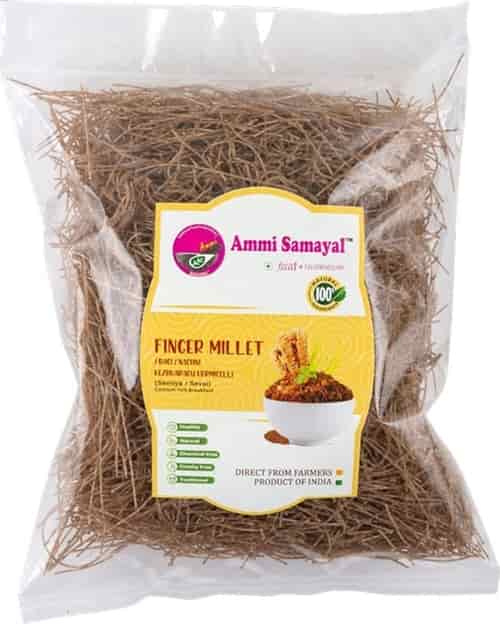
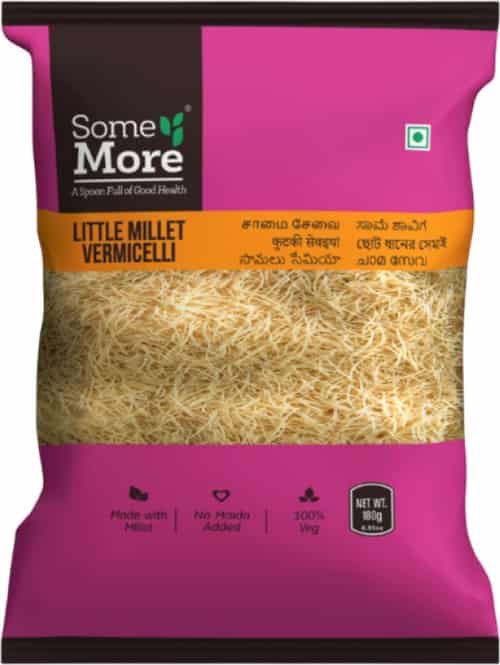
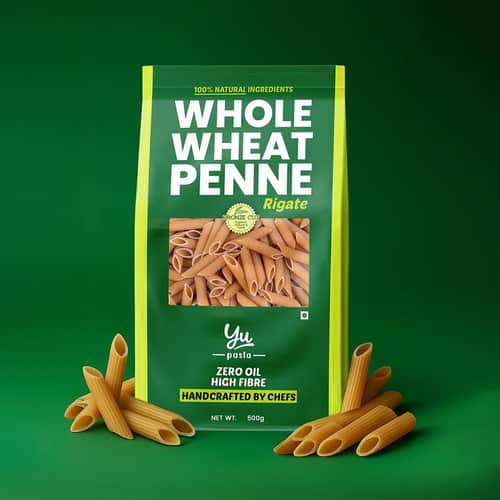
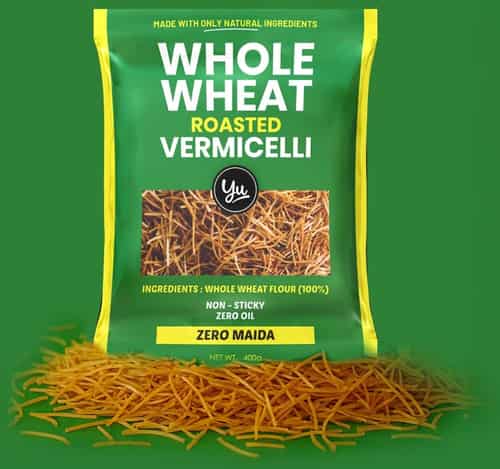
This score rates the ingredient list using our published method and public sources (FSSAI, EFSA, WHO). It is general information, not medical advice, and does not mean the product is unsafe — products sold in India meet FSSAI rules. Recipes change: check the pack in your hand. Brand owner? Write to hello@foodguards.space.