 FoodGuardINDIA
These Cheetos Puffs deliver that classic cheesy crunch but rely on a mix of maltodextrin, added sugar, and flavor enhancers like disodium guanylate and inosinate to achieve their signature taste.
Worth a closer look 4
Allowed in India, but better eaten less often.
-
Worth limitingMaltodextrin INS 1400It is a highly processed carbohydrate that spikes blood sugar levels rapidly, similar to table sugar.
-
Worth limitingSugarExcessive consumption is linked to metabolic health issues.
-
Worth limitingFlavour Enhancers (INS 627) INS 627It is often used with MSG to boost savory flavor; people with gout should avoid it.
-
Worth limitingFlavour Enhancers (INS 631) INS 631Like other nucleotides, it can increase uric acid levels and should be avoided by those with gout.
The rest check out 16
Tap one to see why.
Corn Meal
While a staple, it is often highly refined and stripped of the germ and bran, reducing its nutritional density.
Edible Vegetable Oil Rice Bran Oil
While generally considered a healthier cooking oil due to its high smoke point and oryzanol content, it is still a processed fat.
Flavour Natural And Nature Identical Flavouring Substances
These are standard industry additives used to enhance taste, though they indicate a processed product rather than a whole food.
Cheese Powder
It is a processed dairy product that is generally safe but often high in sodium and saturated fats.
Iodised Salt
Essential for preventing iodine deficiency disorders.
Milk Solids
A standard dairy-derived ingredient.
Salt Substitute Potassium Chloride
Generally safe for most people, but individuals with kidney issues or those on certain medications should avoid it as it increases potassium levels.
Yeast Extract
It is a natural flavor enhancer, though it is high in sodium.
Spices And Condiments
These are natural plant-based ingredients used for flavor and are generally beneficial or neutral.
Emulsifiers (INS 433)
This is a common food additive used to mix oil and water, generally considered safe in regulated amounts.
Emulsifiers (INS 331(ii))
This is a common food additive used to control acidity and is considered safe for consumption.
Emulsifiers (INS 322)
It is a widely used, generally safe emulsifier derived from natural sources like soy or sunflower that helps mix oil and water.
Acidity Regulator (INS 330)
This is a natural acid found in citrus fruits and is completely safe.
Firming Agent (INS 170(i))
This is a naturally occurring mineral that is generally considered safe for consumption.
Emulsifier (INS 471)
These are common fats found in many foods and are harmless.
As Flavouring Agent
This is a generic label term for additives used to improve taste, which are common in processed foods.
Read more
Higher-scoring options
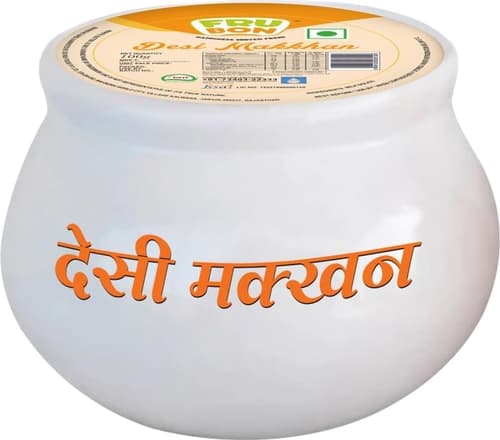
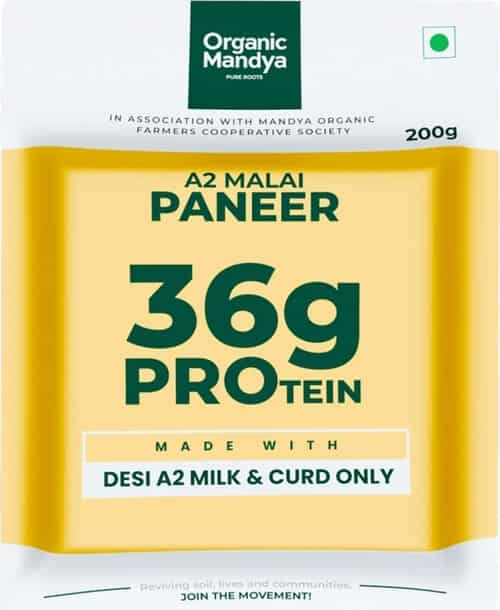
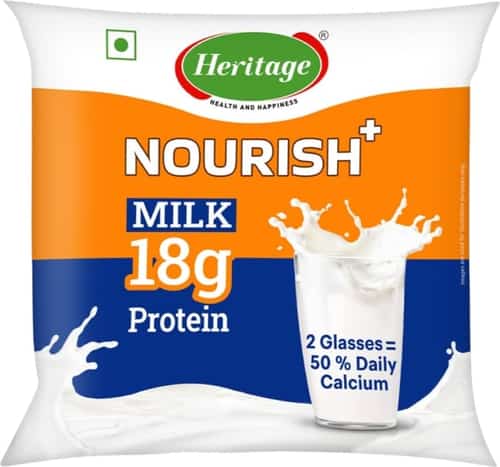
This score rates the ingredient list using our published method and public sources (FSSAI, EFSA, WHO). It is general information, not medical advice, and does not mean the product is unsafe — products sold in India meet FSSAI rules. Recipes change: check the pack in your hand. Brand owner? Write to hello@foodguards.space.