 FoodGuardINDIA
Not the healthiest option on the shelf, but not the worst either — Caramel Colour, Phosphoric Acid, Flavouring are doing a lot of the work here instead of real ingredients.
Worth a closer look 6
Allowed in India, but better eaten less often.
-
Worth limitingCaramel Colour INS 150While widely used, certain classes of caramel colour (specifically III and IV) are produced using ammonia and sulfites, which have raised health concerns regarding potential contaminants.
-
Worth limitingPhosphoric Acid INS 338High intake of phosphoric acid is associated with potential bone density loss and kidney issues.
-
Worth limitingFlavouringThis is a vague term that can hide a mix of synthetic chemicals used to enhance taste.
-
Worth limitingCaffeineIt is a stimulant that can cause sleep disruption, anxiety, and increased heart rate if consumed in excess.
-
Worth limitingAcesulfame Potassium INS 950This is a synthetic sweetener often used in combination with others, raising concerns about long-term metabolic effects.
-
Worth limitingSucralose INS 955It is an artificial sweetener that provides intense sweetness without calories but may negatively impact gut health and insulin sensitivity.
The rest check out 2
Tap one to see why.
Carbonated Water
It is simply water infused with carbon dioxide gas to create fizz, which is generally harmless.
Sucrose
It is standard table sugar, which provides empty calories and can spike blood sugar levels if consumed in excess.
Higher-scoring options
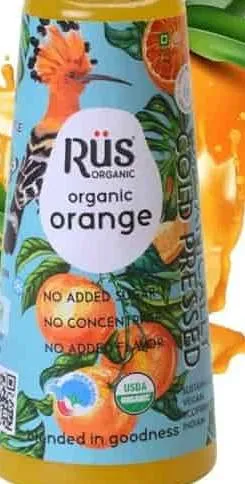
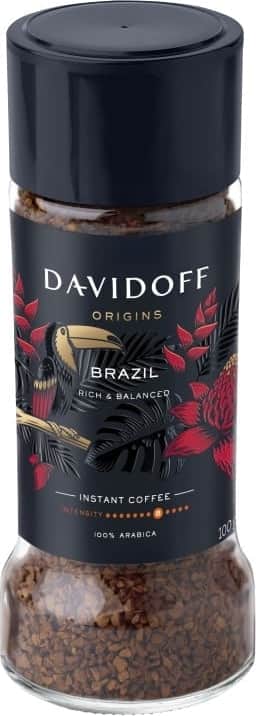
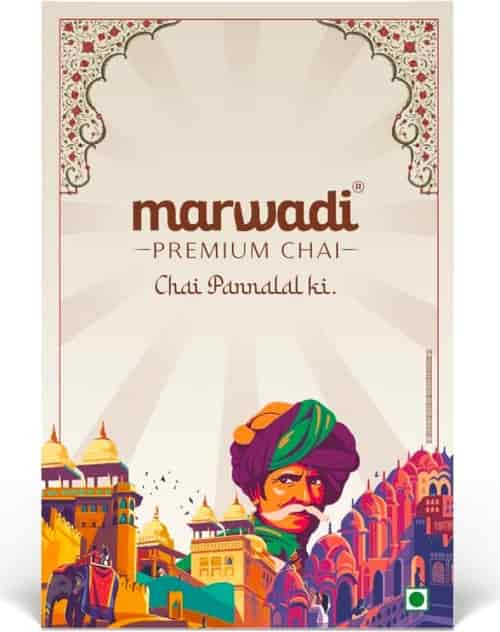
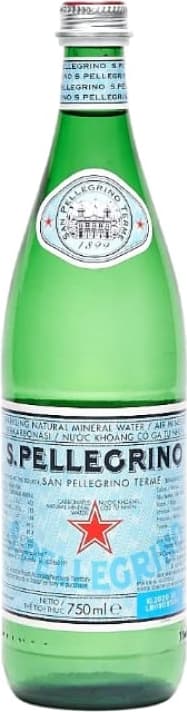
This score rates the ingredient list using our published method and public sources (FSSAI, EFSA, WHO). It is general information, not medical advice, and does not mean the product is unsafe — products sold in India meet FSSAI rules. Recipes change: check the pack in your hand. Brand owner? Write to hello@foodguards.space.