 FoodGuardINDIA
This sugar-free option mimics the classic taste using artificial sweeteners like aspartame and acesulfame potassium, plus additives like phosphoric acid and preservatives. It’s a highly processed drink that lacks any real nutritional benefit.
Worth a closer look 6
Allowed in India, but better eaten less often.
-
Worth limitingAcidity Regulators (INS 338) INS 338High intake of phosphoric acid can interfere with calcium absorption and bone health.
-
Worth limitingSweeteners (INS 951) INS 951This is a very common artificial sweetener that has been the subject of many health debates.
-
Worth limitingSweeteners (INS 950) INS 950This is an artificial sweetener that is much sweeter than sugar and is often used in diet products.
-
Worth limitingCaffeineIt is a stimulant that can cause sleep disruption, anxiety, and increased heart rate if consumed in excess.
-
Worth limitingPreservative (INS 211) INS 211While permitted, it is a synthetic preservative that can form benzene, a known carcinogen, when combined with vitamin C in acidic conditions.
-
Worth limitingNatural Colour (INS 150d) INS 150dThis caramel color is produced using ammonia and sulfites, which can form potentially harmful byproducts.
The rest check out 3
Tap one to see why.
Carbonated Water
It is simply water infused with carbon dioxide gas to create fizz, which is generally harmless.
Acidity Regulators (INS 331)
A common food additive used to control acidity and act as an emulsifier, generally considered safe.
Natural Flavouring Substances
Similar to natural flavours, these are derived from natural sources and are generally safe.
Higher-scoring options
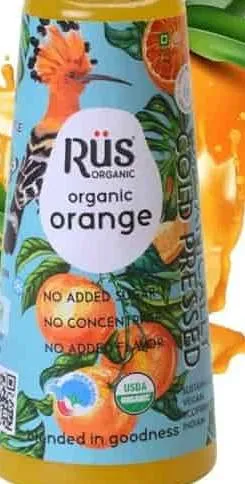
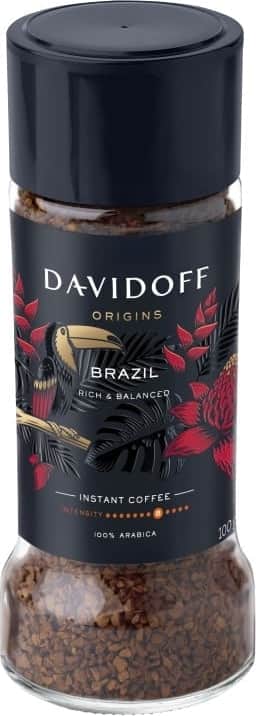
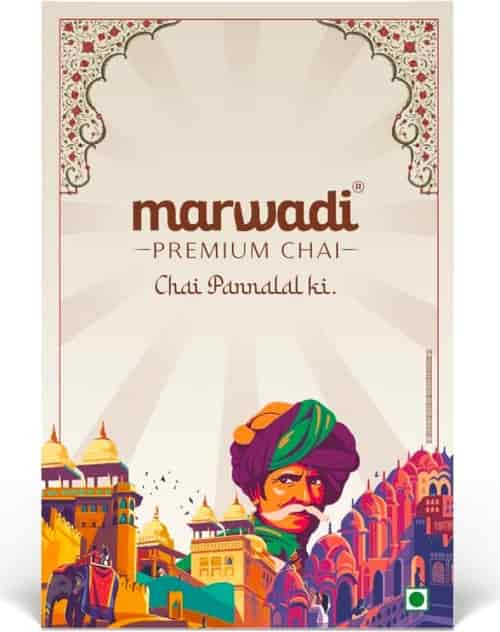
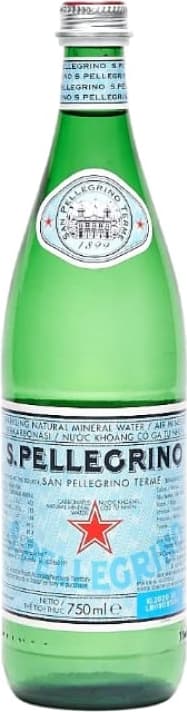
This score rates the ingredient list using our published method and public sources (FSSAI, EFSA, WHO). It is general information, not medical advice, and does not mean the product is unsafe — products sold in India meet FSSAI rules. Recipes change: check the pack in your hand. Brand owner? Write to hello@foodguards.space.