 FoodGuardINDIA
Not the healthiest option on the shelf, but not the worst either — Caramel Colour (INS 150d), Phosphoric Acid, Aspartame are doing a lot of the work here instead of real ingredients.
Worth a closer look 4
Allowed in India, but better eaten less often.
-
Worth limitingCaramel Colour (INS 150d) INS 150dThis caramel color is produced using ammonia and sulfites, which can form potentially harmful byproducts.
-
Worth limitingPhosphoric Acid INS 338High intake of phosphoric acid is associated with potential bone density loss and kidney issues.
-
Worth limitingAspartame INS 951A common artificial sweetener that must be avoided by people with phenylketonuria (PKU).
-
Worth limitingAcesulfame Potassium INS 950This is a synthetic sweetener often used in combination with others, raising concerns about long-term metabolic effects.
The rest check out 3
Tap one to see why.
Carbonated Water
It is simply water infused with carbon dioxide gas to create fizz, which is generally harmless.
Sodium Citrate
It is a widely used acidity regulator and emulsifier that is considered safe for consumption.
Natural Flavouring Substances
Similar to natural flavours, these are derived from natural sources and are generally safe.
Higher-scoring options
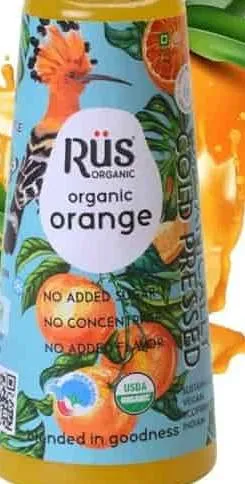
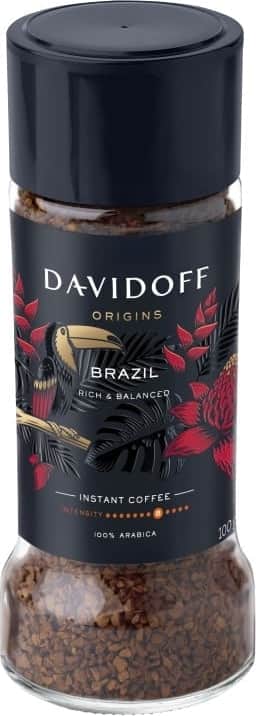
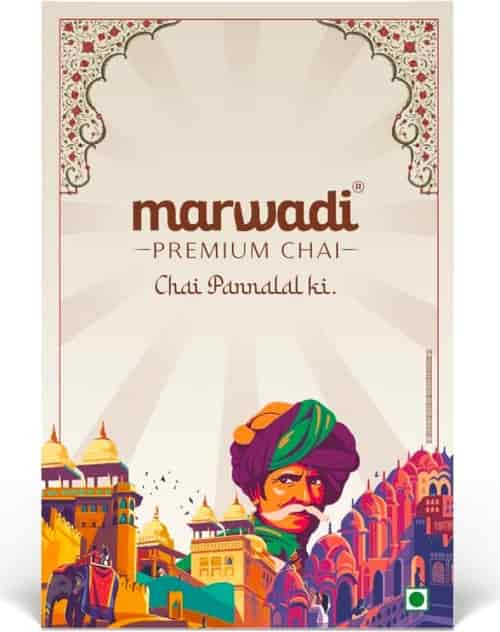
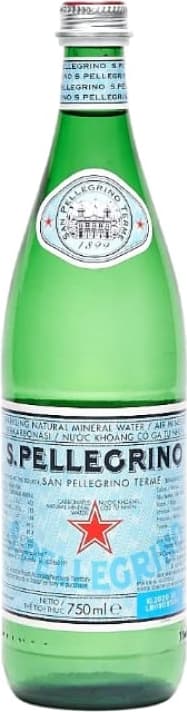
This score rates the ingredient list using our published method and public sources (FSSAI, EFSA, WHO). It is general information, not medical advice, and does not mean the product is unsafe — products sold in India meet FSSAI rules. Recipes change: check the pack in your hand. Brand owner? Write to hello@foodguards.space.