 FoodGuardINDIA
This is a decent kitchen staple with a clean ingredient list, though the high common salt content keeps it from a perfect score. Enjoy the authentic flavor while keeping an eye on your sodium intake.
Worth a closer look 1
Allowed in India, but better eaten less often.
-
Worth limitingCommon SaltWhile essential in small amounts, excessive intake is a major contributor to high blood pressure and heart disease.
The rest check out 13
Tap one to see why.
Chilli
This is a whole, natural spice used for flavor and heat.
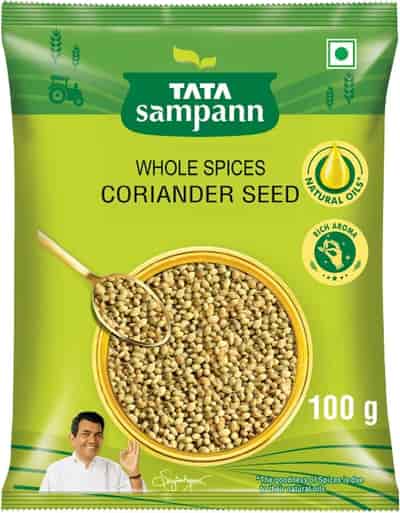
Coriander
This is a whole, natural spice with no negative health impact.
Cumin
This is a whole, natural spice with beneficial properties.
Dry Mango
It is a natural, dried fruit powder used as a souring agent.
Cassia Leaf
This is a natural, whole spice commonly used in Indian cooking with no significant health concerns.
Black Pepper
A natural, healthy spice with antioxidant properties.
Cassia
It is a natural spice commonly used as a cheaper alternative to true cinnamon, generally safe in culinary amounts.
Clove
This is a whole, natural spice.
Turmeric
This is a natural root spice with well-documented health benefits and no safety concerns.
Dry Ginger
This is a natural, whole spice with well-documented health benefits and no nutritional downsides.
Star Anise
This is a whole, natural spice with no negative health impact.
Fennel
This is a whole, natural seed used as a spice and digestive aid, posing no health risks.
Black Cardamom
This is a whole, natural spice that adds flavor without negative nutritional impact.
Higher-scoring options
This score rates the ingredient list using our published method and public sources (FSSAI, EFSA, WHO). It is general information, not medical advice, and does not mean the product is unsafe — products sold in India meet FSSAI rules. Recipes change: check the pack in your hand. Brand owner? Write to hello@foodguards.space.