 FoodGuardINDIA
These crackers are a highly processed snack relying on refined flour (maida) and palm oil. They also contain artificial colors like Tartrazine and Sunset Yellow, which contribute to a very low nutritional profile.
Worth a closer look 7
Allowed in India, but better eaten less often.
-
Worth limitingRefined Wheat Flour MaidaThis is a highly processed flour stripped of fiber and nutrients, leading to rapid blood sugar spikes.
-
Worth limitingVegetable Oil Palm OilIt is high in saturated fats, which can negatively impact cardiovascular health when consumed in excess.
-
Worth limitingStabilizer Disodium Diphosphate (INS 339(i)) INS 339(i)Excessive intake of phosphate additives can negatively impact kidney health and bone density.
-
Worth limitingSugarExcessive consumption is linked to metabolic health issues.
-
Worth limitingVegetable Fat Palm OilIt is a highly processed fat that is very high in saturated fats, which can negatively impact heart health when consumed in excess.
-
Worth limitingTartrazine (INS 102) INS 102This synthetic yellow dye is linked to hyperactivity in children and allergic reactions.
-
Worth limitingSunset Yellow (INS 110) INS 110This synthetic orange dye is associated with allergic reactions and potential hyperactivity in children.
The rest check out 20
Tap one to see why.
Corn Starch
It is a refined carbohydrate used as a thickener that lacks significant nutrients.
Malt Extract
It is a concentrated source of sugar derived from barley, which can spike blood glucose levels similarly to refined sugar.
Dextrose
This is a simple sugar that causes rapid spikes in blood glucose levels.
Yeast
This is a natural, harmless microorganism used for fermentation and leavening.
Raising Agent Ammonium Bicarbonate (INS 503(ii))
Commonly used food additive with a long history of safe use.
Raising Agent Sodium Bicarbonate (INS 500(ii))
This is standard baking soda, used to help dough rise.
Acidity Regulatory Calcium Carbonate (INS 170(i))
This is a naturally occurring mineral that is generally considered safe for consumption.
Milk Protein - Sodium Caseinate
It is a processed milk protein used as an emulsifier or stabilizer, generally considered safe but highly processed.
Emulsifier (INS 471)
These are common fats found in many foods and are harmless.
Stabilizer (INS 340(ii))
It is a common food additive used to control acidity and texture, generally considered safe in moderate amounts.
Stabilizer (INS 331(iii))
This is a common salt of citric acid used to regulate acidity and is safe.
Anti Caking Agent (INS 551)
It is a common mineral used to keep powders flowing freely and is not absorbed by the body.
Cheese Powder
It is a processed dairy product that is generally safe but often high in sodium and saturated fats.
Whey Powder
It is a byproduct of cheese making that provides high-quality protein, though it contains lactose.
Milk Powder
It is a concentrated form of milk, generally safe but highly processed compared to fresh milk.
Vegetable Emulsifier Soy Lecithin (INS 322)
It is a widely used, generally safe emulsifier derived from natural sources like soy or sunflower that helps mix oil and water.
Monosodium Glutamate
While widely considered safe by regulatory bodies, it is a highly processed flavor enhancer often used to make low-quality foods taste better.
Soy
Soy is a plant-based protein source, generally healthy but a common allergen.
Milk
Milk is a natural, nutrient-dense whole food providing protein and calcium.
Corn
It is a whole food ingredient that provides fiber and essential nutrients.
Read more
Higher-scoring options
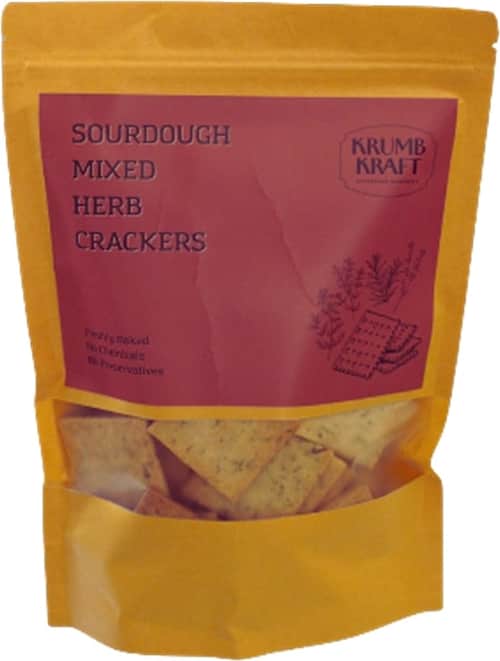
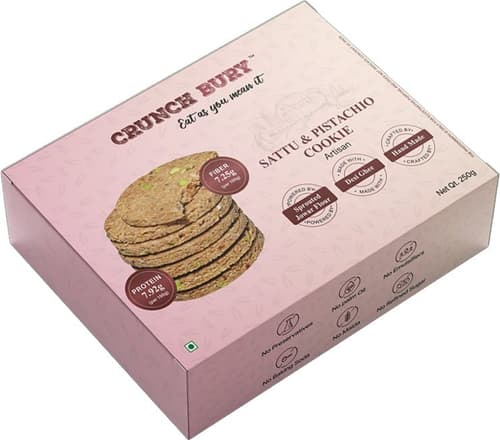
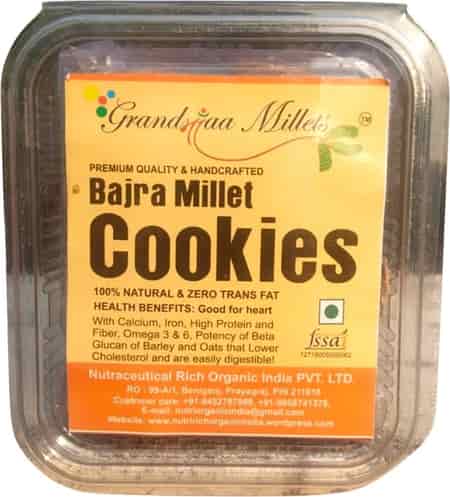

This score rates the ingredient list using our published method and public sources (FSSAI, EFSA, WHO). It is general information, not medical advice, and does not mean the product is unsafe — products sold in India meet FSSAI rules. Recipes change: check the pack in your hand. Brand owner? Write to hello@foodguards.space.