 FoodGuardINDIA
These cheese slices rely on a blend of emulsifiers and preservatives to achieve that signature meltable texture and shelf stability. It's a processed product, so keep in mind the salt content and additive profile.
Worth a closer look 2
Allowed in India, but better eaten less often.
-
Worth limitingEmulsifier (INS 452) INS 452This contains polyphosphates (INS 452) and allergens (soya/wheat) which require caution for sensitive individuals.
-
Worth limitingCommon SaltWhile essential in small amounts, excessive intake is a major contributor to high blood pressure and heart disease.
The rest check out 9
Tap one to see why.
Water
Water is essential for life and has no negative nutritional impact.
Cheddar Cheese
It is a traditional dairy product, though it is high in saturated fat and sodium.
Milk Solids
A standard dairy-derived ingredient.
Emulsifier (INS 331)
A common food additive used to control acidity and act as an emulsifier, generally considered safe.
Emulsifier (INS 339)
These are common phosphate salts used to maintain texture and acidity, generally considered safe in moderation.
Preservative (INS 200)
It is a widely used and generally safe preservative that prevents mold and yeast growth.
Preservative (INS 202)
This is a widely used preservative that prevents mold and yeast growth, generally considered safe.
Preservative (INS 234)
It is a naturally occurring protein produced by bacteria that is considered safe for human consumption.
Acidity Regulator (INS 330)
This is a natural acid found in citrus fruits and is completely safe.
Higher-scoring options
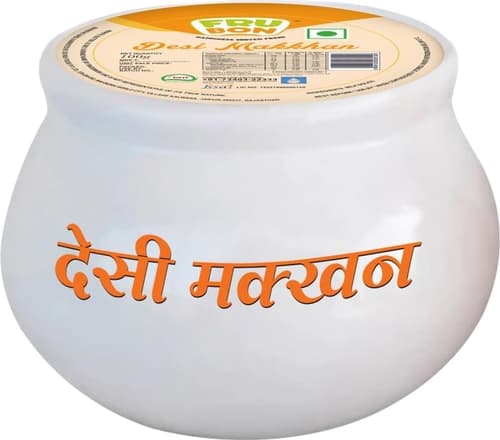
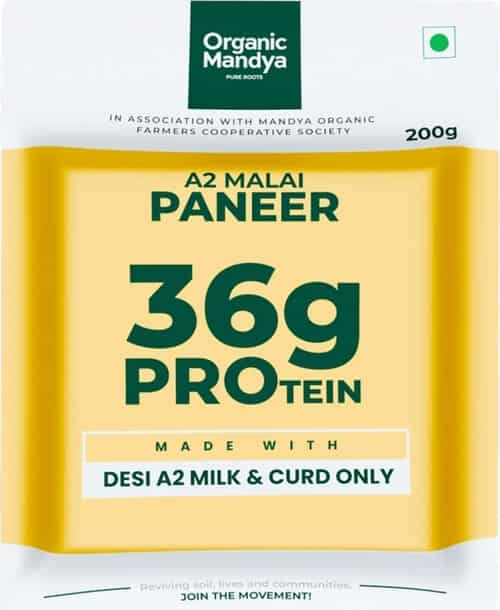
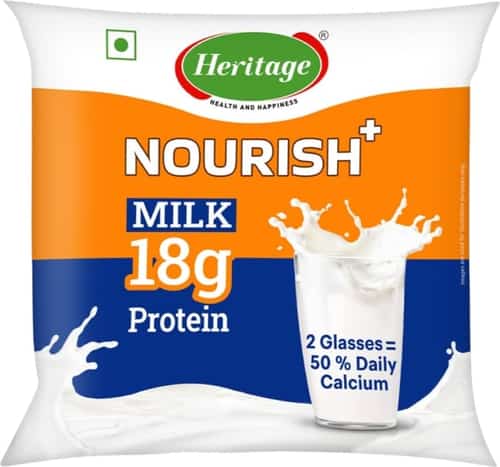
This score rates the ingredient list using our published method and public sources (FSSAI, EFSA, WHO). It is general information, not medical advice, and does not mean the product is unsafe — products sold in India meet FSSAI rules. Recipes change: check the pack in your hand. Brand owner? Write to hello@foodguards.space.