 FoodGuardINDIA
This ice cream offers a sugar-free alternative, but it relies on sugar alcohols like Maltitol, added salt, and carrageenan (INS 407), which some people prefer to avoid in their daily diet.
Worth a closer look 3
Allowed in India, but better eaten less often.
-
Worth limitingMaltitol INS 965It is a sugar alcohol that can cause digestive discomfort like bloating or diarrhea if consumed in large amounts.
-
Worth limitingSaltExcessive intake is linked to high blood pressure and heart disease, making it a nutritional concern.
-
Worth limitingStabilizers (INS 407) INS 407It is a seaweed extract that can cause digestive inflammation in some people.
The rest check out 13
Tap one to see why.
Milk
Milk is a natural, nutrient-dense whole food providing protein and calcium.
Skimmed Milk Powder
It is a concentrated source of milk protein and calcium, though it lacks the fat-soluble vitamins of whole milk.
Butter
While a natural food, it is high in saturated fat and should be consumed in moderation.
Oligofructose
This is a type of dietary fiber often used as a prebiotic or sugar substitute.
Cashew
This is a whole, nutrient-dense nut providing healthy fats and minerals.
Water
Water is essential for life and has no negative nutritional impact.
Isomalt
It is a sugar alcohol used as a bulk sweetener that has a lower glycemic impact than sugar.
Emulsifier (INS 471)
These are common fats found in many foods and are harmless.
Stabilizers (INS 412)
It is a natural fiber derived from the guar bean, used to thicken food.
Stabilizers (INS 461)
It is a plant-derived fiber that is not digested by the body.
Stevia
Stevia is a plant-based, zero-calorie sweetener that is considered a safer alternative to artificial sweeteners.
Natural Food Colour (INS 160b)
This natural color is generally safe but can cause allergic reactions in some people.
Added Nature-identical Butterscotch Flavouring Substances
These are synthetic compounds designed to chemically mimic the taste of natural butterscotch, which are generally considered safe for consumption in regulated amounts.
Higher-scoring options
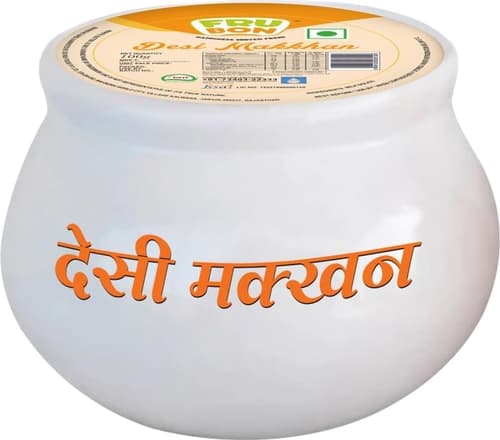
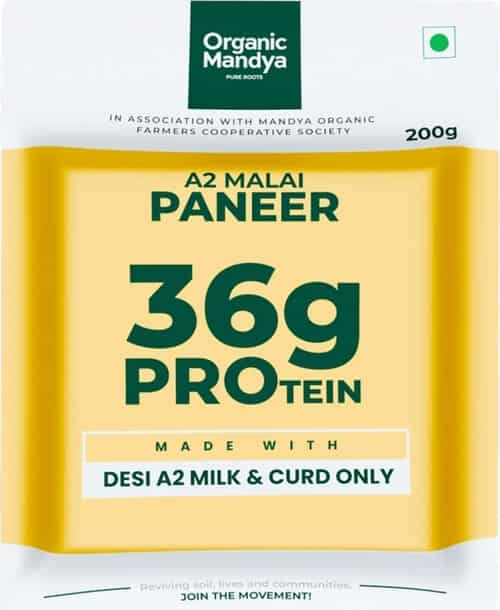
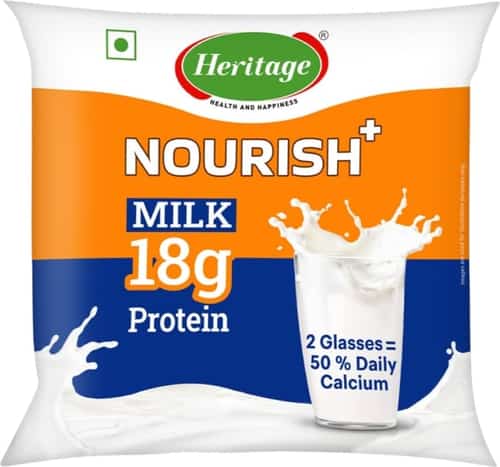
This score rates the ingredient list using our published method and public sources (FSSAI, EFSA, WHO). It is general information, not medical advice, and does not mean the product is unsafe — products sold in India meet FSSAI rules. Recipes change: check the pack in your hand. Brand owner? Write to hello@foodguards.space.