 FoodGuardINDIA
These traditional laddus offer a classic taste, though they rely heavily on sugar and refined flour (maida). You'll also find synthetic colours like INS 102 and 110 used to achieve that signature golden hue.
Worth a closer look 4
Allowed in India, but better eaten less often.
-
Worth limitingSugarExcessive consumption is linked to metabolic health issues.
-
Worth limitingRefined Wheat Flour MaidaThis is a highly processed flour stripped of fiber and nutrients, leading to rapid blood sugar spikes.
-
Worth limitingSynthetic Food Colour (INS 102) INS 102This synthetic yellow dye is linked to hyperactivity in children and allergic reactions.
-
Worth limitingSynthetic Food Colour (INS 110) INS 110This synthetic orange dye is associated with allergic reactions and potential hyperactivity in children.
The rest check out 7
Tap one to see why.
Besan
This is a whole, nutrient-dense legume flour that provides good protein and fiber.
Ghee
Ghee is a traditional, nutrient-dense fat source, though it is high in saturated fats and should be consumed in moderation.
Natural Flavour Rose
This is a natural extract derived from rose petals or rose oil, generally considered safe for consumption.
Cardamom
A natural, aromatic spice that is completely safe.
Saffron
This is a natural, high-quality spice used in tiny amounts for color and flavor.
Kewra
It is a natural floral extract used for flavoring and is considered safe for consumption.
Preservative (INS 202)
This is a widely used preservative that prevents mold and yeast growth, generally considered safe.
Higher-scoring options
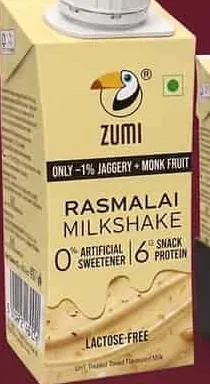
This score rates the ingredient list using our published method and public sources (FSSAI, EFSA, WHO). It is general information, not medical advice, and does not mean the product is unsafe — products sold in India meet FSSAI rules. Recipes change: check the pack in your hand. Brand owner? Write to hello@foodguards.space.