 FoodGuardINDIA
This ice cream cone relies heavily on a complex mix of sugar, refined palm oils, and multiple synthetic food colours to achieve its texture and appearance. It's quite a processed treat rather than a simple dessert.
Worth a closer look 11
Allowed in India, but better eaten less often.
-
Worth limitingSugarExcessive consumption is linked to metabolic health issues.
-
Worth limitingStabilizers (INS 407a) INS 407aSimilar to carrageenan, this seaweed derivative may cause digestive irritation in some consumers.
-
Worth limitingSynthetic Food Colours (INS 110) INS 110This synthetic orange dye is associated with allergic reactions and potential hyperactivity in children.
-
Worth limitingSynthetic Food Colours (INS 102) INS 102This synthetic yellow dye is linked to hyperactivity in children and allergic reactions.
-
Worth limitingSynthetic Food Colours (INS 122) INS 122This synthetic red dye is linked to allergic reactions and hyperactivity in children.
-
Worth limitingSynthetic Food Colours (INS 133) INS 133This synthetic blue dye is generally considered safe but may cause allergic reactions in sensitive people.
-
Worth limitingToppingThis is a generic term that usually implies a mixture of sugar, syrups, and fats, which are nutritionally poor.
-
Worth limitingSpraying : SugarThis is simply added sugar, which provides empty calories and contributes to metabolic health issues when consumed in excess.
-
Worth limitingRefined Palm Kernel OilIt is a highly processed fat that is very high in saturated fats, which can negatively impact heart health when consumed in excess.
-
Worth limitingRefined Palm OilHigh in saturated fats and often processed at high temperatures.
-
Worth limitingNatural Colour (INS 150d) INS 150dThis caramel color is produced using ammonia and sulfites, which can form potentially harmful byproducts.
The rest check out 16
Tap one to see why.
Ice Cream : Added Water
Water is a neutral, essential ingredient used for texture and consistency in food processing.
Milk Solids
A standard dairy-derived ingredient.
Cocoa Solids
This is a natural component of the cocoa bean and is generally considered a healthy, antioxidant-rich ingredient.
Cocoa Butter
It is a natural vegetable fat extracted from cocoa beans and is generally considered a healthy saturated fat.
Emulsifiers (INS 322)
It is a widely used, generally safe emulsifier derived from natural sources like soy or sunflower that helps mix oil and water.
Emulsifiers (INS 476)
It is a widely used emulsifier derived from castor oil that helps ingredients like cocoa butter mix smoothly.
Nature Identical Flavouring Substances
These are chemically synthesized to be identical to natural flavors, which is generally safe but indicates a processed product.
Emulsifier (INS 471)
These are common fats found in many foods and are harmless.
Emulsifier (INS 433)
This is a common food additive used to mix oil and water, generally considered safe in regulated amounts.
Stabilizers (INS 466)
It is a safe, indigestible plant-based fiber.
Stabilizers (INS 412)
It is a natural fiber derived from the guar bean, used to thicken food.
Stabilizers (INS 410)
It is a natural gum derived from the seeds of the carob tree.
Artificial Flavouring Substances
These are synthetic chemicals not found in nature, used to enhance taste in processed foods.
Wafer Biscuit Cone : Maida
Maida is a highly refined flour that has been stripped of its fiber and nutrients, leading to rapid spikes in blood sugar.
Starch
It is a common carbohydrate used as a thickener, generally harmless but nutritionally empty.
Raising Agent (INS 500(ii))
This is standard baking soda, used to help dough rise.
Read more
Higher-scoring options
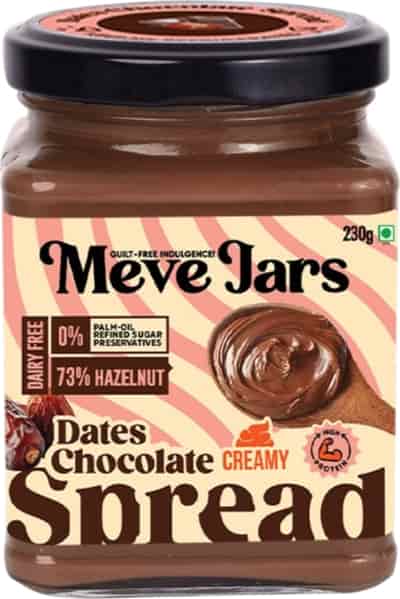
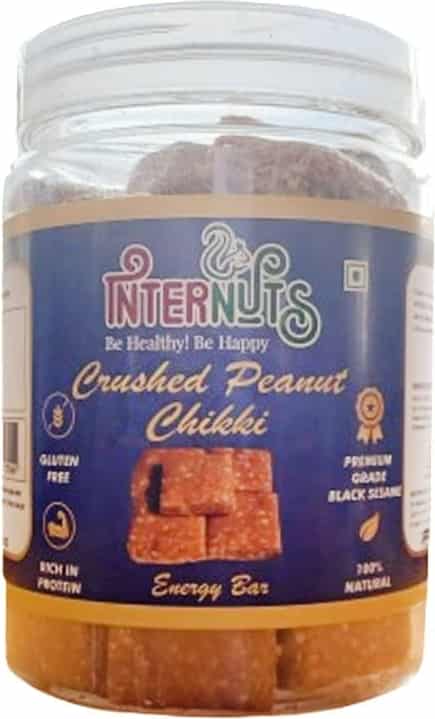
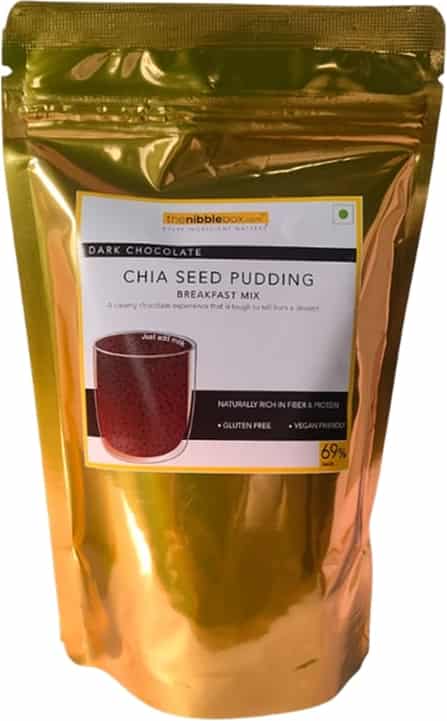

This score rates the ingredient list using our published method and public sources (FSSAI, EFSA, WHO). It is general information, not medical advice, and does not mean the product is unsafe — products sold in India meet FSSAI rules. Recipes change: check the pack in your hand. Brand owner? Write to hello@foodguards.space.