 FoodGuardINDIA
While this kulfi starts with a dairy base, it relies heavily on a long list of stabilizers, artificial colors like INS 102 and 133, and palm oils to achieve its final texture.
Worth a closer look 5
Allowed in India, but better eaten less often.
-
Worth limitingStabilisers (INS 407a) INS 407aSimilar to carrageenan, this seaweed derivative may cause digestive irritation in some consumers.
-
Worth limitingStabilisers (INS 102) INS 102This synthetic yellow dye is linked to hyperactivity in children and allergic reactions.
-
Worth limitingStabilisers (INS 133) INS 133This synthetic blue dye is generally considered safe but may cause allergic reactions in sensitive people.
-
Worth limitingPalm Kernal OilIt is very high in saturated fats, which can negatively impact heart health when consumed in excess.
-
Worth limitingPalm OilIt is high in saturated fats which can negatively impact heart health when consumed in excess.
The rest check out 10
Tap one to see why.
Cream
Cream is a natural dairy product, though it is high in saturated fat and calories.
Butter
While a natural food, it is high in saturated fat and should be consumed in moderation.
Skimmed Milk Powder
It is a concentrated source of milk protein and calcium, though it lacks the fat-soluble vitamins of whole milk.
Emulsifier (INS 471)
These are common fats found in many foods and are harmless.
Emulsifier (INS 433)
This is a common food additive used to mix oil and water, generally considered safe in regulated amounts.
Stabilisers (INS 466)
It is a safe, indigestible plant-based fiber.
Stabilisers (INS 412)
It is a natural fiber derived from the guar bean, used to thicken food.
Stabilisers (INS 415)
It is a natural gum produced by fermenting sugar, commonly used to thicken food.
Stabilisers (INS 410)
It is a natural gum derived from the seeds of the carob tree.
Emulsifier Artificial Vanillin Flavoring Substances
It is a widely used, generally safe emulsifier derived from natural sources like soy or sunflower that helps mix oil and water.
Read more
Higher-scoring options
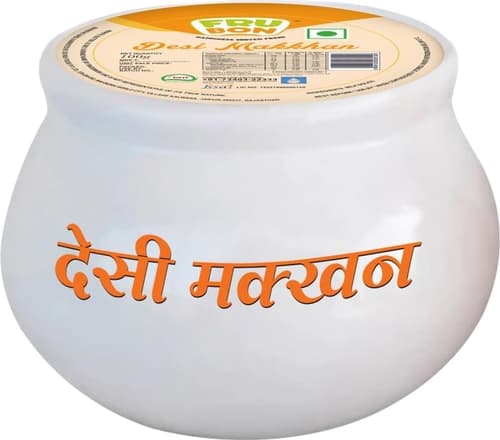
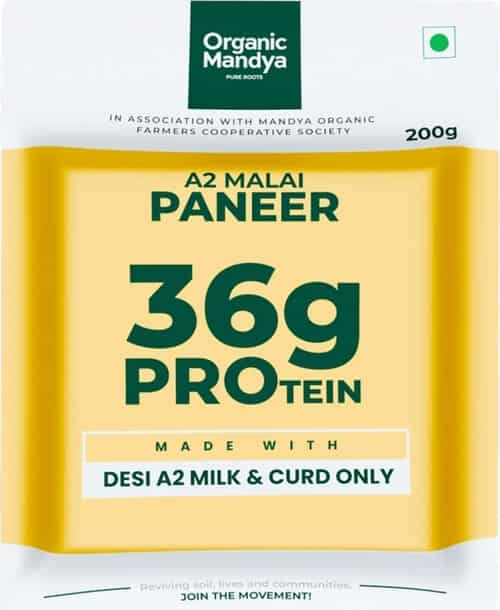
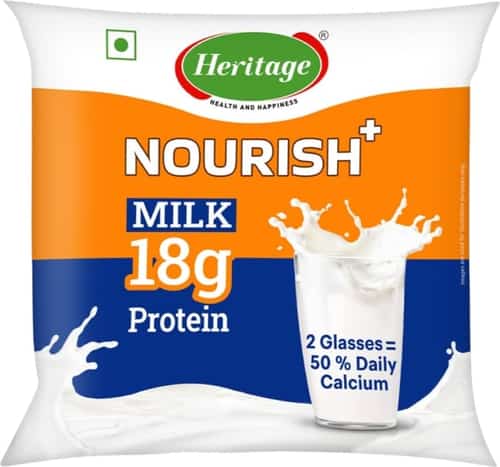
This score rates the ingredient list using our published method and public sources (FSSAI, EFSA, WHO). It is general information, not medical advice, and does not mean the product is unsafe — products sold in India meet FSSAI rules. Recipes change: check the pack in your hand. Brand owner? Write to hello@foodguards.space.