 FoodGuardINDIA
These noodles offer a convenient, flavorful meal, but keep in mind they contain significant salt and vegetable oil. The presence of gluten and lactose also makes this unsuitable for certain dietary needs.
Worth a closer look 2
Allowed in India, but better eaten less often.
-
Worth limitingSaltExcessive intake is linked to high blood pressure and heart disease, making it a nutritional concern.
-
Worth limitingVegetable OilThis is a generic term that often hides highly refined, inflammatory seed oils.
The rest check out 11
Tap one to see why.
Ginger
It is a natural root used for flavor and digestive health.
Chi//i
This is a common spice used for flavoring.
Wheat Flour
Unless specified as 'whole wheat', this is often refined (maida), which lacks fiber and has a high glycemic impact.
Pasteurised Egg
This is a whole food ingredient that has been heat-treated for safety.
Lactose Milk
This is a natural sugar found in milk, though it can cause digestive issues for those with intolerance.
Onion
This is a whole, natural vegetable that provides essential nutrients and fiber.
Red Pepper
This is a whole vegetable used for flavor and nutrition.
Dried Soya Sauce
This is a dehydrated form of soy sauce, often containing high levels of sodium.
Flour
The term 'flour' is ambiguous and usually refers to refined wheat flour (maida) which lacks fiber and nutrients compared to whole grains.
Barley
It is a whole grain that provides fiber and nutrients, making it a healthy ingredient choice.
Coriander Leaf 0.20/o
This is a whole herb used for flavoring.
Higher-scoring options
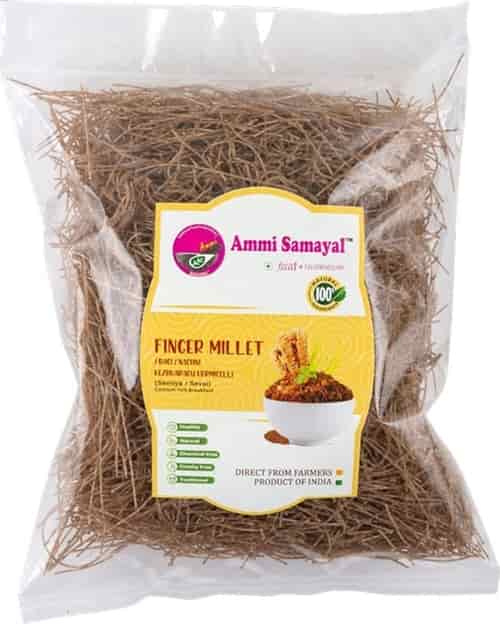
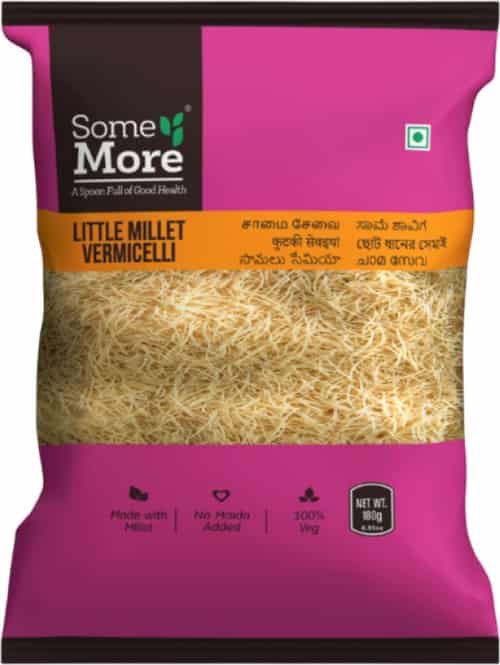
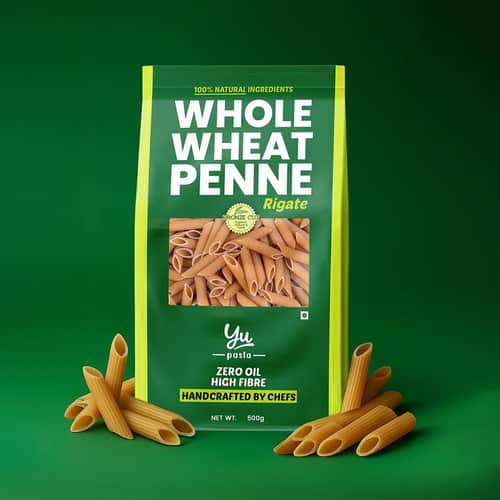
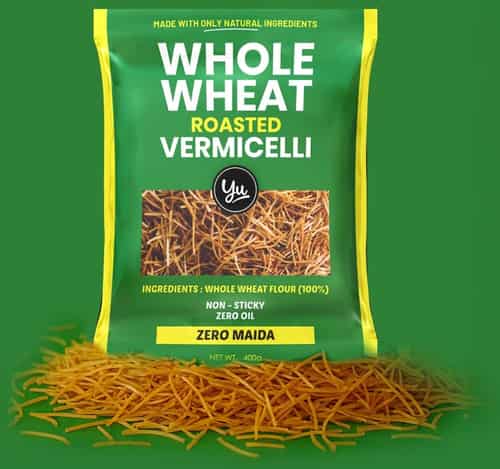
This score rates the ingredient list using our published method and public sources (FSSAI, EFSA, WHO). It is general information, not medical advice, and does not mean the product is unsafe — products sold in India meet FSSAI rules. Recipes change: check the pack in your hand. Brand owner? Write to hello@foodguards.space.