 FoodGuardINDIA
Not the healthiest option on the shelf, but not the worst either — Salt, Sugar, INS 150d are doing a lot of the work here instead of real ingredients.
Worth a closer look 3
Allowed in India, but better eaten less often.
-
Worth limitingSaltExcessive intake is linked to high blood pressure and heart disease, making it a nutritional concern.
-
Worth limitingSugarExcessive consumption is linked to metabolic health issues.
-
Worth limitingINS 150d INS 150dThis caramel color is produced using ammonia and sulfites, which can form potentially harmful byproducts.
The rest check out 8
Tap one to see why.
Water
Water is essential for life and has no negative nutritional impact.
Soya
Soya is a high-quality plant protein, though it is a common allergen.
Wheat
This is a whole grain staple that provides essential fiber and nutrients, making it a healthy base ingredient.
Iodised Salt
Essential for preventing iodine deficiency disorders.
Food Colours - 150a
This is a standard food coloring made by heating carbohydrates, generally considered safe for consumption.
Acidity Regulator - 260
This is simply vinegar, which is a safe and common food ingredient used to control acidity.
Nature Identical Flavouring Substances
These are chemically synthesized to be identical to natural flavors, which is generally safe but indicates a processed product.
Preservative - 202
It is a widely used, safe preservative that prevents mold and yeast growth in packaged foods.
Higher-scoring options
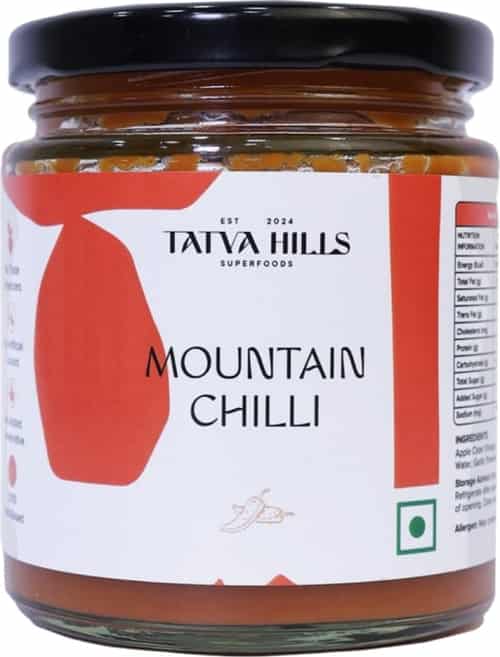

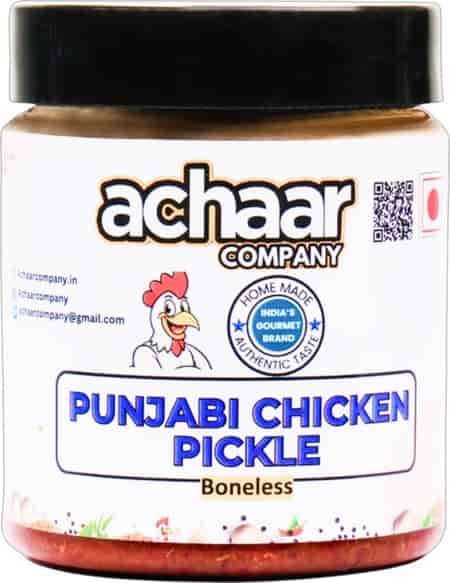
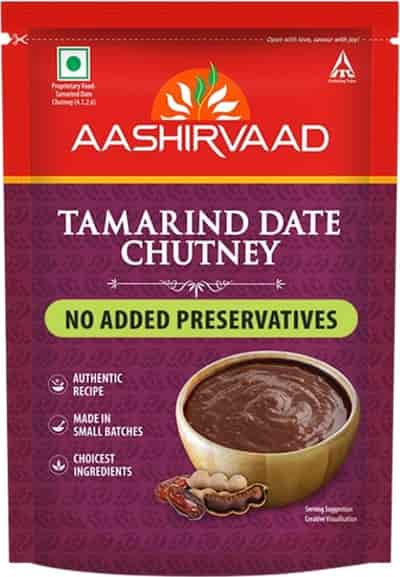
This score rates the ingredient list using our published method and public sources (FSSAI, EFSA, WHO). It is general information, not medical advice, and does not mean the product is unsafe — products sold in India meet FSSAI rules. Recipes change: check the pack in your hand. Brand owner? Write to hello@foodguards.space.