 FoodGuardINDIA
These noodles rely heavily on refined flour (maida), palm oil, and hydrogenated vegetable oils, which significantly lower their nutritional value. It is essentially a highly processed comfort snack rather than a balanced meal.
Worth a closer look 7
Allowed in India, but better eaten less often.
-
Worth limitingInstant Noodles: Refined Wheat Flour MaidaIt is a highly processed grain stripped of fiber and nutrients, leading to rapid blood sugar spikes.
-
Worth limitingPalm Oil/palmoleinIt is high in saturated fats and often highly refined, which can negatively impact heart health when consumed in excess.
-
Worth limitingAntioxidant - 319 INS 319It is a synthetic preservative that has raised safety concerns regarding long-term health effects in high doses.
-
Worth limitingSoup Powder: Refined Wheat Flour MaidaIt is a highly refined carbohydrate stripped of fiber and nutrients, leading to rapid blood sugar spikes.
-
Worth limitingSugarExcessive consumption is linked to metabolic health issues.
-
Worth limitingHydrogenated Vegetable OilThis process can create trans fats, which are strongly linked to heart disease and inflammation.
-
Worth limitingINS 631 INS 631Like other nucleotides, it can increase uric acid levels and should be avoided by those with gout.
The rest check out 23
Tap one to see why.
Iodised Salt
Essential for preventing iodine deficiency disorders.
Wheat Gluten
It is a natural protein found in wheat, generally safe unless you have celiac disease or gluten sensitivity.
Acidity Regulator - 500 I
This is a common food-grade chemical used to control acidity and is generally considered safe for consumption.
Thickener - 415
It is a common food additive used to improve texture and is generally considered safe.
Coriander
This is a whole, natural spice with no negative health impact.
Chilli
This is a whole, natural spice used for flavor and heat.
Cumin
This is a whole, natural spice with beneficial properties.
Turmeric
This is a natural root spice with well-documented health benefits and no safety concerns.
Black Pepper
A natural, healthy spice with antioxidant properties.
Fennel
This is a whole, natural seed used as a spice and digestive aid, posing no health risks.
Fenugreek
This is a natural spice and herb used in traditional cooking.
Clove
This is a whole, natural spice.
Nutmeg
This is a natural, whole-food spice used in small quantities.
Cardamom
A natural, aromatic spice that is completely safe.
Hydrolyzed Vegetable Protein
It is a flavor enhancer often used to mimic savory meat flavors, but it is highly processed and high in sodium.
Carrot
It is a whole vegetable packed with vitamins and antioxidants.
Leeks
This is a whole, natural vegetable that adds flavor and nutrients without negative health impacts.
Onion Powder
This is a dehydrated vegetable used for seasoning and is considered harmless.
Garlic Powder
This is a dehydrated vegetable used for seasoning and is considered harmless.
Flavour Enhancer - 627
It is a flavor enhancer often used with MSG to boost savory taste, generally considered safe.
Acidity Regulator - 330
It is a common, safe additive used to balance acidity and preserve food.
Yeast Extract
It is a natural flavor enhancer, though it is high in sodium.
Anticaking Agent - 551
This is a common mineral additive used to prevent clumping in powdered foods, generally considered safe in the amounts used.
Read more
Higher-scoring options
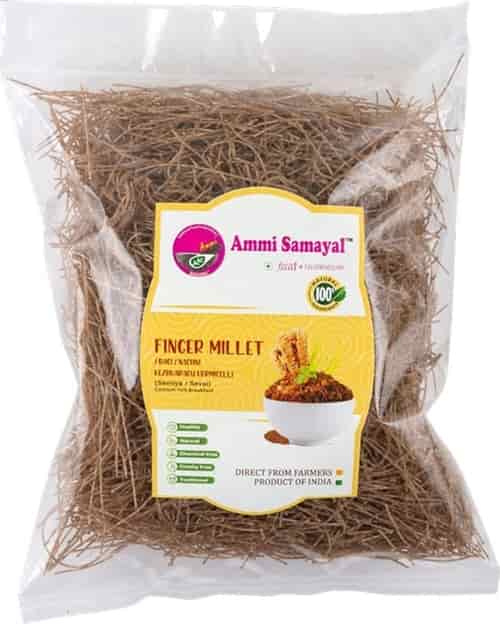
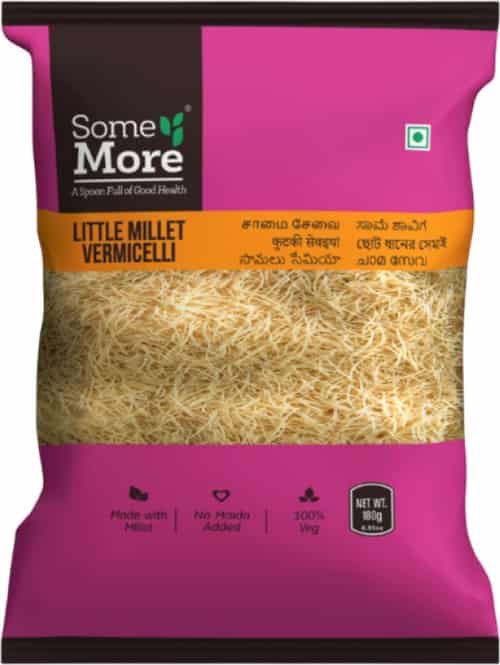
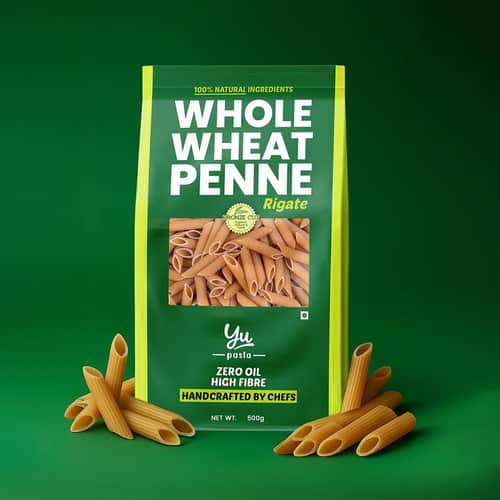
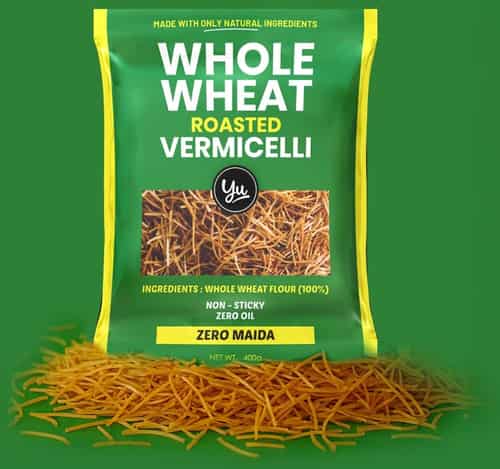
This score rates the ingredient list using our published method and public sources (FSSAI, EFSA, WHO). It is general information, not medical advice, and does not mean the product is unsafe — products sold in India meet FSSAI rules. Recipes change: check the pack in your hand. Brand owner? Write to hello@foodguards.space.