 FoodGuardINDIA
These Kurkure Chaat Fills rely heavily on palm oil, hydrogenated fats, and maltodextrin, resulting in a highly processed snack profile. While they mimic popular Indian street food flavors, the ingredient list is quite long and nutritionally limited.
Worth a closer look 7
Allowed in India, but better eaten less often.
-
Worth limitingPalmoleinIt is a highly refined oil high in saturated fats, which is nutritionally inferior to healthier unsaturated oils.
-
Worth limitingPalm OilIt is high in saturated fats which can negatively impact heart health when consumed in excess.
-
Worth limitingSugarExcessive consumption is linked to metabolic health issues.
-
Worth limitingMaltodextrin INS 1400It is a highly processed carbohydrate that spikes blood sugar levels rapidly, similar to table sugar.
-
Worth limitingColor (INS 150d) INS 150dThis caramel color is produced using ammonia and sulfites, which can form potentially harmful byproducts.
-
Worth limitingHydrogenated Vegetable FatThis is a processed fat often containing trans fats, which are linked to heart disease and inflammation.
-
Worth limitingAdded FlavoursThe term is vague and often masks artificial chemicals used to mimic natural tastes.
The rest check out 22
Tap one to see why.
Corn Meal
While a staple, it is often highly refined and stripped of the germ and bran, reducing its nutritional density.
Rice Meal
It is a processed grain product that lacks the fiber and nutrients found in whole brown rice.
Rice Flour
While generally safe, it is a refined carbohydrate that lacks the fiber and nutrients of whole grains.
Wheat Fibre
It is an insoluble fiber added to increase the fiber content of processed foods, which is generally beneficial.
Milk Solids
A standard dairy-derived ingredient.
Spices
Spices are natural plant-based ingredients that add flavor without significant health risks.
Condiments
This is a vague term that usually refers to a blend of spices, salt, and sugar, which may vary in quality.
Herb
Herbs are whole, natural plant parts that add flavor and nutritional value without processing concerns.
Iodised Salt
Essential for preventing iodine deficiency disorders.
Emulsifier (INS 471)
These are common fats found in many foods and are harmless.
Emulsifier (INS 322)
It is a widely used, generally safe emulsifier derived from natural sources like soy or sunflower that helps mix oil and water.
Acidity Regulator (INS 334)
This is a naturally occurring acid found in grapes and is safe.
Acidity Regulator (INS 330)
This is a natural acid found in citrus fruits and is completely safe.
Acidity Regulator (INS 296)
It is a naturally occurring acid found in many fruits, especially apples, and is safe to consume.
Tamarind Powder
This is a natural, whole-food ingredient derived from the tamarind fruit, providing flavor without negative health impacts.
Natural and Nature Identical Flavouring Substances
These are standard industry additives used to enhance taste, generally recognized as safe by food authorities.
Color (INS 160c)
It is a natural extract from paprika peppers, generally considered safe.
Firming Agent (INS 170(i))
This is a naturally occurring mineral that is generally considered safe for consumption.
Tomato Powder
This is simply dehydrated tomato, which is a whole-food ingredient.
Antioxidant (INS 307)
This is a form of Vitamin E, an essential nutrient that acts as a natural preservative.
Onion
This is a whole, natural vegetable that provides essential nutrients and fiber.
Garlic
This is a whole vegetable used as a natural flavoring agent.
Read more
Palm oil: what it is and what the research says · Maltodextrin: what it is and what the research says
Higher-scoring options
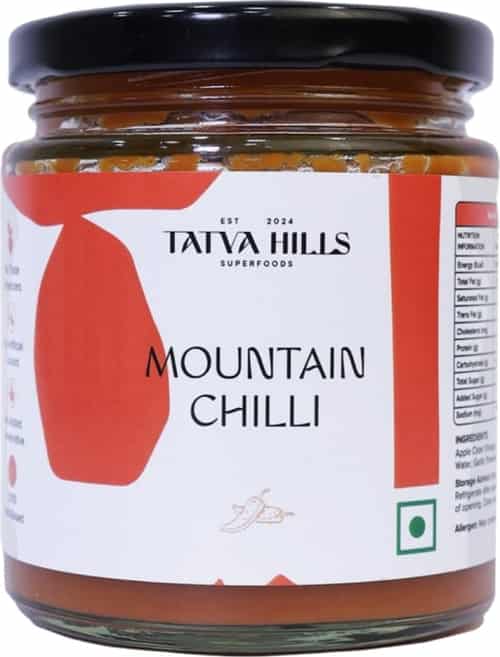

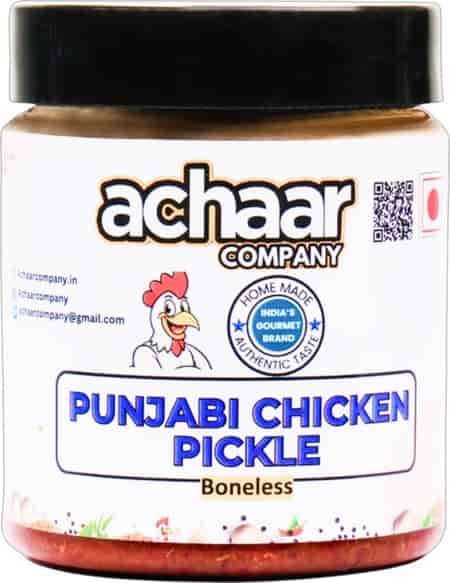
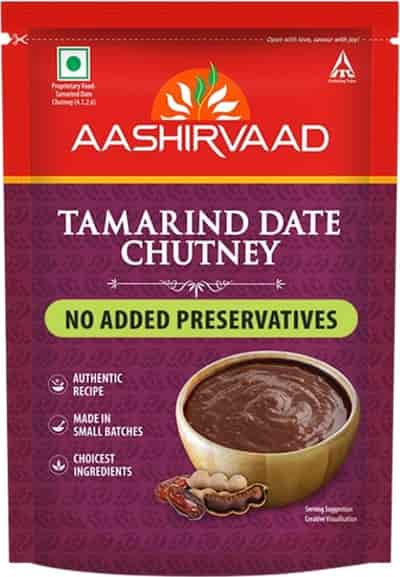
This score rates the ingredient list using our published method and public sources (FSSAI, EFSA, WHO). It is general information, not medical advice, and does not mean the product is unsafe — products sold in India meet FSSAI rules. Recipes change: check the pack in your hand. Brand owner? Write to hello@foodguards.space.