 FoodGuardINDIA
Not the healthiest option on the shelf, but not the worst either — Sugar, Antioxidant Ins 320, “color Ins 150d” are doing a lot of the work here instead of real ingredients.
Worth a closer look 3
Allowed in India, but better eaten less often.
-
Worth limitingSugarExcessive consumption is linked to metabolic health issues.
-
Worth limitingAntioxidant Ins 320 INS 320This is a synthetic preservative that some studies suggest may have potential health risks at high levels, leading to caution.
-
Worth limiting“color Ins 150d” INS 150dThis artificial color is processed with ammonia and sulphites, which can create byproducts of concern in large quantities.
The rest check out 7
Tap one to see why.
Wheat Flour
Unless specified as 'whole wheat', this is often refined (maida), which lacks fiber and has a high glycemic impact.
Wheat Bran
This is a whole, fiber-rich part of the wheat grain that is highly beneficial for digestion.
Cocoa Solid
Cocoa solids are the non-fat component of cocoa beans and are generally considered a healthy, antioxidant-rich ingredient.
Iodized Salt
Essential for preventing iodine deficiency, though total sodium intake should be monitored.
Mlik Solids
Milk solids are a concentrated form of milk nutrients, generally safe but often used to bulk up processed foods.
Vitamins
These are essential nutrients added to fortify foods and improve their nutritional profile.
Minerals
These are essential nutrients added to fortify food products for better health.
Higher-scoring options
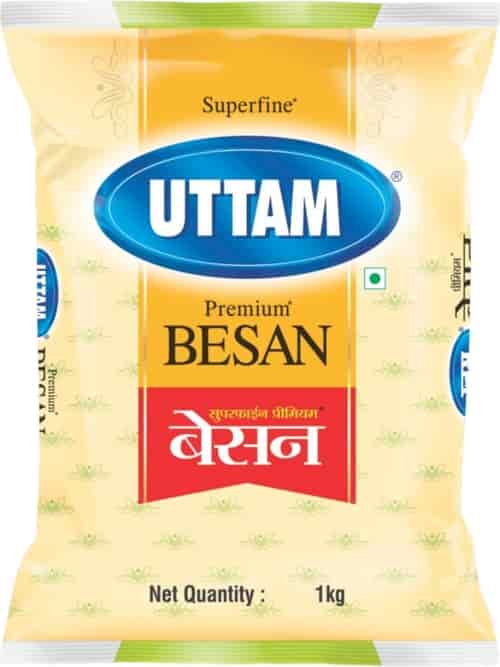
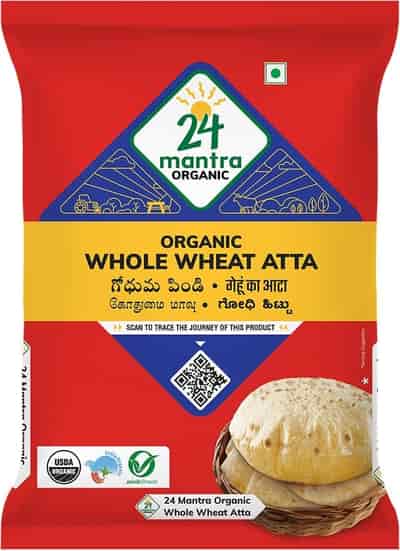
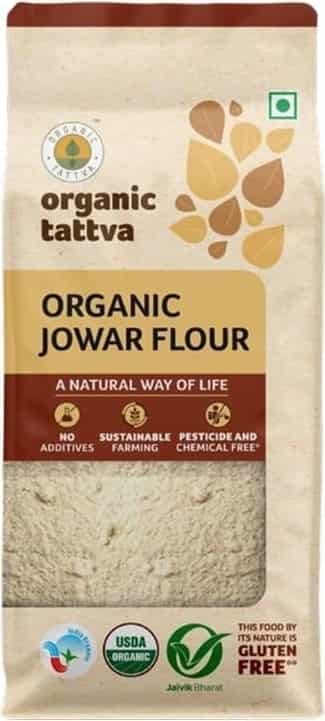
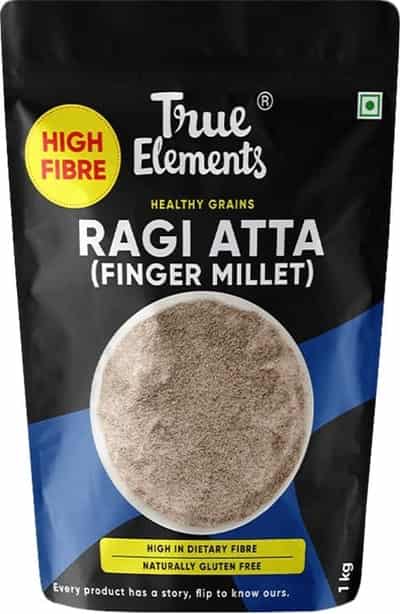
This score rates the ingredient list using our published method and public sources (FSSAI, EFSA, WHO). It is general information, not medical advice, and does not mean the product is unsafe — products sold in India meet FSSAI rules. Recipes change: check the pack in your hand. Brand owner? Write to hello@foodguards.space.