 FoodGuardINDIA
These instant noodles offer a distinct sour and spicy Asam Laksa flavour, but they are highly processed. You'll find plenty of palm oil, salt, and various additives that give this product its shelf-stable profile.
Worth a closer look 6
Allowed in India, but better eaten less often.
-
Worth limitingPalm OilIt is high in saturated fats which can negatively impact heart health when consumed in excess.
-
Worth limitingSaltExcessive intake is linked to high blood pressure and heart disease, making it a nutritional concern.
-
Worth limitingSodium Tripolyphosphate INS 451(i)While permitted, it is a highly processed additive used to retain moisture that some people prefer to avoid in large quantities.
-
Worth limitingSoup Mix SaltThis is essentially high-sodium table salt often used in processed mixes, which contributes to excessive sodium intake.
-
Worth limitingSeasoning Notes Asam Laksa Profile With Sour-spicy SeasoningThis is a complex, highly processed flavor blend that often contains hidden sodium, MSG, and artificial flavor enhancers.
-
Worth limitingSeafood-style Flavour NotesThese are typically artificial or nature-identical flavorings used to simulate seafood taste, often relying on chemical synthesis.
The rest check out 12
Tap one to see why.
Noodle Cake Wheat Flour
This is refined wheat flour (maida), which is stripped of fiber and nutrients, leading to a rapid spike in blood sugar.
Stabilisers
These are additives used to maintain the texture and consistency of processed foods, but they are highly processed.
Potassium Carbonate
It is generally considered safe when used in small amounts to control acidity or texture in food.
Sodium Carbonate
It is a common food additive used to adjust acidity and texture, generally considered safe for consumption.
Potassium Chloride
It is a common salt substitute or firming agent that is generally safe but can be problematic for people with kidney issues.
Monosodium Glutamate
While widely considered safe by regulatory bodies, it is a highly processed flavor enhancer often used to make low-quality foods taste better.
Tapioca Starch
It is a refined carbohydrate used as a thickener that provides calories but lacks significant fiber or nutrients.
Spices Including Chilli
These are natural plant-based ingredients that add flavor without significant health risks.
Turmeric
This is a natural root spice with well-documented health benefits and no safety concerns.
Paprika
Paprika is a natural spice derived from dried peppers and is considered safe for consumption.
Flavourings
This is a vague term that can hide a variety of chemical mixtures, though usually safe.
Soya Components
Soya is a common plant-based protein source, though it is a major allergen.
Read more
Higher-scoring options
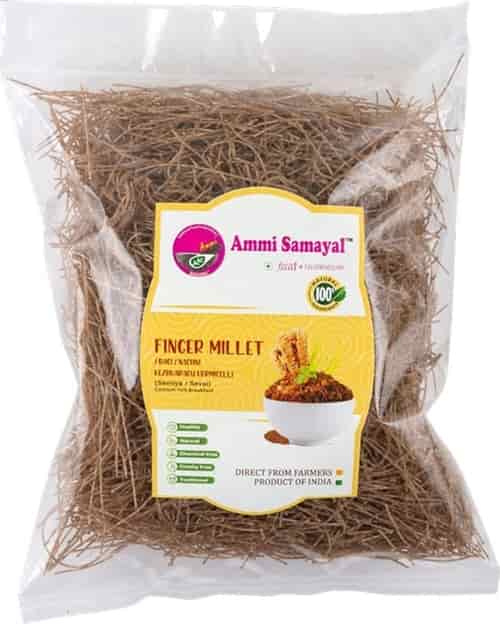
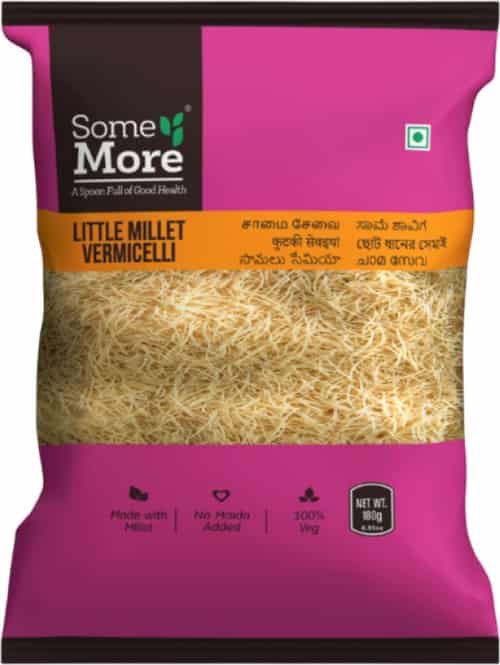
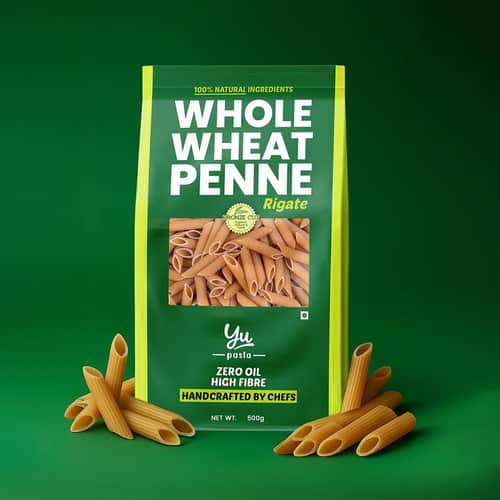
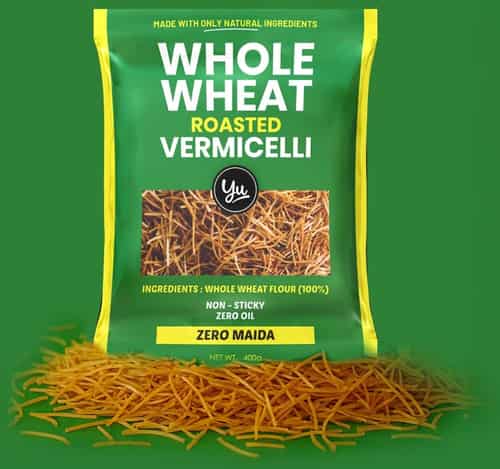
This score rates the ingredient list using our published method and public sources (FSSAI, EFSA, WHO). It is general information, not medical advice, and does not mean the product is unsafe — products sold in India meet FSSAI rules. Recipes change: check the pack in your hand. Brand owner? Write to hello@foodguards.space.