 FoodGuardINDIA
This cup noodle relies heavily on refined wheat flour (maida) and palm oil, while also containing significant salt, sugar, and the flavour enhancer INS 635. It's a highly processed snack rather than a nutritious meal.
Worth a closer look 6
Allowed in India, but better eaten less often.
-
Worth limitingRefined Wheat Flour MaidaThis is a highly processed flour stripped of fiber and nutrients, leading to rapid blood sugar spikes.
-
Worth limitingPalm OilIt is high in saturated fats which can negatively impact heart health when consumed in excess.
-
Worth limitingSaltExcessive intake is linked to high blood pressure and heart disease, making it a nutritional concern.
-
Worth limitingSugarExcessive consumption is linked to metabolic health issues.
-
Worth limitingEdible Vegetable Oil Palm Oil & Corn OilPalm oil is high in saturated fats, which can negatively impact heart health when consumed in excess.
-
Worth limitingFlavour Enhancer (INS 635) INS 635A potent flavor enhancer that can increase uric acid levels, problematic for gout sufferers.
The rest check out 35
Tap one to see why.
Mineral Calcium Carbonate
It is a common mineral used as a firming agent or acidity regulator and is generally considered safe.
Thickeners (INS 412)
It is a natural fiber derived from the guar bean, used to thicken food.
Thickeners (INS 508)
Often used as a salt substitute to reduce sodium content while maintaining flavor.
Humectant (INS 451(i))
It is a common food additive used to retain moisture and texture, generally recognized as safe.
Acidity Regulators (INS 501(i))
Used to adjust acidity and improve the texture of noodles and other starches.
Acidity Regulators (INS 500(i))
Commonly known as soda ash, it is used to control acidity and texture in food.
Acidity Regulators (INS 330)
This is a natural acid found in citrus fruits and is completely safe.
Onion
This is a whole, natural vegetable that provides essential nutrients and fiber.
Garlic Powder
This is a dehydrated vegetable used for seasoning and is considered harmless.
Red Chilli Powder
A natural spice that is safe and adds flavor without negative health impacts.
Cumin Powder
A natural, healthy spice used for flavor.
Coriander Powder
This is a whole, natural spice with no negative health impact.
Turmeric Powder
This is a natural spice known for its anti-inflammatory properties.
Ginger Powder
This is a natural spice with no negative health impact.
Dehydrated Coriander Leaves
This is a whole food ingredient that is simply dried, retaining most of its nutritional profile.
Nutmeg Powder
This is a natural spice, though it should be consumed in moderation due to potency.
Aniseed Powder
This is a natural spice used for flavoring.
Black Pepper Powder
This is a whole, natural spice.
Dehydrated Kasuri Methi Leaves
This is a whole, dried herb used for flavoring.
Fenugreek Powder
This is a natural spice with no negative health impact.
Mace Powder
A natural, whole spice derived from the nutmeg seed covering.
Clove Powder
This is a natural spice with no negative health impact.
Green Cardamom Powder
This is a natural spice with no negative health impact.
Wheat Gluten
It is a natural protein found in wheat, generally safe unless you have celiac disease or gluten sensitivity.
Dehydrated Carrot Flakes
This is simply a dried whole vegetable with no significant health concerns.
Tomato Paste
This is a whole food ingredient that is nutritionally dense and generally healthy.
Anti-caking Agent (INS 551)
It is a common mineral used to keep powders flowing freely and is not absorbed by the body.
Edible Starch
It is a processed carbohydrate used to thicken food, which adds calories without significant nutritional value.
Dehydrated Green Peas
This is a whole food ingredient that is nutritionally beneficial.
Yeast Extract
It is a natural flavor enhancer, though it is high in sodium.
Tamarind Powder
This is a natural, whole-food ingredient derived from the tamarind fruit, providing flavor without negative health impacts.
Celery
This is a whole vegetable ingredient that is nutritious.
Milk
Milk is a natural, nutrient-dense whole food providing protein and calcium.
Sesame
These are whole seeds that provide healthy fats, protein, and essential minerals.
Soybean
Soybeans are a whole food source of plant-based protein and fiber.
Read more
Higher-scoring options
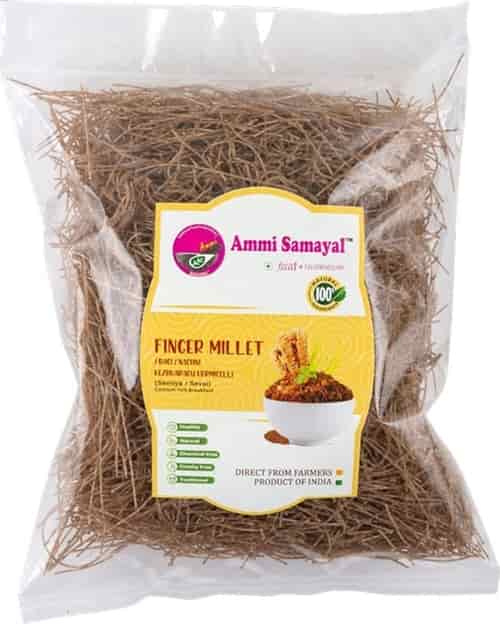
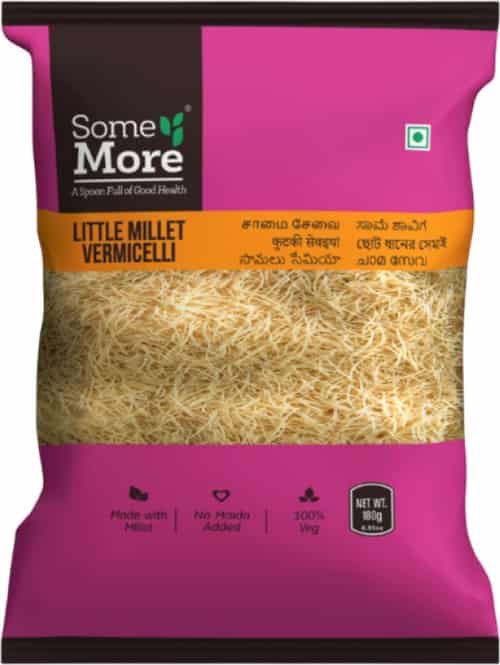
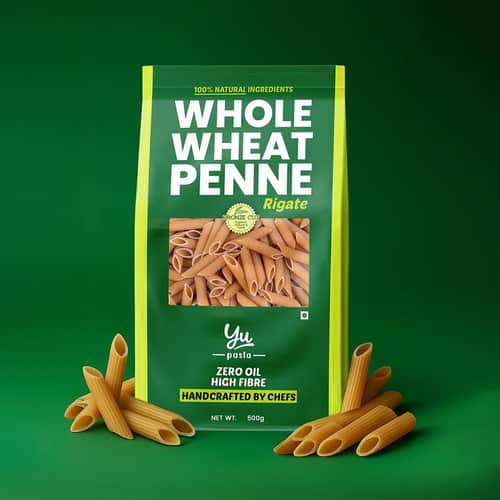
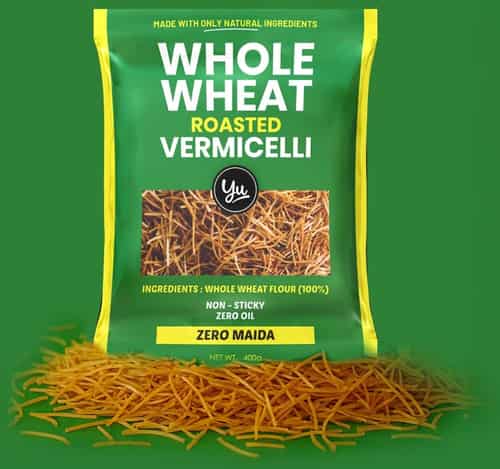
This score rates the ingredient list using our published method and public sources (FSSAI, EFSA, WHO). It is general information, not medical advice, and does not mean the product is unsafe — products sold in India meet FSSAI rules. Recipes change: check the pack in your hand. Brand owner? Write to hello@foodguards.space.