 FoodGuardINDIA
These noodles rely heavily on refined wheat flour (maida) and palm oil, which affects their nutritional balance. You'll also find humectant INS 451 listed, which is commonly used to maintain texture in processed snacks.
Worth a closer look 3
Allowed in India, but better eaten less often.
-
Worth limitingNoodles: Refined Wheat Flour MaidaThis is a highly processed flour stripped of fiber and nutrients, leading to rapid blood sugar spikes.
-
Worth limitingPalm OilIt is high in saturated fats which can negatively impact heart health when consumed in excess.
-
Worth limitingHumectant (INS 451) INS 451While permitted, excessive intake of phosphates can disrupt the body's calcium-phosphorus balance.
The rest check out 6
Tap one to see why.
Lodized Salt
It is a necessary dietary staple, though excessive sodium intake should be avoided.
Wheat Gluten
It is a natural protein found in wheat, generally safe unless you have celiac disease or gluten sensitivity.
Thickeners (INS 508)
Often used as a salt substitute to reduce sodium content while maintaining flavor.
Thickeners (INS 412)
It is a natural fiber derived from the guar bean, used to thicken food.
Acidity Regulators (INS 501)
Used to adjust acidity and improve the texture of noodles and other starches.
Acidity Regulators (INS 500)
These are common food-grade minerals used to control acidity and texture, considered safe.
Read more
Higher-scoring options
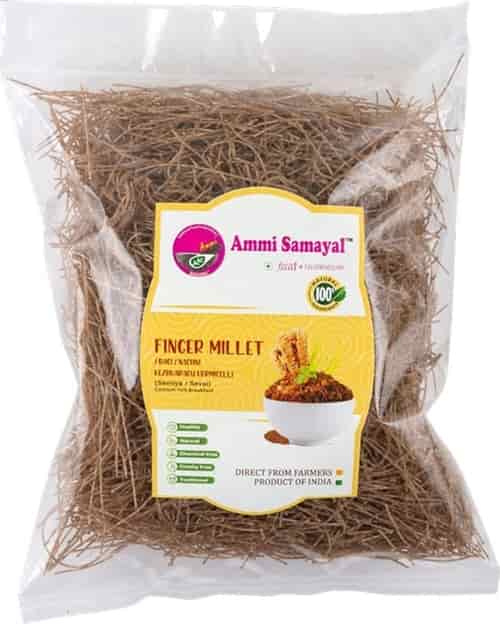
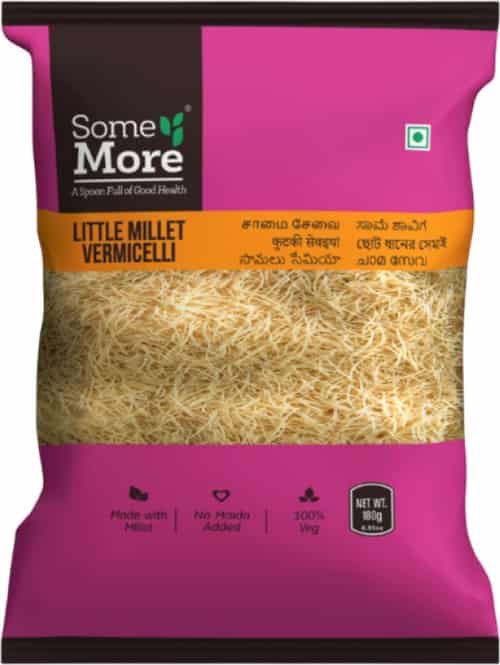
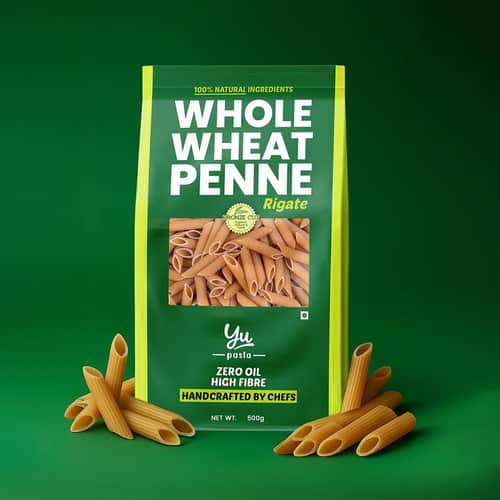
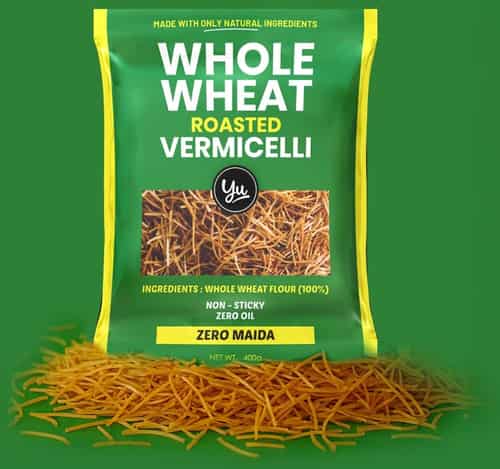
This score rates the ingredient list using our published method and public sources (FSSAI, EFSA, WHO). It is general information, not medical advice, and does not mean the product is unsafe — products sold in India meet FSSAI rules. Recipes change: check the pack in your hand. Brand owner? Write to hello@foodguards.space.