 FoodGuardINDIA
These noodles land in a moderate middle ground, though you might want to keep an eye on the palm oil content. It’s a fairly standard processed option without any major red-flag ingredients.
Worth a closer look 1
Allowed in India, but better eaten less often.
-
Worth limitingNot More Than Palm OilWhile legal, it is high in saturated fats which can negatively impact heart health when consumed in excess.
The rest check out 9
Tap one to see why.
Noodles: Wheat Flour Atta
This is a whole grain staple that provides fiber and essential nutrients, making it a healthy base ingredient.
Iodized Salt
Essential for preventing iodine deficiency, though total sodium intake should be monitored.
Wheat Gluten
It is a natural protein found in wheat, generally safe unless you have celiac disease or gluten sensitivity.
Thickeners (INS 508)
Often used as a salt substitute to reduce sodium content while maintaining flavor.
Thickeners (INS 412)
It is a natural fiber derived from the guar bean, used to thicken food.
Humectants (INS 451(i))
It is a common food additive used to retain moisture and texture, generally recognized as safe.
Humectants (INS 452(i))
Used to retain moisture and texture, but like other phosphates, it should be consumed in moderation.
Acidity Regulators (INS 501(i))
Used to adjust acidity and improve the texture of noodles and other starches.
Acidity Regulators (INS 500(i))
Commonly known as soda ash, it is used to control acidity and texture in food.
Read more
Higher-scoring options
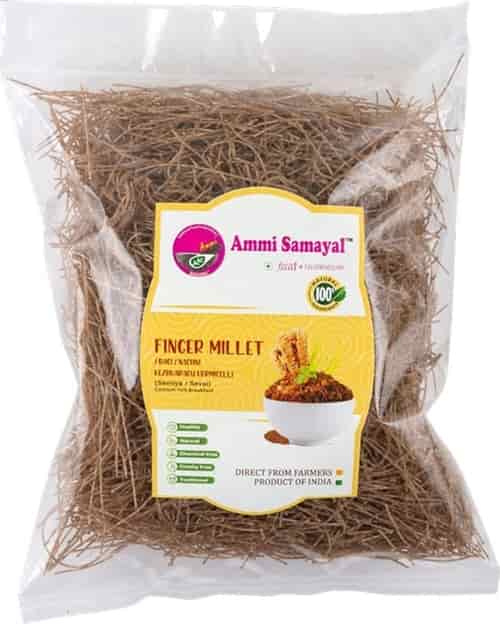
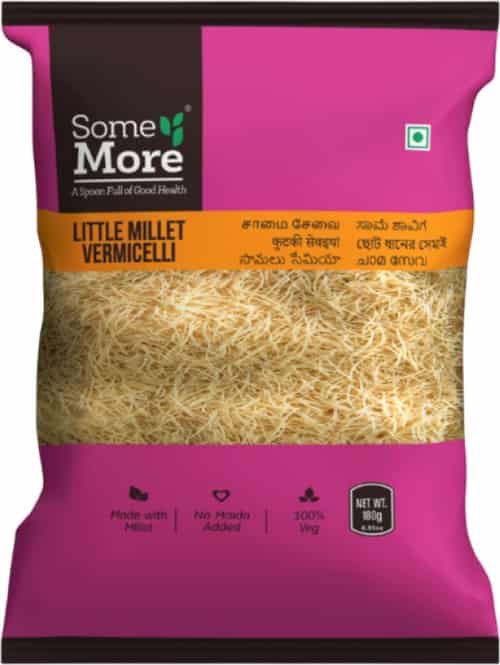
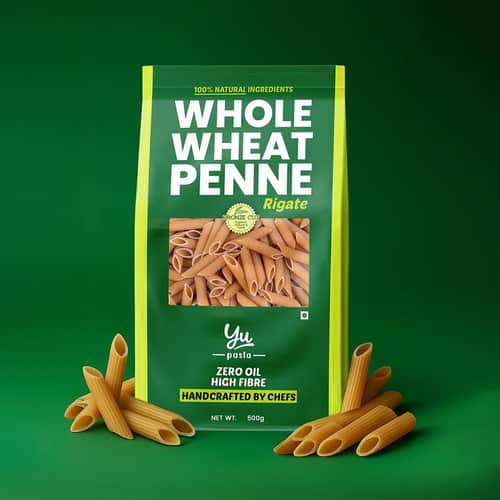
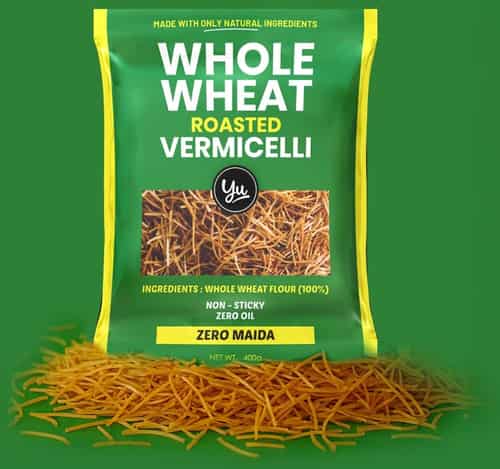
This score rates the ingredient list using our published method and public sources (FSSAI, EFSA, WHO). It is general information, not medical advice, and does not mean the product is unsafe — products sold in India meet FSSAI rules. Recipes change: check the pack in your hand. Brand owner? Write to hello@foodguards.space.