 FoodGuardINDIA
These noodles lean on refined wheat flour (maida) and palm oil, alongside additives like maltodextrin, caramel colors, and flavor enhancers. It's a highly processed snack that's best kept as an occasional treat.
Worth a closer look 8
Allowed in India, but better eaten less often.
-
Worth limitingNoodles : Refined Wheat Flour MaidaThis is a highly processed flour stripped of fiber and nutrients, leading to rapid blood sugar spikes.
-
Worth limitingPalm OilIt is high in saturated fats which can negatively impact heart health when consumed in excess.
-
Worth limitingMaltodextrin INS 1400It is a highly processed carbohydrate that spikes blood sugar levels rapidly, similar to table sugar.
-
Worth limitingSaltExcessive intake is linked to high blood pressure and heart disease, making it a nutritional concern.
-
Worth limitingColor (INS 150c) INS 150cThis caramel color is produced using ammonia and may contain trace contaminants.
-
Worth limitingSugarExcessive consumption is linked to metabolic health issues.
-
Worth limitingFlavour Enhancer (INS 635) INS 635A potent flavor enhancer that can increase uric acid levels, problematic for gout sufferers.
-
Worth limitingColor (INS 150d) INS 150dThis caramel color is produced using ammonia and sulfites, which can form potentially harmful byproducts.
The rest check out 18
Tap one to see why.
Iodized Salt
Essential for preventing iodine deficiency, though total sodium intake should be monitored.
Wheat Gluten
It is a natural protein found in wheat, generally safe unless you have celiac disease or gluten sensitivity.
Thickeners (INS 508)
Often used as a salt substitute to reduce sodium content while maintaining flavor.
Thickeners (INS 412)
It is a natural fiber derived from the guar bean, used to thicken food.
Acidity Regulators (INS 501(i))
Used to adjust acidity and improve the texture of noodles and other starches.
Acidity Regulators (INS 500(i))
Commonly known as soda ash, it is used to control acidity and texture in food.
Humectant (INS 451(i))
It is a common food additive used to retain moisture and texture, generally recognized as safe.
Garlic Powder
This is a dehydrated vegetable used for seasoning and is considered harmless.
Red Chilli Powder
A natural spice that is safe and adds flavor without negative health impacts.
Red Chilli Bits
This is a natural, whole spice ingredient commonly used for flavor and heat.
Black Pepper Powder
This is a whole, natural spice.
Ginger Powder
This is a natural spice with no negative health impact.
Curry Spice Extract Blend
This is a concentrated natural flavouring derived from curry spices, generally considered safe.
Soya Sauce
It is very high in sodium, which can contribute to high blood pressure if consumed in excess.
Starch
It is a common carbohydrate used as a thickener, generally harmless but nutritionally empty.
Acidity Regulator (INS 330)
This is a natural acid found in citrus fruits and is completely safe.
Dehydrated Spring Onion
This is a dried vegetable used as a seasoning, retaining most of its natural properties.
Yeast Extract Powder
It is a natural flavor enhancer often used to provide a savory umami taste, though it is high in sodium.
Read more
Palm oil: what it is and what the research says · Maltodextrin: what it is and what the research says
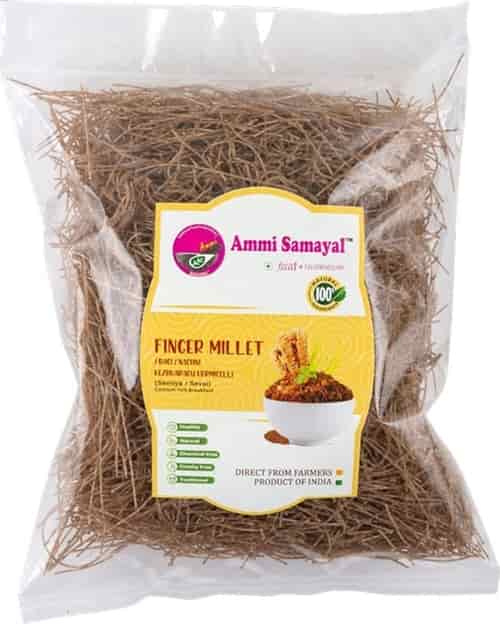
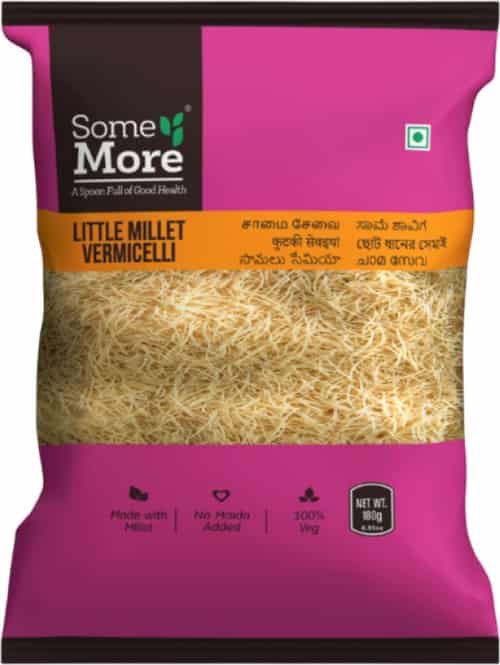
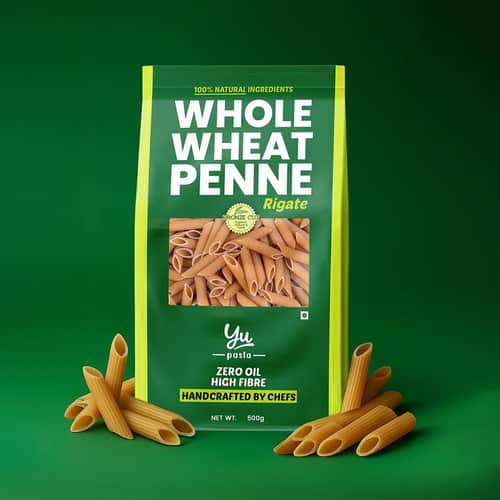
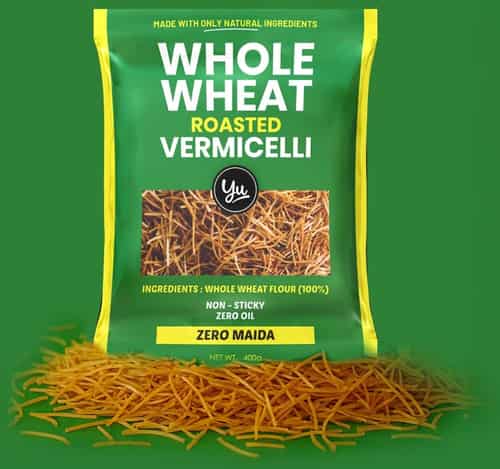
Higher-scoring options
This score rates the ingredient list using our published method and public sources (FSSAI, EFSA, WHO). It is general information, not medical advice, and does not mean the product is unsafe — products sold in India meet FSSAI rules. Recipes change: check the pack in your hand. Brand owner? Write to hello@foodguards.space.