 FoodGuardINDIA
This croissant relies heavily on refined wheat flour (maida) and added sugar for its texture and taste, which pulls down its overall nutritional profile. It's essentially a refined-carb treat rather than a nutrient-dense breakfast choice.
Worth a closer look 2
Allowed in India, but better eaten less often.
-
Worth limitingRefined Wheat Flour MaidaThis is a highly processed flour stripped of fiber and nutrients, leading to rapid blood sugar spikes.
-
Worth limitingSugarExcessive consumption is linked to metabolic health issues.
The rest check out 22
Tap one to see why.
Butter From Cow Milk
It is a natural, traditional dairy fat that is safe to consume in moderation but high in saturated fats.
Water
Water is essential for life and has no negative nutritional impact.
Vital Gluten
It is a concentrated protein extracted from wheat, generally safe but problematic for those with gluten sensitivity.
Humectant (INS 420(ii))
It is a sugar alcohol used as a sweetener and humectant, generally safe but can cause digestive issues in large amounts.
Yeast
This is a natural, harmless microorganism used for fermentation and leavening.
Stabilizer (INS 1420)
This is a modified food starch that is generally considered safe for consumption.
Edible Common Salt
While essential for health, excessive intake is linked to high blood pressure and heart issues.
Flour Treatment Agents (INS 170(i))
This is a naturally occurring mineral that is generally considered safe for consumption.
Flour Treatment Agents (INS 300)
This is Vitamin C, which is essential for health and completely safe.
Amylase
It is a naturally occurring enzyme used to break down starches, commonly used in baking to improve texture.
Xylanase
It is a processing aid used to improve dough texture and is generally considered safe for consumption.
INS 1100(i)
This is a natural enzyme used in baking and is safe.
Malted Barley Flour
It is a natural grain product used to improve dough texture and fermentation, though it contains gluten.
Milk Proteins
This is a natural, high-quality source of protein derived from milk, though it is a common allergen.
Vegetable-based Enzyme Blends
These are generally natural proteins used to improve food texture or processing and are considered safe.
Food Additive (INS 297)
It is a naturally occurring acid found in plants and is safe for consumption.
Preservative (INS 282)
A common preservative used to prevent mold growth in baked goods.
Preservative (INS 200)
It is a widely used and generally safe preservative that prevents mold and yeast growth.
Emulsifier (INS 461)
It is a plant-derived fiber that is not digested by the body.
Emulsifier (INS 471)
These are common fats found in many foods and are harmless.
Emulsifier (INS 472e)
These are safe derivatives of common fats and tartaric acid.
Emulsifier (INS 481(i))
It is a common dough conditioner that helps bread stay soft and fresh for longer.
Higher-scoring options
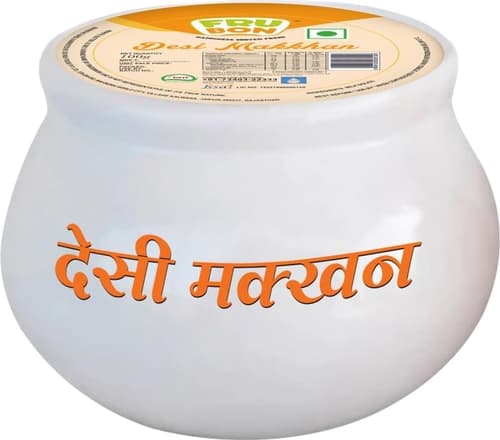
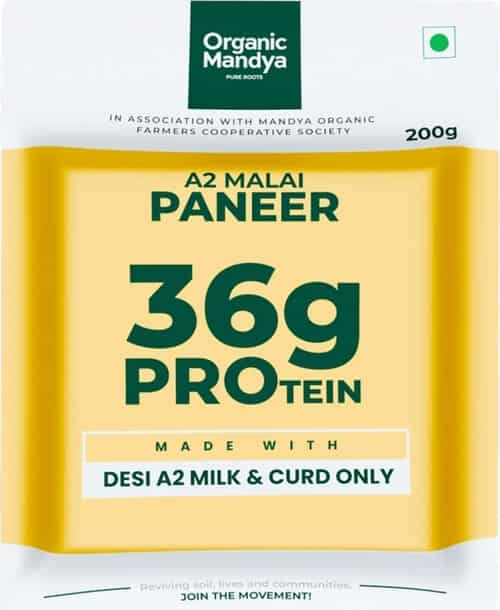
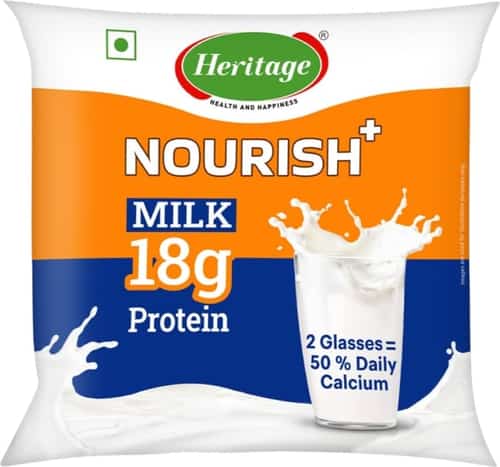
This score rates the ingredient list using our published method and public sources (FSSAI, EFSA, WHO). It is general information, not medical advice, and does not mean the product is unsafe — products sold in India meet FSSAI rules. Recipes change: check the pack in your hand. Brand owner? Write to hello@foodguards.space.