 FoodGuardINDIA
These Osmania-style cookies offer a classic bakery taste, but keep in mind they rely heavily on refined flour, sugar, and synthetic colors like INS 102 and 110. It's a treat best enjoyed in moderation.
Worth a closer look 5
Allowed in India, but better eaten less often.
-
Worth limitingRefined Wheat Flour MaidaThis is a highly processed flour stripped of fiber and nutrients, leading to rapid blood sugar spikes.
-
Worth limitingEdible Vegetable Fat InteresterifiedThis is a highly processed fat that has been chemically restructured to change its melting point and texture, often used as a substitute for trans-fat-heavy partially hydrogenated oils.
-
Worth limitingSugarExcessive consumption is linked to metabolic health issues.
-
Worth limitingFood Colours (INS 102) INS 102This synthetic yellow dye is linked to hyperactivity in children and allergic reactions.
-
Worth limitingFood Colours (INS 110) INS 110This synthetic orange dye is associated with allergic reactions and potential hyperactivity in children.
The rest check out 6
Tap one to see why.
Milk Solids
A standard dairy-derived ingredient.
Corn Flour
Corn flour is a refined starch used as a thickener; it lacks the fiber and nutrients of whole corn.
Iodized Salt
Essential for preventing iodine deficiency, though total sodium intake should be monitored.
Elaichi Powder
This is a natural, whole spice commonly used in Indian cooking and is considered safe and healthy.
Artificial Flavouring Substances
These are synthetic chemicals not found in nature, used to enhance taste in processed foods.
Raising Agent (INS 503(ii))
Commonly used food additive with a long history of safe use.
Higher-scoring options
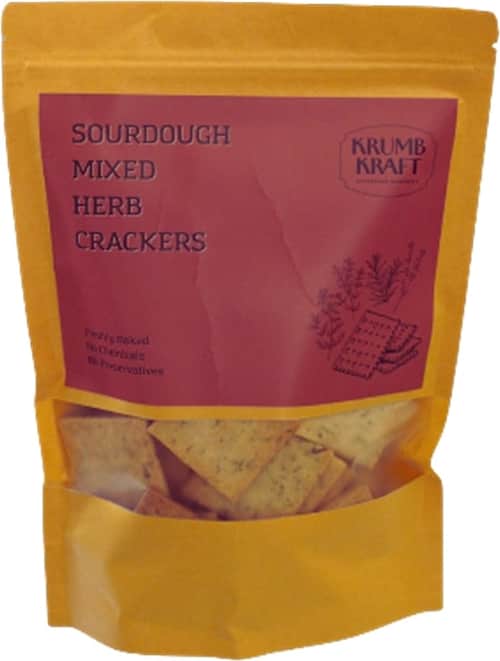
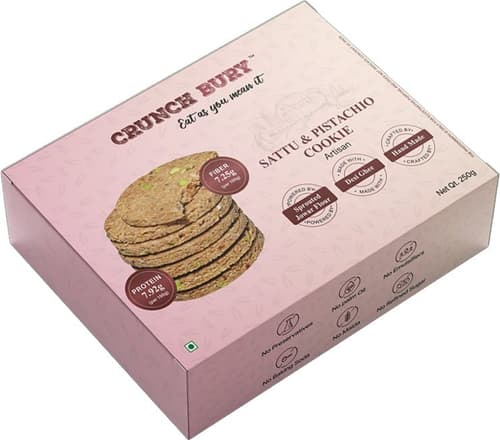
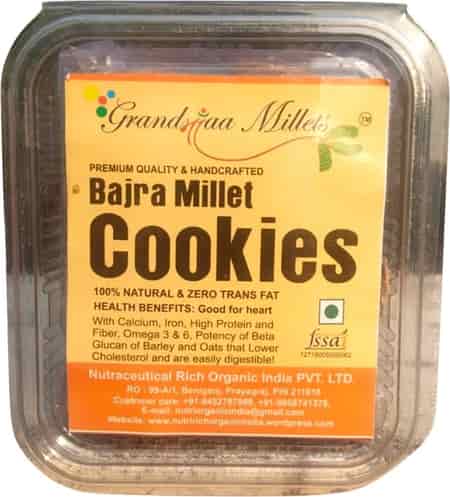
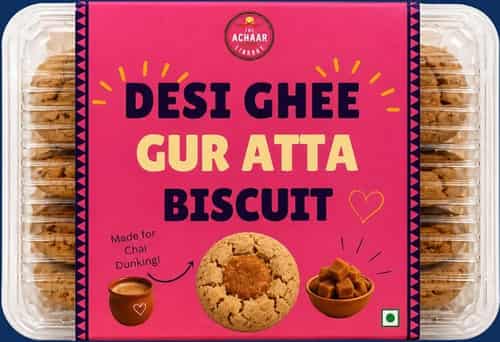
This score rates the ingredient list using our published method and public sources (FSSAI, EFSA, WHO). It is general information, not medical advice, and does not mean the product is unsafe — products sold in India meet FSSAI rules. Recipes change: check the pack in your hand. Brand owner? Write to hello@foodguards.space.