 FoodGuardINDIA
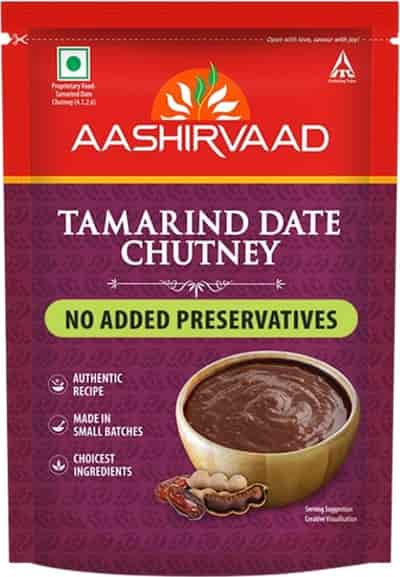
This tamarind sauce packs a punch with its classic tang, though it relies heavily on added sugar and preservatives like INS 211 to maintain that consistent flavour and shelf life.
Worth a closer look 3
Allowed in India, but better eaten less often.
-
Worth limitingSugarExcessive consumption is linked to metabolic health issues.
-
Worth limitingPreservative (INS 211) INS 211Sodium benzoate is a common preservative that can form small amounts of benzene, a carcinogen, when combined with Vitamin C in acidic conditions.
-
Worth limitingClass Ii PreservativeThis is a broad regulatory category for chemical preservatives that are strictly regulated due to potential sensitivities.
The rest check out 8
Tap one to see why.
Water
Water is essential for life and has no negative nutritional impact.
Tomato Paste
This is a whole food ingredient that is nutritionally dense and generally healthy.
Iodised Salt
Essential for preventing iodine deficiency disorders.
Acidifying Agent (INS 260)
This is simply vinegar, which is completely safe for consumption.
Thickening Agents 1422 And 415
These are common food additives used to improve texture, generally considered safe for consumption.
Onion
This is a whole, natural vegetable that provides essential nutrients and fiber.
Mixed Spices
These are natural plant-based ingredients used for flavoring, generally healthy.
Garlic
This is a whole vegetable used as a natural flavoring agent.
Higher-scoring options

This score rates the ingredient list using our published method and public sources (FSSAI, EFSA, WHO). It is general information, not medical advice, and does not mean the product is unsafe — products sold in India meet FSSAI rules. Recipes change: check the pack in your hand. Brand owner? Write to hello@foodguards.space.