 FoodGuardINDIA
These noodles pack a lot of processed ingredients, including refined wheat flour, palm oil, and various forms of sugar like glucose and fructose, alongside hydrolysed vegetable protein and maltodextrin. It's definitely a highly processed, convenience-heavy meal choice.
Worth a closer look 9
Allowed in India, but better eaten less often.
-
Worth limitingNoodles: Refined Wheat FlourThis is highly processed flour stripped of fiber and nutrients, leading to rapid blood sugar spikes.
-
Worth limitingPalm OilIt is high in saturated fats which can negatively impact heart health when consumed in excess.
-
Worth limitingSaltExcessive intake is linked to high blood pressure and heart disease, making it a nutritional concern.
-
Worth limitingColourThe term is generic and often hides synthetic dyes which may cause hyperactivity in children or allergic reactions.
-
Worth limitingSauce: SugarExcessive consumption of added sugar is linked to metabolic issues, obesity, and dental problems.
-
Worth limitingGlucoseIt is a simple sugar that causes rapid spikes in blood glucose levels and provides empty calories.
-
Worth limitingMaltodextrin INS 1400It is a highly processed carbohydrate that spikes blood sugar levels rapidly, similar to table sugar.
-
Worth limitingFructoseIt is a concentrated sugar that can contribute to metabolic issues when consumed in excess.
-
Worth limitingHydrolysed Vegetable ProteinThis is a highly processed flavor enhancer often used to mask low-quality ingredients.
The rest check out 28
Tap one to see why.
Antioxidant
Antioxidants prevent fats from going rancid, extending shelf life; safety depends on whether they are natural or synthetic.
Starch
It is a common carbohydrate used as a thickener, generally harmless but nutritionally empty.
Thickener
This is a generic term for additives used to improve texture, which are generally safe but suggest a processed product.
Acidity Regulators
This is a broad category term for substances used to control the pH level of food, which is generally safe but non-specific.
Kimchi Paste
This is a complex mixture of fermented vegetables and spices, generally considered a whole food ingredient.
Chinese Cabbage
A whole, nutrient-dense vegetable.
Chilli Pepper Powder
It is a natural, whole spice used for heat and flavor.
Garlic
This is a whole vegetable used as a natural flavoring agent.
Rice Flour
While generally safe, it is a refined carbohydrate that lacks the fiber and nutrients of whole grains.
Radish
Radish is a whole, unprocessed vegetable providing fiber and essential nutrients.
Soy
Soy is a plant-based protein source, generally healthy but a common allergen.
Ginger
It is a natural root used for flavor and digestive health.
Rapeseed Oil
It is a common vegetable oil, though often highly refined during processing.
Water
Water is essential for life and has no negative nutritional impact.
Onion
This is a whole, natural vegetable that provides essential nutrients and fiber.
Flavour Enhancers
These additives are designed to make food taste more intense, often encouraging overconsumption of processed foods.
Sesame Oil
It is a natural, traditional cooking oil that is generally considered a healthy source of fats.
Acidity Regulator
These are used to control the pH of food to prevent spoilage or improve taste, generally considered safe.
Chilli Pepper
This is a natural spice used for flavor and contains beneficial compounds like capsaicin.
Black Pepper
A natural, healthy spice with antioxidant properties.
Soy Sauce
It is a traditional fermented condiment, but it is extremely high in sodium.
Yeast Extract
It is a natural flavor enhancer, though it is high in sodium.
Natural Flavouring Substances
Similar to natural flavours, these are derived from natural sources and are generally safe.
Laver
Laver is a nutrient-dense edible seaweed that is naturally harvested and minimally processed.
Emulsifier
This is a broad category term; while generally safe, it often indicates a highly processed food product.
Flakes
This is a generic term usually referring to cereal or vegetable pieces; generally harmless.
Dried Kimchi Flake
These are dehydrated components of kimchi, retaining most of the original nutritional profile.
Dried Bok Choy
This is a dehydrated leafy green vegetable that is a healthy, whole-food ingredient.
Read more
Palm oil: what it is and what the research says · Maltodextrin: what it is and what the research says
Higher-scoring options
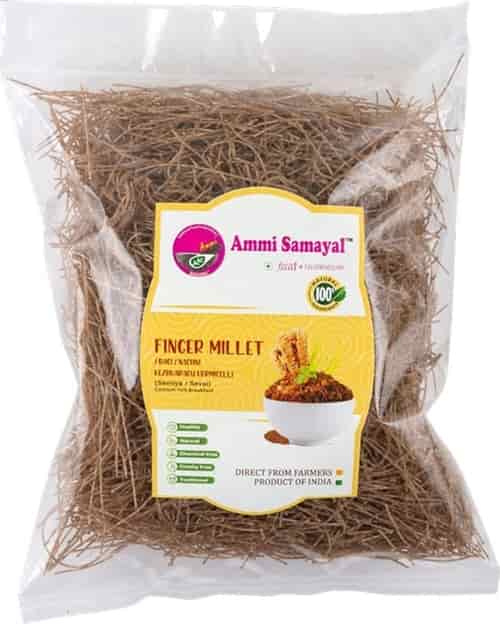
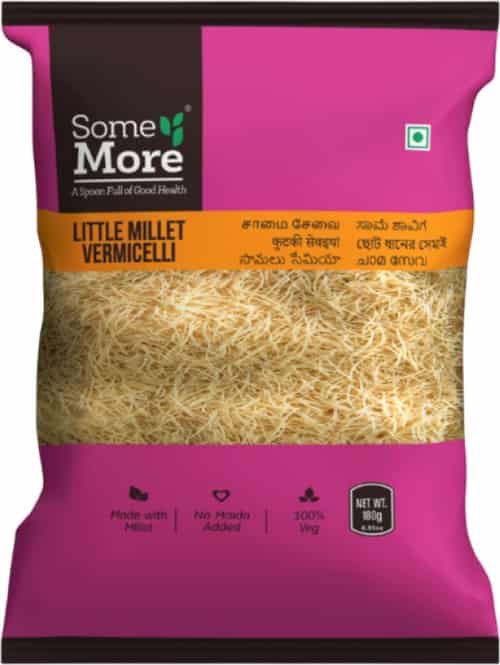
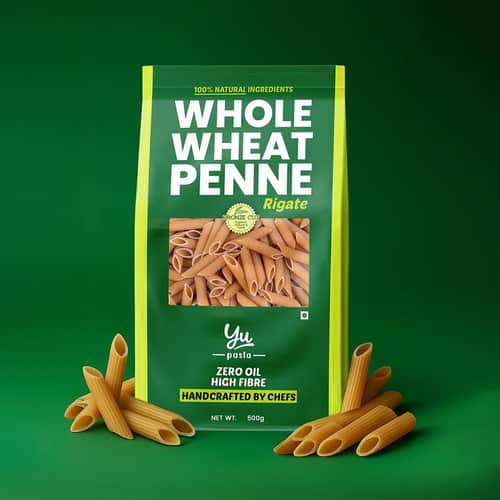
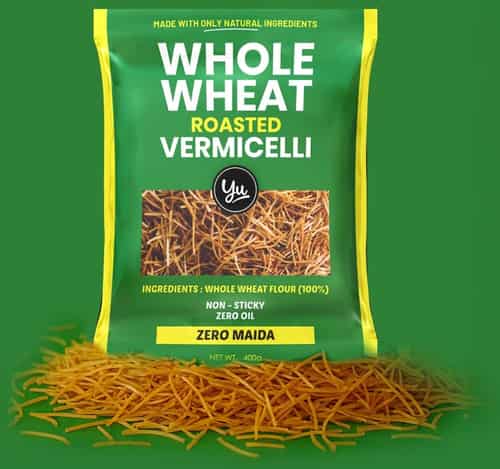
This score rates the ingredient list using our published method and public sources (FSSAI, EFSA, WHO). It is general information, not medical advice, and does not mean the product is unsafe — products sold in India meet FSSAI rules. Recipes change: check the pack in your hand. Brand owner? Write to hello@foodguards.space.