 FoodGuardINDIA
Not the healthiest option on the shelf, but not the worst either — Sugar, Edible Vegetable Oil Palm Oil, Sugar Invert Syrup are doing a lot of the work here instead of real ingredients.
Worth a closer look 5
Allowed in India, but better eaten less often.
-
Worth limitingSugarExcessive consumption is linked to metabolic health issues.
-
Worth limitingEdible Vegetable Oil Palm OilPalm oil is high in saturated fats which can negatively impact heart health when consumed in excess.
-
Worth limitingSugar Invert SyrupIt is a highly processed sweetener that spikes blood sugar levels rapidly, similar to high-fructose corn syrup.
-
Worth limitingSprinkled SugarThis is simply added sugar, which provides empty calories without any nutritional value.
-
Worth limitingDough Conditioner (INS 223) INS 223Like other sulfites, it is a significant allergen that can cause respiratory issues in sensitive consumers.
The rest check out 6
Tap one to see why.
Wheat Flour
Unless specified as 'whole wheat', this is often refined (maida), which lacks fiber and has a high glycemic impact.
Desiccated Coconut Powder
It is a natural, whole food ingredient derived from dried coconut meat.
Raising Agents (INS 503(ii))
Commonly used food additive with a long history of safe use.
Raising Agents (INS 500(ii))
This is standard baking soda, used to help dough rise.
Iodised Salt
Essential for preventing iodine deficiency disorders.
Artificial Flavouring Substances
These are synthetic chemicals not found in nature, used to enhance taste in processed foods.
Read more
Higher-scoring options
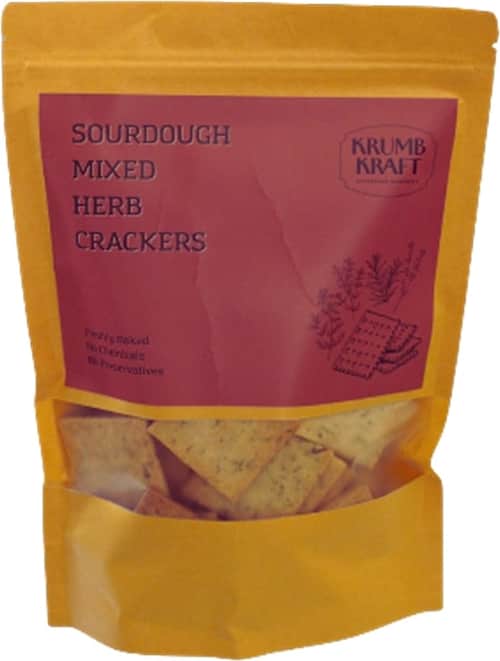

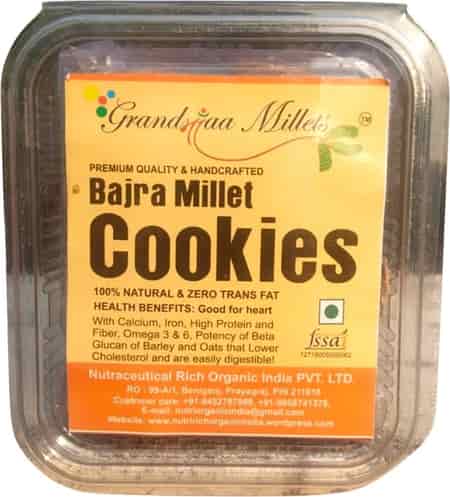

This score rates the ingredient list using our published method and public sources (FSSAI, EFSA, WHO). It is general information, not medical advice, and does not mean the product is unsafe — products sold in India meet FSSAI rules. Recipes change: check the pack in your hand. Brand owner? Write to hello@foodguards.space.