 FoodGuardINDIA
Not the healthiest option on the shelf, but not the worst either — Palm Oil, Palm Olein, Sugar are doing a lot of the work here instead of real ingredients.
Worth a closer look 5
Allowed in India, but better eaten less often.
-
Worth limitingPalm OilIt is high in saturated fats which can negatively impact heart health when consumed in excess.
-
Worth limitingPalm OleinIt is a highly processed vegetable oil high in saturated fats, which can negatively impact heart health.
-
Worth limitingSugarExcessive consumption is linked to metabolic health issues.
-
Worth limitingInvert Sugar SyrupIt is a processed sweetener with similar metabolic impacts to sugar.
-
Worth limitingDough Conditioner (INS 223) INS 223Like other sulfites, it is a significant allergen that can cause respiratory issues in sensitive consumers.
The rest check out 25
Tap one to see why.
Wheat Flour
Unless specified as 'whole wheat', this is often refined (maida), which lacks fiber and has a high glycemic impact.
Butter
While a natural food, it is high in saturated fat and should be consumed in moderation.
Milk Solids
A standard dairy-derived ingredient.
Iodised Salt
Essential for preventing iodine deficiency disorders.
Spices
Spices are natural plant-based ingredients that add flavor without significant health risks.
Chilli
This is a whole, natural spice used for flavor and heat.
Cumin
This is a whole, natural spice with beneficial properties.
Coriander
This is a whole, natural spice with no negative health impact.
Turmeric
This is a natural root spice with well-documented health benefits and no safety concerns.
Ginger
It is a natural root used for flavor and digestive health.
Garlic
This is a whole vegetable used as a natural flavoring agent.
Pepper
This is a natural, whole spice used for seasoning.
Clove
This is a whole, natural spice.
Cinnamon
A natural, safe spice with potential health benefits.
Cardamom
A natural, aromatic spice that is completely safe.
Raising Agents (INS 503(ii))
Commonly used food additive with a long history of safe use.
Raising Agents (INS 500(ii))
This is standard baking soda, used to help dough rise.
Emulsifiers (INS 322(i))
This is a naturally occurring substance found in many foods and is considered safe.
Emulsifiers (INS 471)
These are common fats found in many foods and are harmless.
Emulsifiers (INS 472e)
These are safe derivatives of common fats and tartaric acid.
Yeast
This is a natural, harmless microorganism used for fermentation and leavening.
Acidity Regulators (INS 270)
This is a natural substance produced by the body during exercise and found in fermented foods like yogurt.
Acidity Regulators (INS 330)
This is a natural acid found in citrus fruits and is completely safe.
Improver (INS 1101(i))
This is a natural enzyme used to break down proteins and is safe.
Artificial Flavouring Substances
These are synthetic chemicals not found in nature, used to enhance taste in processed foods.
Read more
Higher-scoring options
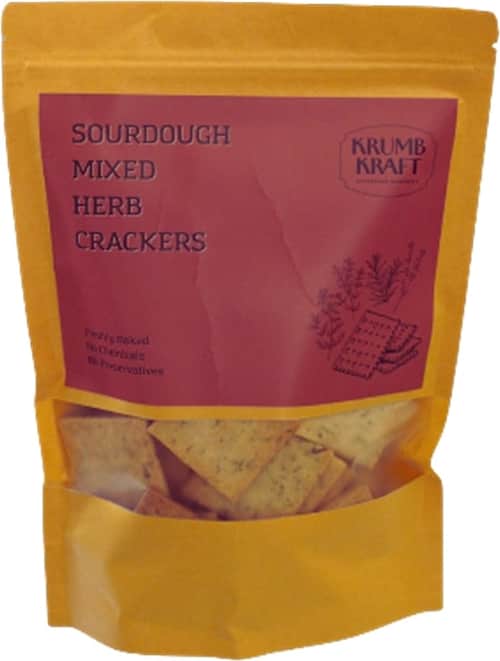

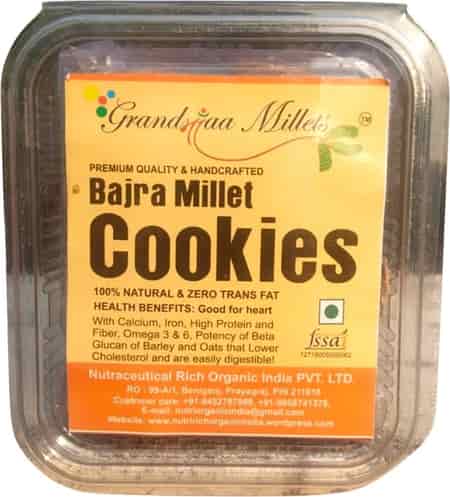

This score rates the ingredient list using our published method and public sources (FSSAI, EFSA, WHO). It is general information, not medical advice, and does not mean the product is unsafe — products sold in India meet FSSAI rules. Recipes change: check the pack in your hand. Brand owner? Write to hello@foodguards.space.