 FoodGuardINDIA
These orange cream biscuits rely heavily on refined flour, sugar, and palm oil for their classic texture and sweetness. They also use artificial colours like INS 129 and 110 to achieve that bright, signature look.
Worth a closer look 6
Allowed in India, but better eaten less often.
-
Worth limitingRefined Wheat Flour MaidaThis is a highly processed flour stripped of fiber and nutrients, leading to rapid blood sugar spikes.
-
Worth limitingSugarExcessive consumption is linked to metabolic health issues.
-
Worth limitingRefined Palm OilHigh in saturated fats and often processed at high temperatures.
-
Worth limitingInvert Sugar SyrupIt is a processed sweetener with similar metabolic impacts to sugar.
-
Worth limitingSynthetic Food Colours (INS 129) INS 129This synthetic red dye is linked to hyperactivity in children and potential allergic reactions.
-
Worth limitingSynthetic Food Colours (INS 110) INS 110This synthetic orange dye is associated with allergic reactions and potential hyperactivity in children.
The rest check out 6
Tap one to see why.
Iodised Salt
Essential for preventing iodine deficiency disorders.
Raising Agents (INS 503(ii))
Commonly used food additive with a long history of safe use.
Raising Agents (INS 500(ii))
This is standard baking soda, used to help dough rise.
Starch
It is a common carbohydrate used as a thickener, generally harmless but nutritionally empty.
Emulsifier Of Vegetable Origin Soy Lecithin
It is a widely used, generally safe food additive derived from soybeans that helps mix oil and water.
Artificial Flavouring Substances
These are synthetic chemicals not found in nature, used to enhance taste in processed foods.
Read more
Higher-scoring options
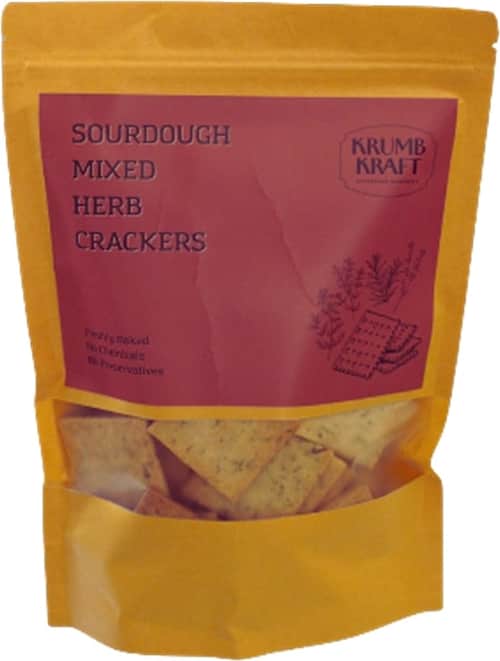

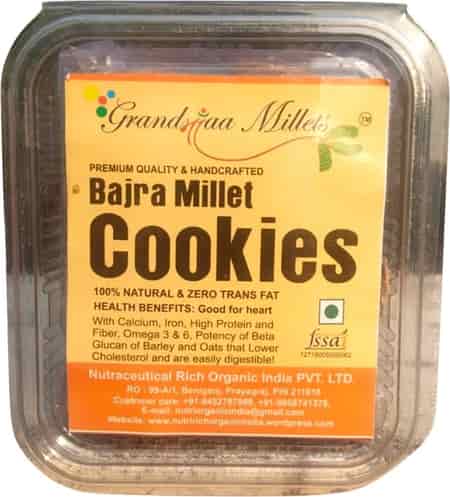

This score rates the ingredient list using our published method and public sources (FSSAI, EFSA, WHO). It is general information, not medical advice, and does not mean the product is unsafe — products sold in India meet FSSAI rules. Recipes change: check the pack in your hand. Brand owner? Write to hello@foodguards.space.