 FoodGuardINDIA
This classic cola packs a significant amount of sugar alongside artificial sweeteners like sucralose and acesulfame-K. It also contains phosphoric acid and caffeine, making it a drink best reserved for occasional indulgence rather than daily refreshment.
Worth a closer look 6
Allowed in India, but better eaten less often.
-
Worth limitingSugarExcessive consumption is linked to metabolic health issues.
-
Worth limitingColouringThis is a vague label term that hides the specific chemical identity of the dye used, which could range from natural to synthetic.
-
Worth limitingPhosphoric Acid INS 338High intake of phosphoric acid is associated with potential bone density loss and kidney issues.
-
Worth limitingFlavourings Contains CaffeineCaffeine is a stimulant that can cause dependency and sleep disruption, especially in children or sensitive individuals.
-
Worth limitingAcesulfame-k INS 950While legally permitted, it is an artificial sweetener that some studies suggest may negatively impact gut health and metabolic processes.
-
Worth limitingSucralose INS 955It is an artificial sweetener that provides intense sweetness without calories but may negatively impact gut health and insulin sensitivity.
The rest check out 4
Tap one to see why.
Carbonated Water
It is simply water infused with carbon dioxide gas to create fizz, which is generally harmless.
Potassium Sorbate
It is a widely used preservative that is generally considered safe for consumption.
Stabiliser
Stabilisers are generally safe additives used to maintain the texture and consistency of processed foods.
Citric Acid
A standard, safe acidity regulator found naturally in citrus fruits.
Higher-scoring options
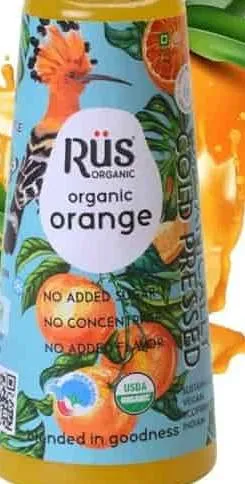
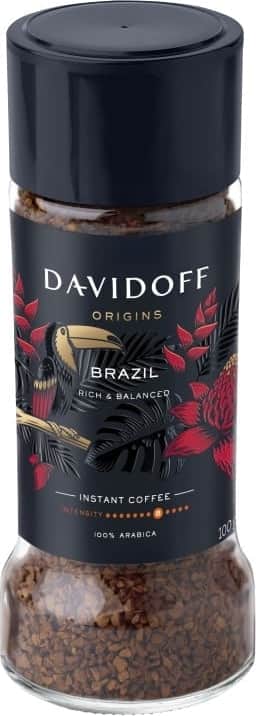
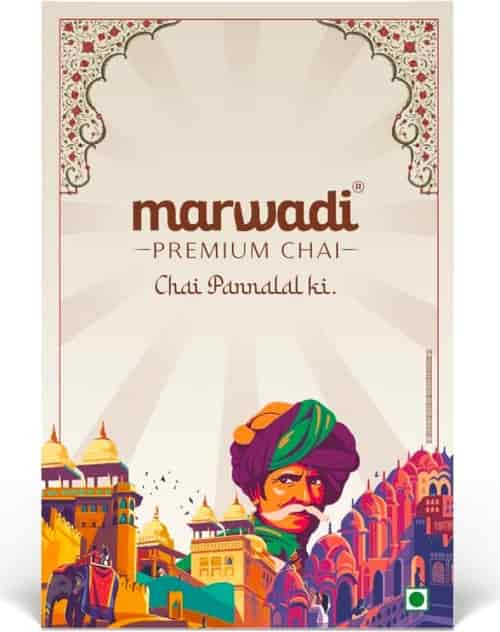
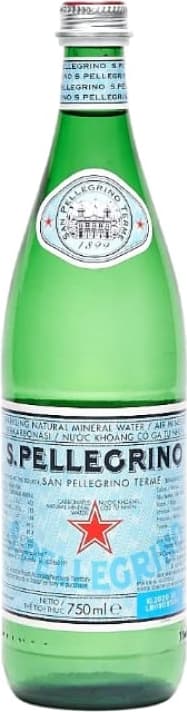
This score rates the ingredient list using our published method and public sources (FSSAI, EFSA, WHO). It is general information, not medical advice, and does not mean the product is unsafe — products sold in India meet FSSAI rules. Recipes change: check the pack in your hand. Brand owner? Write to hello@foodguards.space.