 FoodGuardINDIA
This classic cola relies on a significant amount of sugar for its sweetness, alongside caffeine and phosphoric acid. It's a highly processed beverage that offers empty calories rather than nutritional value.
Worth a closer look 4
Allowed in India, but better eaten less often.
-
Worth limitingSugarExcessive consumption is linked to metabolic health issues.
-
Worth limitingAcidity Regulator (INS 338) INS 338High intake of phosphoric acid can interfere with calcium absorption and bone health.
-
Worth limitingCaffeineIt is a stimulant that can cause sleep disruption, anxiety, and increased heart rate if consumed in excess.
-
Worth limitingNatural Colour (INS 150d) INS 150dThis caramel color is produced using ammonia and sulfites, which can form potentially harmful byproducts.
The rest check out 2
Tap one to see why.
Carbonated Water
It is simply water infused with carbon dioxide gas to create fizz, which is generally harmless.
Natural Flavouring Substances
Similar to natural flavours, these are derived from natural sources and are generally safe.
Higher-scoring options
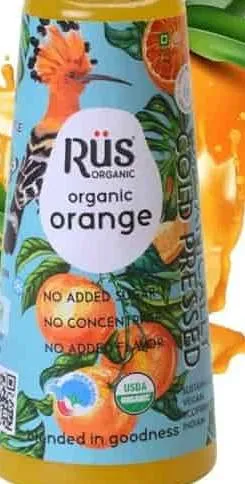
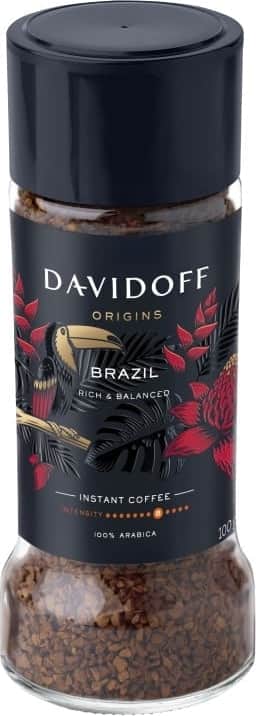
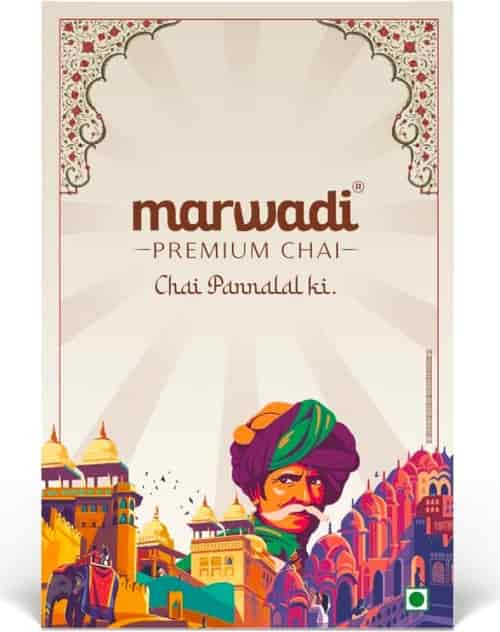
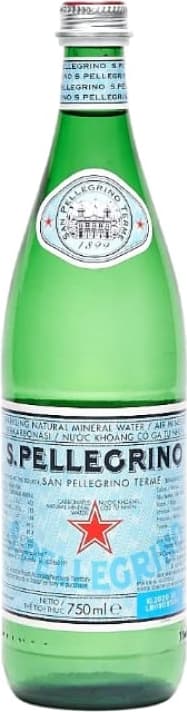
This score rates the ingredient list using our published method and public sources (FSSAI, EFSA, WHO). It is general information, not medical advice, and does not mean the product is unsafe — products sold in India meet FSSAI rules. Recipes change: check the pack in your hand. Brand owner? Write to hello@foodguards.space.