 FoodGuardINDIA
These Pocky sticks are a sweet, crunchy treat, but they rely heavily on sugar, palm oil, and shortening for their texture and flavor. It's a processed snack that's best enjoyed as an occasional pick-me-up.
Worth a closer look 4
Allowed in India, but better eaten less often.
-
Worth limitingSugarExcessive consumption is linked to metabolic health issues.
-
Worth limitingVegetable Fat Palm OilIt is a highly processed fat that is very high in saturated fats, which can negatively impact heart health when consumed in excess.
-
Worth limitingShorteningIt is a highly processed fat often containing trans fats or saturated fats that can negatively impact heart health.
-
Worth limitingFlour Treatment AgentThis is a broad category term that can hide various chemical additives used to bleach or strengthen flour, some of which have safety concerns.
The rest check out 9
Tap one to see why.
Wheat Flour
Unless specified as 'whole wheat', this is often refined (maida), which lacks fiber and has a high glycemic impact.
Lactose
Lactose is a natural milk sugar, though it causes digestive distress for those with lactose intolerance.
Whole Milk Powder
It is a concentrated dairy product that is nutritionally dense but high in saturated fats.
Mango Powder
A natural, dried fruit powder used as a souring agent.
Emulsifiers
Used to improve texture and shelf life; generally safe but often found in highly processed foods.
Raising Agent
These are standard food additives used to make baked goods light and airy, generally considered safe.
Acidity Regulator
These are used to control the pH of food to prevent spoilage or improve taste, generally considered safe.
Natural Colour
These are pigments derived from natural sources like vegetables or minerals, generally considered safe.
Nature-identical And Artificial Flavouring
These are chemically synthesized compounds designed to mimic natural tastes, which are generally safe but offer no nutritional value.
Read more
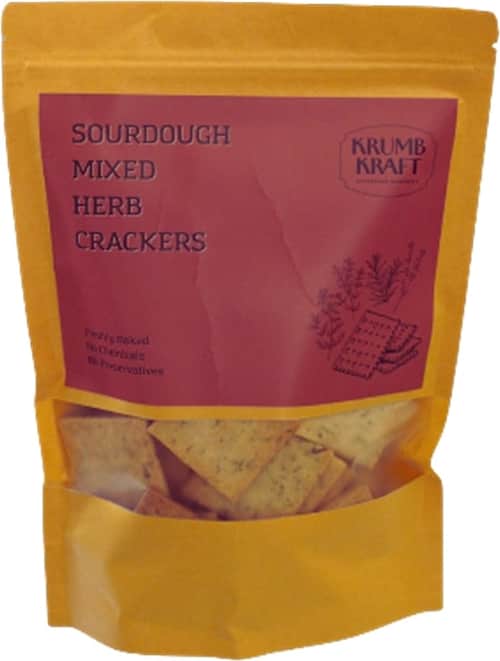
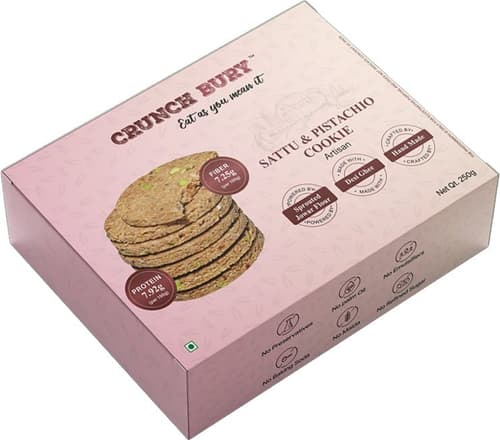
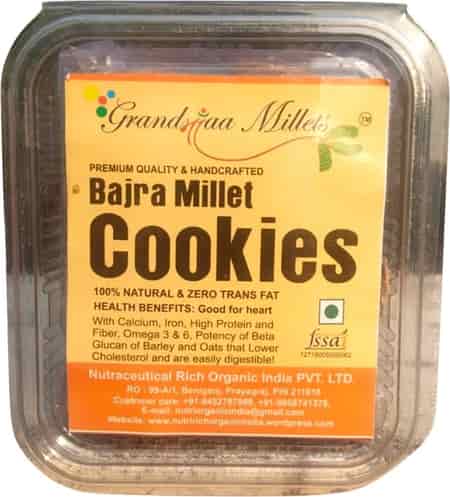
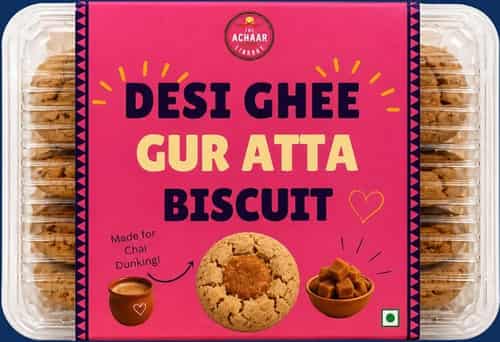
Higher-scoring options
This score rates the ingredient list using our published method and public sources (FSSAI, EFSA, WHO). It is general information, not medical advice, and does not mean the product is unsafe — products sold in India meet FSSAI rules. Recipes change: check the pack in your hand. Brand owner? Write to hello@foodguards.space.