 FoodGuardINDIA
Not the healthiest option on the shelf, but not the worst either — Glucose, Caffeine, Flavours Natural And Artificial are doing a lot of the work here instead of real ingredients.
Worth a closer look 3
Allowed in India, but better eaten less often.
-
Worth limitingGlucoseIt is a simple sugar that causes rapid spikes in blood glucose levels and provides empty calories.
-
Worth limitingCaffeineIt is a stimulant that can cause sleep disruption, anxiety, and increased heart rate if consumed in excess.
-
Worth limitingFlavours Natural And ArtificialThis is a vague catch-all term that hides the specific chemical composition of the flavorings used.
The rest check out 11
Tap one to see why.
Water
Water is essential for life and has no negative nutritional impact.
Sucrose
It is standard table sugar, which provides empty calories and can spike blood sugar levels if consumed in excess.
Acidulant Citric Acid
It is a common acid found naturally in citrus fruits used to balance flavor and preserve food.
Carbon Dioxide
It is a harmless gas used to create carbonation in beverages.
Taurine
It is an amino acid naturally produced by the body and found in many foods, generally safe in standard amounts.
Acidity Regulator Sodium Citrate
It is a common, safe salt used to control acidity and improve texture in processed foods.
Caramel
While generally safe, it is a processed additive used purely for aesthetic appeal rather than nutritional value.
Beta-apo-8'-carotenal
It is a synthetic version of a pigment found naturally in citrus fruits, used to provide an orange-red color.
Glycerol Ester Of Wood Rosin
It is used to keep oils and flavors evenly distributed in beverages, preventing separation.
Sucrose Acetate Isobutyrate
It is used to adjust the density of oils in beverages so they stay suspended rather than floating to the top.
Niacin
This is an essential B-vitamin often added to fortify processed foods.
Higher-scoring options
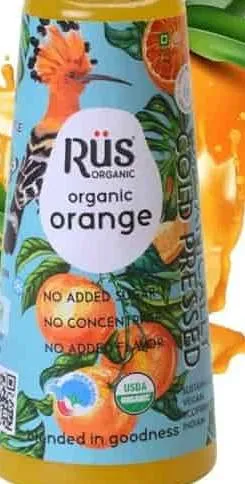
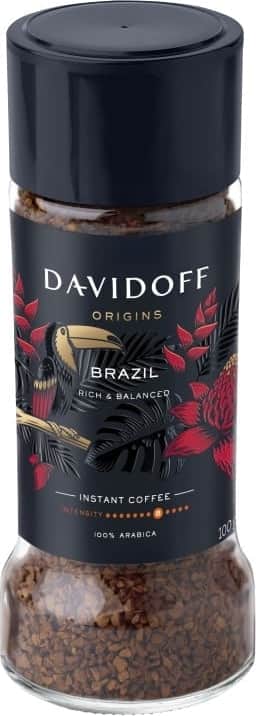
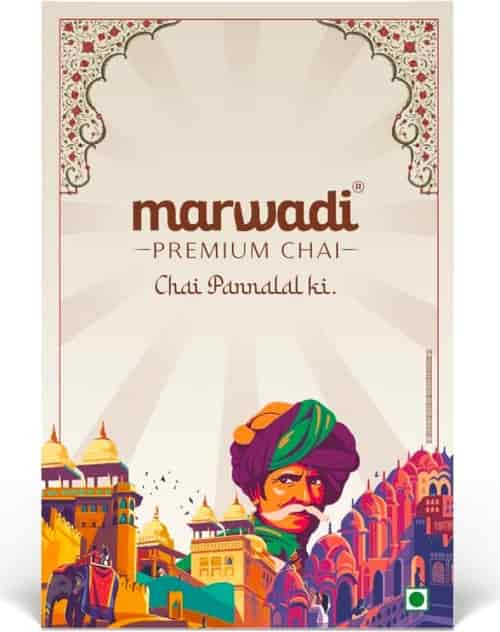
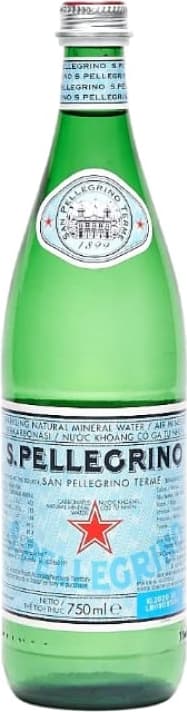
This score rates the ingredient list using our published method and public sources (FSSAI, EFSA, WHO). It is general information, not medical advice, and does not mean the product is unsafe — products sold in India meet FSSAI rules. Recipes change: check the pack in your hand. Brand owner? Write to hello@foodguards.space.