 FoodGuardINDIA
These noodles have a middling score due to a lengthy ingredient list that includes sugar, hydrolysed vegetable protein, maltodextrin, colour INS 150d, and flavour enhancers INS 627 and 631.
Worth a closer look 6
Allowed in India, but better eaten less often.
-
Worth limitingSugarExcessive consumption is linked to metabolic health issues.
-
Worth limitingHydrolysed Vegetable ProteinThis is a highly processed flavor enhancer often used to mask low-quality ingredients.
-
Worth limitingMaltodextrin INS 1400It is a highly processed carbohydrate that spikes blood sugar levels rapidly, similar to table sugar.
-
Worth limitingFlavour Enhancers (INS 627) INS 627It is often used with MSG to boost savory flavor; people with gout should avoid it.
-
Worth limitingFlavour Enhancers (INS 631) INS 631Like other nucleotides, it can increase uric acid levels and should be avoided by those with gout.
-
Worth limitingColour (INS 150d) INS 150dThis caramel color is produced using ammonia and sulfites, which can form potentially harmful byproducts.
The rest check out 22
Tap one to see why.
Rings Noodles: Oat Flour
Oat flour is a whole grain ingredient that provides fiber and nutrients, making it a healthy choice.
Semolina
It is a refined wheat product that lacks the fiber and nutrients of whole grains, leading to a faster spike in blood sugar.
Edible Vegetable Oil Refined Rice Bran Oil
While generally safe, it is a highly processed oil that lacks the fiber and micronutrients of whole foods.
Wheat Gluten
It is a natural protein found in wheat, generally safe unless you have celiac disease or gluten sensitivity.
Lodised Salt
It is a necessary dietary staple fortified to prevent iodine deficiency, though total sodium intake should be monitored.
Stabilizers (INS 170(i))
This is a naturally occurring mineral that is generally considered safe for consumption.
Yummy Masala Mix : Spices
This is a blend of natural spices which are generally healthy and add flavor without significant health risks.
Onion
This is a whole, natural vegetable that provides essential nutrients and fiber.
Cumin
This is a whole, natural spice with beneficial properties.
Turmeric
This is a natural root spice with well-documented health benefits and no safety concerns.
Clove
This is a whole, natural spice.
Onions
This is a fresh, whole vegetable with high nutritional value.
Carrots
This is a whole vegetable rich in vitamins and fiber.
Starch
It is a common carbohydrate used as a thickener, generally harmless but nutritionally empty.
Milk Solids
A standard dairy-derived ingredient.
Anticaking Agent (INS 551)
It is a common mineral used to keep powders flowing freely and is not absorbed by the body.
Thickener (INS 414)
It is a natural sap from the acacia tree used to stabilize food textures.
Natural
The term 'natural' on a label usually refers to natural flavoring substances, which are generally safe but vague.
Nature-identical Flavouring Substances
These are chemically synthesized substances that are identical to those found in nature, making them safe but nutritionally neutral.
Allergen Information: Contains Gluten Wheat
Wheat is a common allergen and refined wheat products are often stripped of fiber, impacting blood sugar levels.
Milk
Milk is a natural, nutrient-dense whole food providing protein and calcium.
Soy
Soy is a plant-based protein source, generally healthy but a common allergen.
Read more
Higher-scoring options
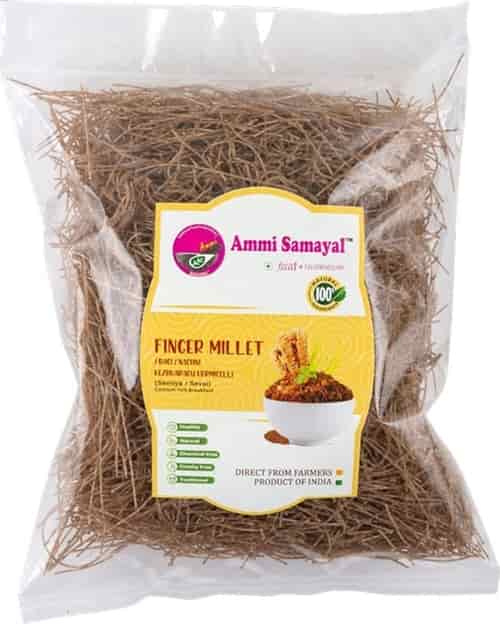
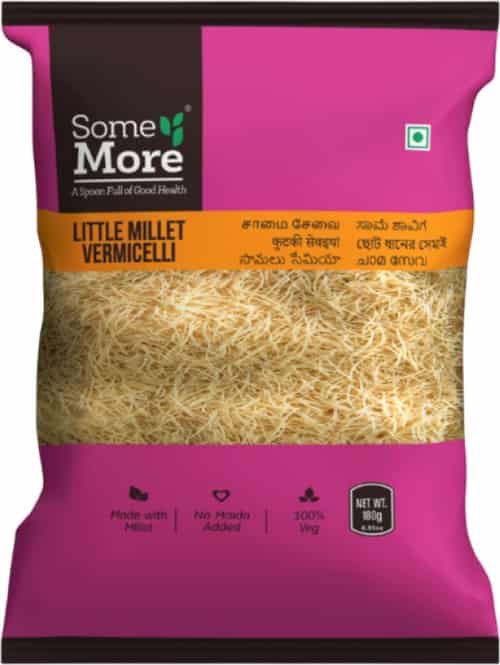
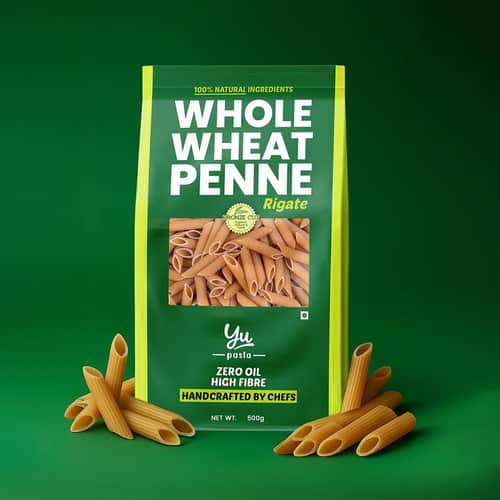
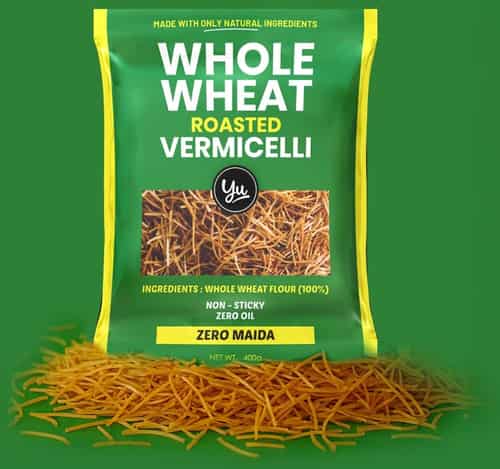
This score rates the ingredient list using our published method and public sources (FSSAI, EFSA, WHO). It is general information, not medical advice, and does not mean the product is unsafe — products sold in India meet FSSAI rules. Recipes change: check the pack in your hand. Brand owner? Write to hello@foodguards.space.