 FoodGuardINDIA
This one leans heavily processed — Refined Wheat Flour Maida, Sugar, Refined Palm Oil are doing a lot of the work here instead of real ingredients.
Worth a closer look 5
Allowed in India, but better eaten less often.
-
Worth limitingRefined Wheat Flour MaidaThis is a highly processed flour stripped of fiber and nutrients, leading to rapid blood sugar spikes.
-
Worth limitingSugarExcessive consumption is linked to metabolic health issues.
-
Worth limitingRefined Palm OilHigh in saturated fats and often processed at high temperatures.
-
Worth limitingFlour Treatment Agent (INS 223) INS 223Like other sulfites, it is a significant allergen that can cause respiratory issues in sensitive consumers.
-
Worth limitingColour (INS 150d) INS 150dThis caramel color is produced using ammonia and sulfites, which can form potentially harmful byproducts.
The rest check out 10
Tap one to see why.
Invert Syrup
It is a concentrated sugar source that provides empty calories without nutritional value.
Milk Solids
A standard dairy-derived ingredient.
Raising Agents (INS 503(ii))
Commonly used food additive with a long history of safe use.
Raising Agents (INS 500(ii))
This is standard baking soda, used to help dough rise.
Iodized Salt
Essential for preventing iodine deficiency, though total sodium intake should be monitored.
Lecithin From Soyabean
It is a standard food additive used to improve texture and shelf life, generally considered safe.
Diacetyltartaric
This is a common food additive used to improve the texture and structure of dough.
Nature Identical Flavouring Substances
These are chemically synthesized to be identical to natural flavors, which is generally safe but indicates a processed product.
Arrowroot
Arrowroot is a natural, gluten-free starch derived from the root of a tropical plant, generally considered a healthy alternative to refined starches.
Artificial Flavouring Substances
These are synthetic chemicals not found in nature, used to enhance taste in processed foods.
Read more
Higher-scoring options
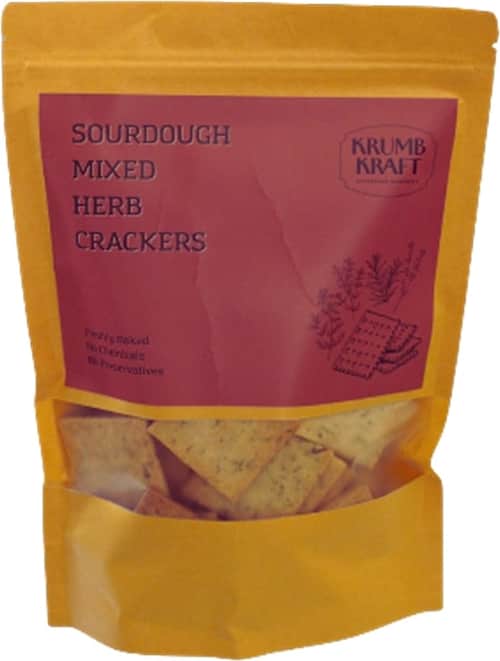
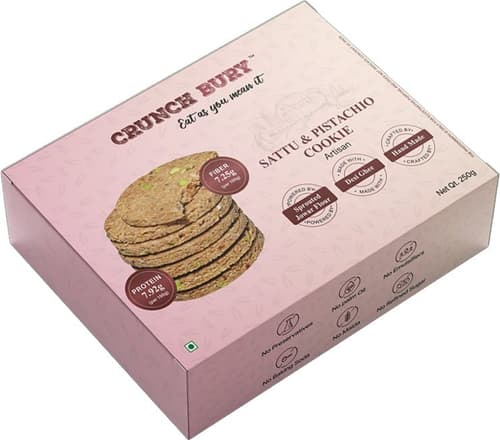
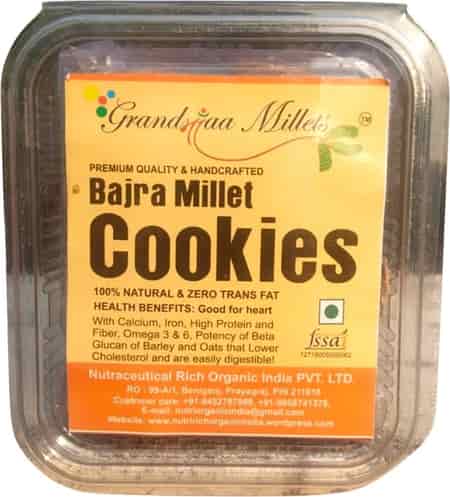

This score rates the ingredient list using our published method and public sources (FSSAI, EFSA, WHO). It is general information, not medical advice, and does not mean the product is unsafe — products sold in India meet FSSAI rules. Recipes change: check the pack in your hand. Brand owner? Write to hello@foodguards.space.